Minimizing Environmental Impact of Garment Label Tags
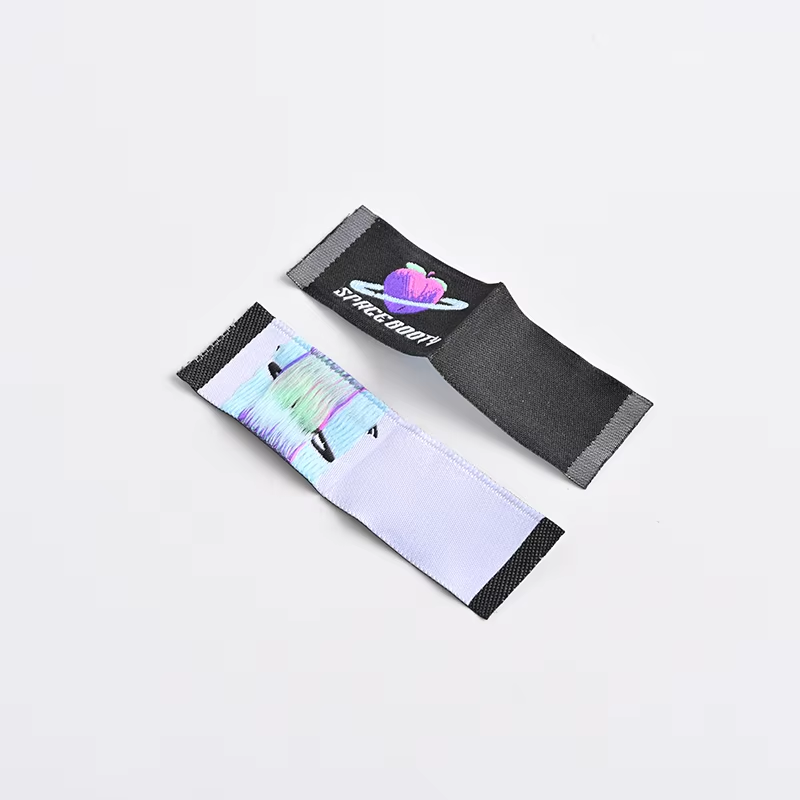
As sustainability becomes increasingly important in the fashion industry, brands are focusing on eco-friendly solutions for embroidered garment labels, garment label tags, and garment fabric labels. These small but essential components often get overlooked in environmental impact assessments, yet they present significant opportunities for reducing waste and improving sustainability.
The Environmental Challenge of Traditional Labels
Conventional garment label tags typically use synthetic materials like polyester or nylon, which are derived from petroleum and take hundreds of years to decompose. The production process for standard garment fabric labels often involves:
-
High water consumption in dyeing processes
-
Chemical treatments that can pollute waterways
-
Non-recyclable material blends
-
Excessive packaging during shipping
Embroidered garment labels, while durable, traditionally use plastic-based threads that contribute to microplastic pollution when garments are washed.
Sustainable Alternatives for Eco-Conscious Brands
1. Organic Material Options
Many brands are switching to:
-
Organic cotton garment label tags (GOTS certified)
-
Hemp-based garment fabric labels
-
Bamboo fiber labels (naturally antimicrobial)
These materials biodegrade naturally and require fewer resources to produce.
2. Recycled Materials
Innovative solutions include:
-
Embroidered garment labels made from recycled polyester (rPET)
-
Labels crafted from post-industrial fabric waste
-
Upcycled thread options for embroidery
3. Water-Based Inks and Dyes
For printed elements on labels:
-
Soy-based inks instead of petroleum-based
-
Natural plant-derived dyes
-
Digital printing technology that reduces water usage
Reducing Waste in Label Production
Smart design choices can significantly minimize environmental impact:
-
Right-sizing labels to use less material without sacrificing readability
-
Multi-functional designs that combine care instructions and branding in one label
-
Minimalist approaches that reduce ink coverage
-
Standardized colors across collections to minimize dye lot changes
The Future of Sustainable Labels
Emerging innovations include:
-
Compostable garment label tags that break down completely
-
Plantable labels embedded with seeds
-
Digital ID tags that eliminate physical labels entirely
-
Waterless embroidery techniques for embroidered garment labels
Implementation Tips for Brands
-
Work with suppliers who have sustainability certifications
-
Conduct lifecycle assessments of your garment fabric labels
-
Educate consumers about proper disposal of labels
-
Consider label-less options where appropriate
-
Optimize shipping to reduce carbon footprint
Conclusion
By rethinking embroidered garment labels, garment label tags, and garment fabric labels through an environmental lens, fashion brands can make meaningful reductions in their ecological footprint. Sustainable labeling solutions not only benefit the planet but also resonate with increasingly eco-conscious consumers.
As technology advances, we can expect even more innovative ways to maintain brand identification while minimizing environmental harm. The journey toward completely sustainable labels is ongoing, but every small change contributes to a greener fashion future.
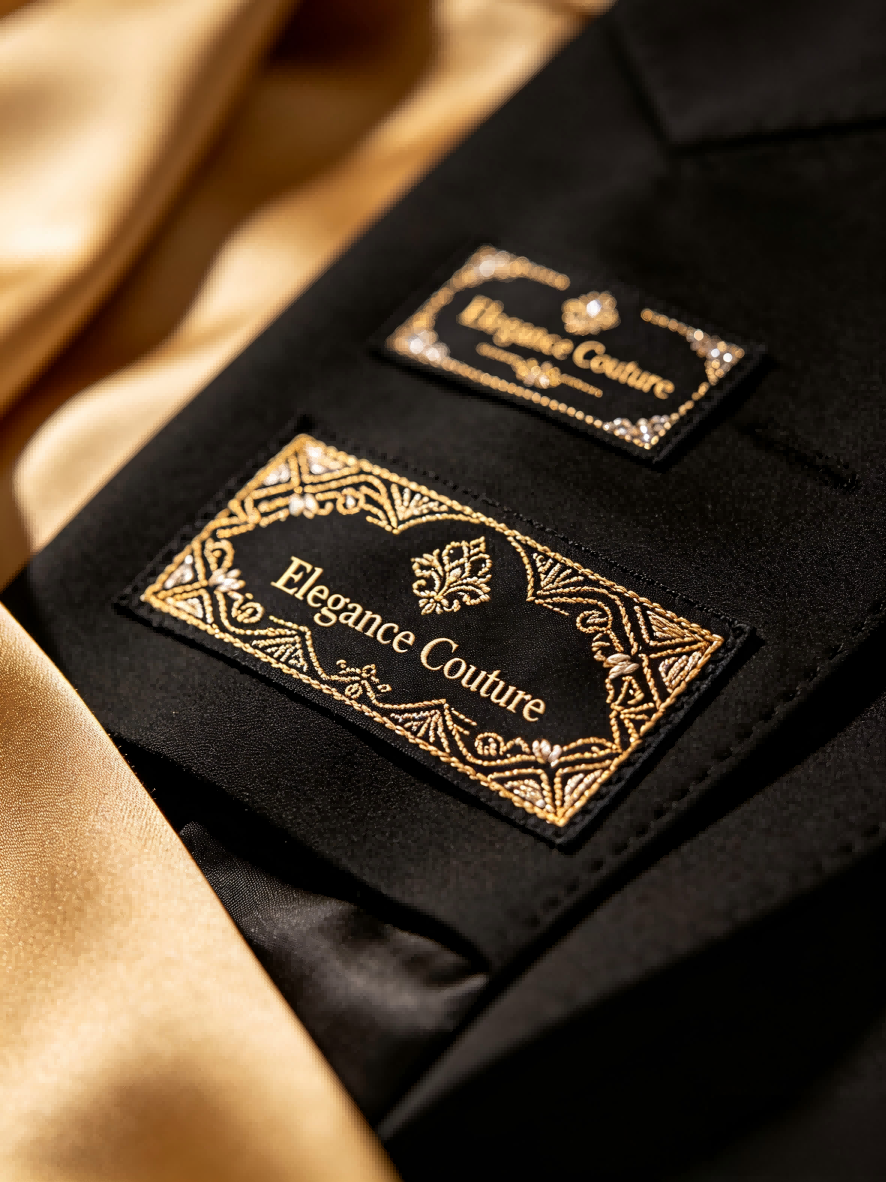
From luxury embroidered garment labels to compliant garment label tags and innovative garment fabric labels, these small components deliver outsized branding impact. Strategic collaboration with designers ensures labels enhance both visual appeal and wearer comfort. As consumer expectations evolve, investing in premium labeling solutions becomes not just an option, but a necessity for brands aiming to stand out.
By mastering the art of label design, fashion brands can transform a functional necessity into a powerful marketing tool that resonates with customers at first touch. Whether launching a new line or refreshing an existing collection, the right garment fabric labels make all the difference in today's competitive marketplace.
Cost-Saving Strategies for Bulk Orders Garment Fabric Labels
Collaborating with Designers on Embroidered Garment Labels