How to Test for Washing Resistance Garment Fabric Labels
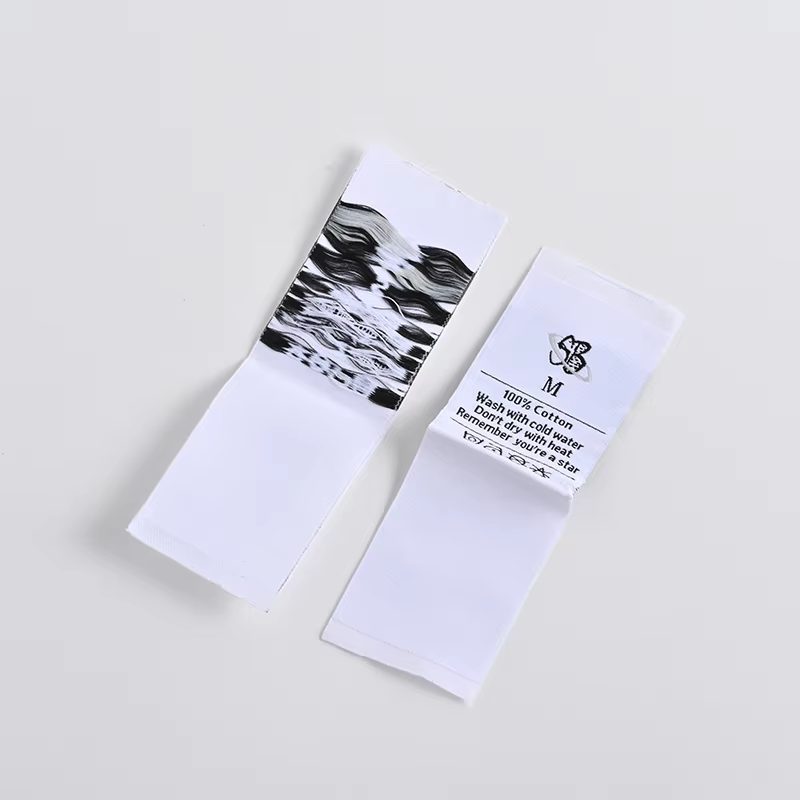
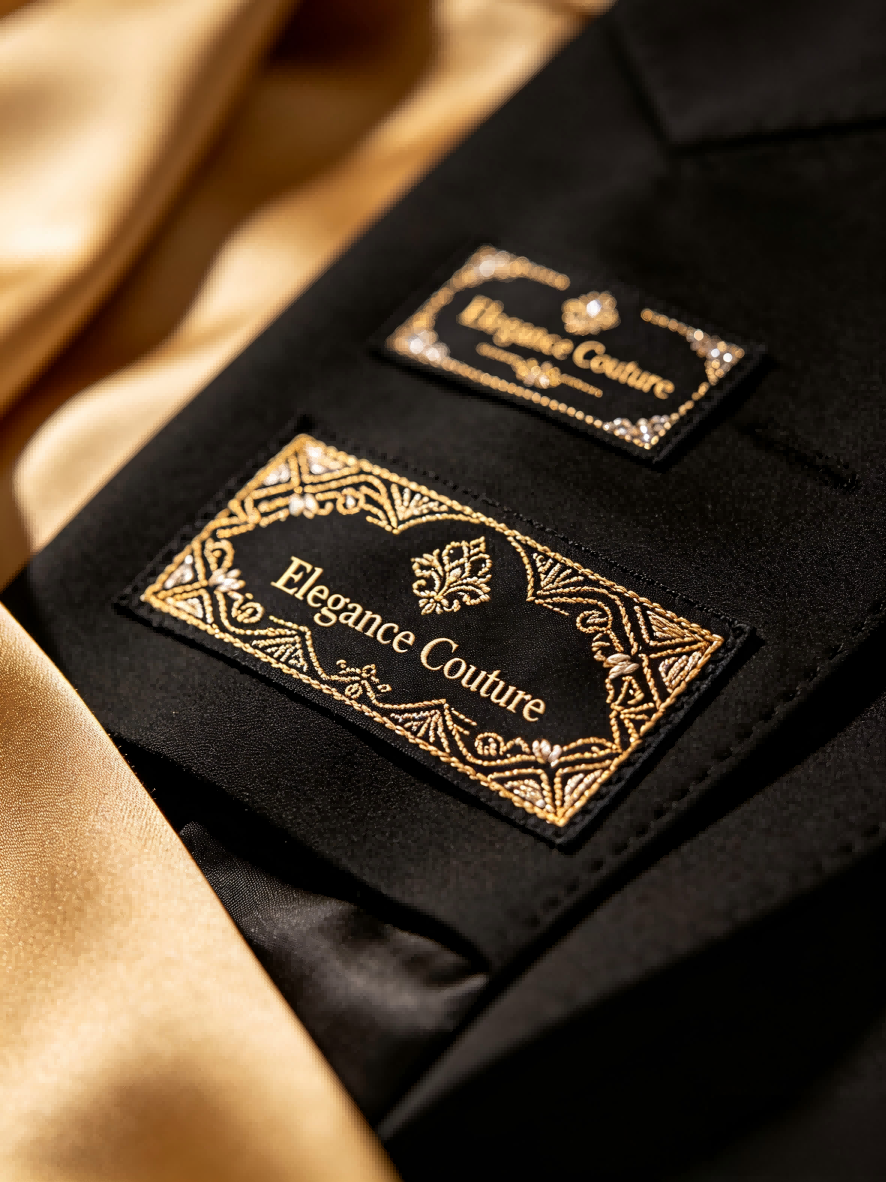
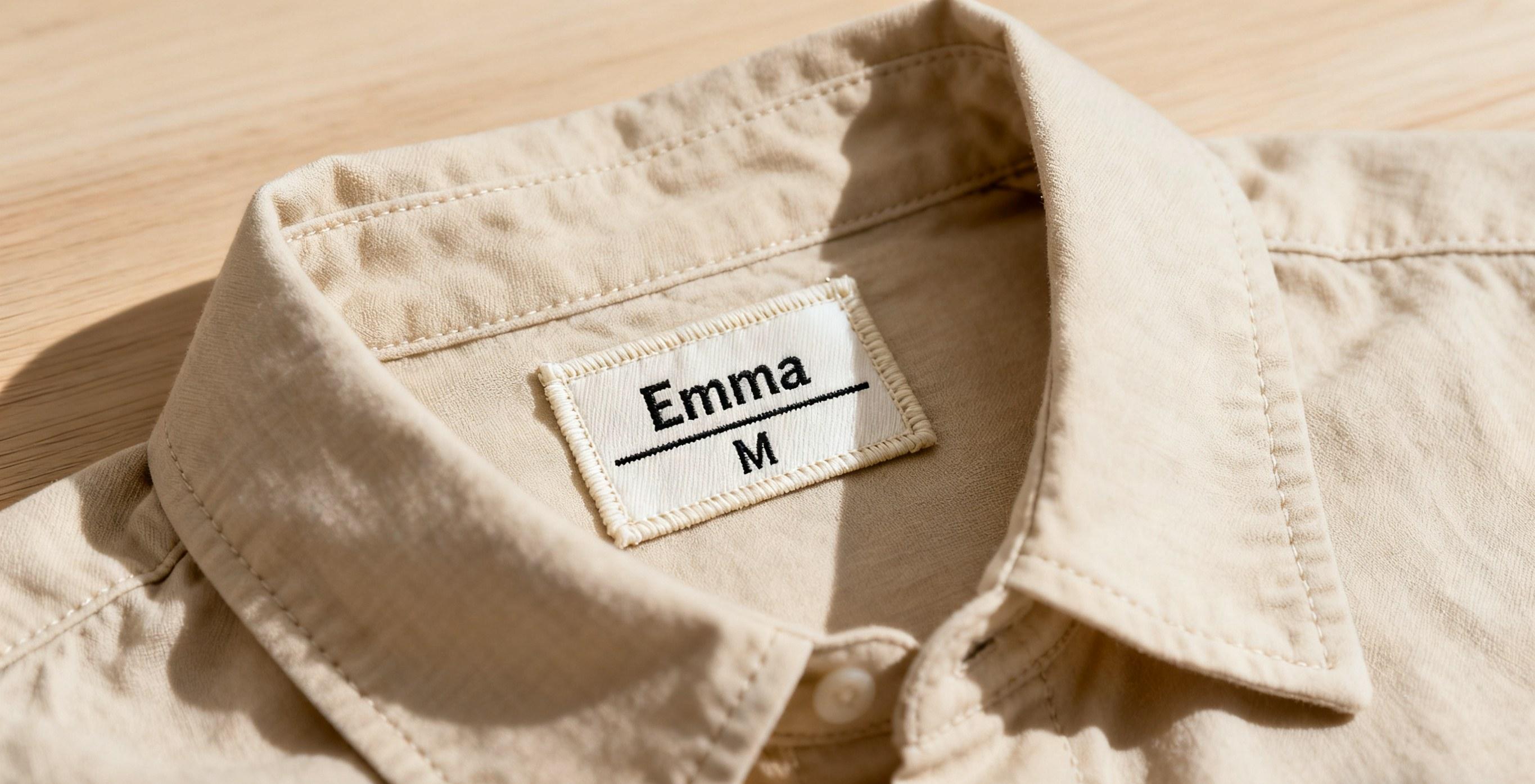
For clothing manufacturers and fashion brands, the durability of embroidered garment labels, garment label tags, and garment fabric labels is crucial for maintaining brand integrity throughout a garment's lifecycle. This guide provides comprehensive testing methods to evaluate washing resistance, ensuring your labels withstand repeated laundering while remaining legible and intact.
Why Washing Resistance Matters
Garment fabric labels must endure:
-
30-50+ commercial washes for workwear
-
Frequent home laundering for everyday apparel
-
Harsh industrial cleaning for healthcare uniforms
Failure points in embroidered garment labels and garment label tags typically appear as:
-
Fading colors and thread disintegration
-
Edge fraying and unraveling stitches
-
Adhesive failure in fused labels
-
Material shrinkage or distortion
Standardized Testing Methods
1. ISO 6330 / AATCC 135 Home Laundering Tests
Procedure:
-
Prepare samples of garment label tags sewn onto base fabric
-
Wash using specified detergent (often ECE Colorfastness Detergent)
-
Repeat cycles at appropriate temperatures (30°C-60°C)
-
Line dry or tumble dry between washes
Evaluation Criteria:
-
Colorfastness (ISO 105-A02 grayscale)
-
Stitch integrity in embroidered garment labels
-
Dimensional stability
2. Accelerated Washing Tests
For rapid results, use:
-
Launder-Ometer testing (AATCC 61): Simulates 5-50 washes in 45 minutes
-
Martindale abrasion testing: Evaluates surface wear resistance
3. Industrial Washing Simulation
Test garment fabric labels against:
-
EN 15797 for institutional laundering
-
ISO 15797 for industrial textile care
-
75°C washes with alkaline detergents
DIY Quality Control Checks
For brands without lab access:
Home Testing Protocol:
-
Stitch samples of embroidered garment labels to fabric swatches
-
Wash with regular laundry at maximum recommended temperature
-
Inspect after 5, 10, 20, and 50 cycles
-
Document changes with high-resolution photos
Key Inspection Points:
-
Thread breakage in satin stitch areas
-
Color migration from label to garment
-
Edge curling on garment label tags
-
Adhesive bleed-through on printed labels
Material-Specific Considerations
For Embroidered Garment Labels:
-
Test different stitch densities (stitches/cm²)
-
Evaluate various backing materials
-
Check bobbin thread durability
For Woven Garment Label Tags:
-
Assess yarn slippage resistance
-
Test colorfastness of dyed threads
-
Measure shrinkage percentages
For Printed Garment Fabric Labels:
-
Evaluate ink adhesion after washing
-
Test for crack formation in flexible inks
-
Check thermal transfer durability
Interpreting Test Results
Create a grading system for garment label tags:
| Cycle Count | Performance Criteria |
|---|---|
| 5 washes | No visible degradation |
| 10 washes | ≤10% color loss |
| 25 washes | Edges intact, text legible |
| 50+ washes | Still functional though faded |
Common Failure Modes and Solutions
Problem: Fraying edges on garment fabric labels
Solution: Use laser-cut edges or ultrasonic sealing
Problem: Thread unraveling in embroidered garment labels
Solution: Increase stitch density or use bonded threads
Problem: Adhesive failure in iron-on labels
Solution: Switch to sew-in garment label tags or better adhesives
Advanced Testing Technologies
-
Spectrophotometry for precise color measurement
-
Microscopic stitch analysis for embroidery integrity
-
Tensile testing for seam strength
-
Chemical analysis of degraded materials
Industry Standards Compliance
Ensure your garment fabric labels meet:
-
OEKO-TEX® Standard 100 for harmful substances
-
BS 7907 for flammability resistance
-
ISO 3758 care labeling requirements
Conclusion
Rigorous washing resistance testing for embroidered garment labels, garment label tags, and garment fabric labels protects your brand's reputation and reduces product returns. By implementing these testing protocols—whether through certified labs or in-house methods—you ensure your labels remain legible and attractive throughout the garment's usable life.
Remember that label durability directly impacts customer perception of your brand's quality. Investing in proper testing ultimately saves costs by preventing warranty claims and preserving brand equity in competitive markets.
For premium brands, consider going beyond basic requirements—labels that maintain perfection after 50+ washes become silent testimonials to your commitment to excellence.
Collaborating with Designers on Embroidered Garment Labels
Leveraging Labels for Social Media Buzz Garment Label Tags