The Psychology of Color in Label Design Garment Fabric Labels
Color is a silent storyteller in apparel branding, shaping emotions, perceptions, and purchasing decisions. For embroidered garment labels, garment label tags, and garment fabric labels, strategic color choices can elevate brand identity, convey sustainability, and even influence sizing perceptions. This guide explores how to harness color psychology to create labels that resonate deeply with your audience.
1. Why Color Matters in Label Design
Studies show color accounts for 62% of a product’s first impression (Institute for Color Research). For labels:
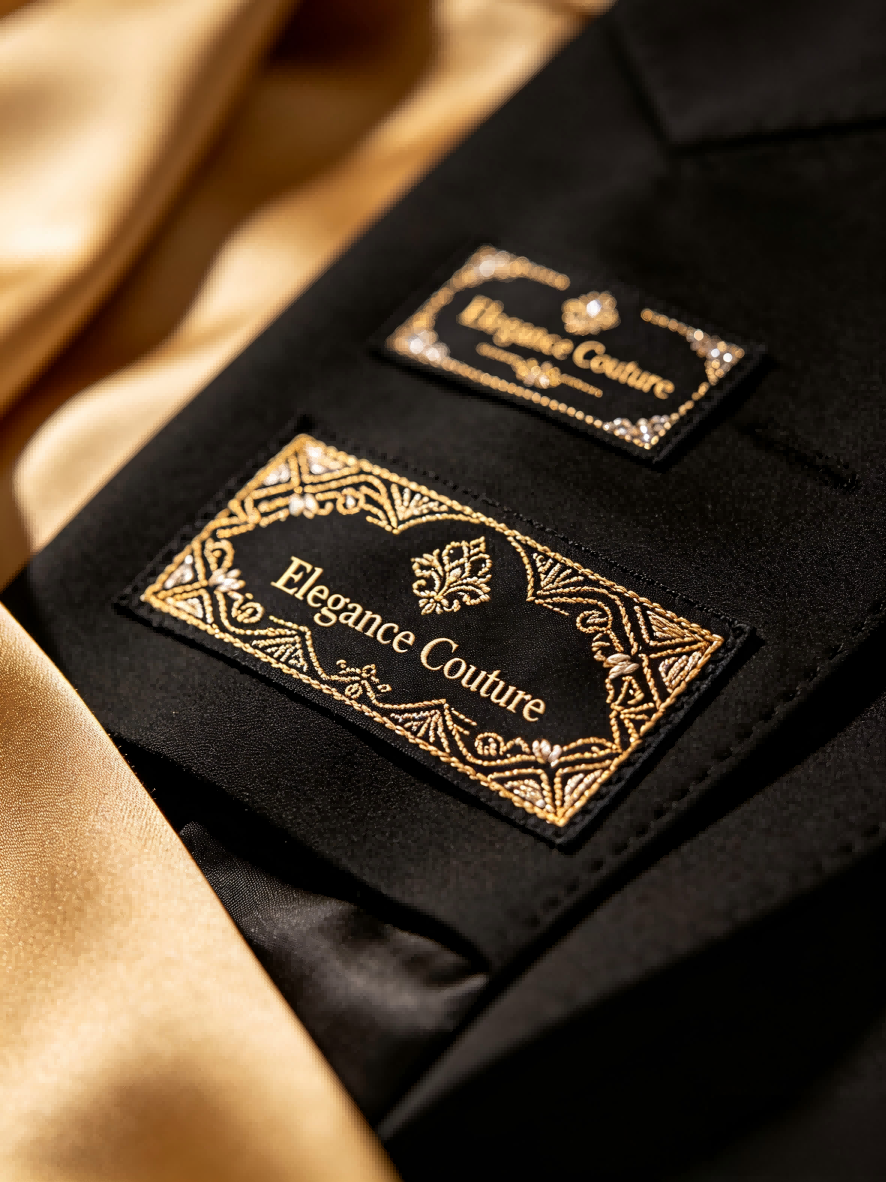
- Embroidered Garment Labels: Gold threads signal luxury; green implies eco-friendliness.
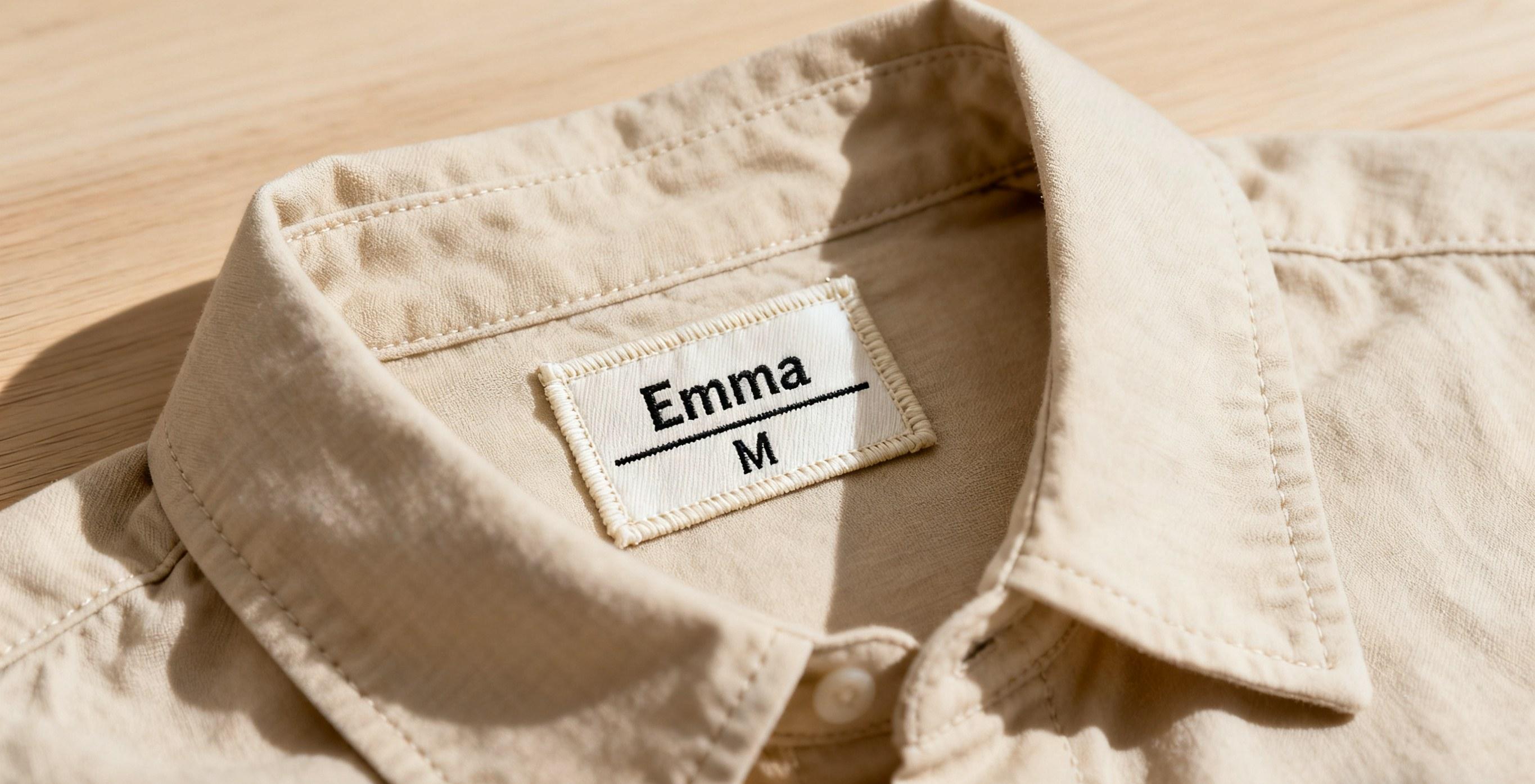
- Garment Label Tags: High-contrast colors (black on white) improve care instruction readability.
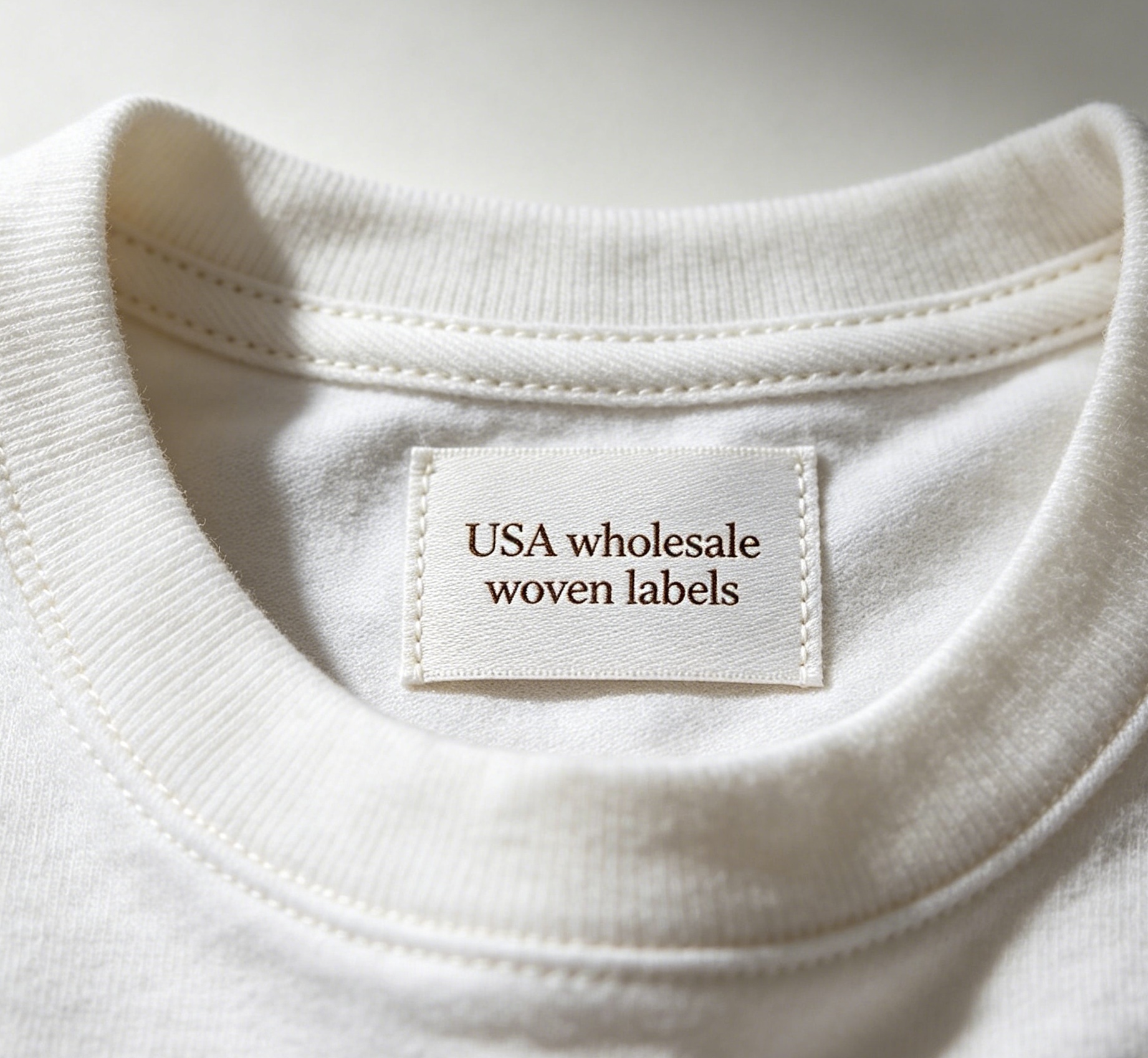
- Garment Fabric Labels: Soft pastels align with “clean beauty” aesthetics in loungewear.
2. Color Psychology for Embroidered Garment Labels
A. Prestige & Trust
- Gold & Navy: Classic combinations for heritage brands (e.g., Ralph Lauren’s polo logos).
- Deep Red: Evokes craftsmanship and tradition in artisanal wear.
B. Modernity & Innovation
- Electric Blue: Tech-forward activewear brands like Gymshark use this for energy.
- Metallic Silver: Suggests innovation in performance gear labels.
C. Sustainability
- Earthy Greens & Browns: Patagonia’s recycled embroidered garment labels use moss green to reinforce eco-values.
Stat: Brands using green in labels see 22% higher perceived sustainability (Ecocult, 2023).
3. Garment Label Tags: Balancing Function and Emotion
A. Legibility-Driven Choices
- Black on White: 98% clarity for care instructions on garment label tags.
- Yellow Highlights: Draw attention to size charts without overwhelming.
B. Demographic Targeting
- Millennial Pink: Feminine, approachable tags for lingerie brands like ThirdLove.
- Bold Neon: Gen Z-skewed streetwear labels (e.g., Supreme) use neon orange for urgency.
C. Cultural Nuances
- Red in Asia: Symbolizes luck; ideal for festivalwear garment label tags.
- White in Europe: Associated with purity; common in bridal labels.
4. Garment Fabric Labels: Subconscious Influence
A. Texture-Color Synergy
- Soft Peach on Cotton: Enhances “comfort” messaging in loungewear.
- Matte Black on Denim: Urban, rugged appeal for jeans.
B. Wash Cycle Considerations
- Dark Blues & Grays: Camouflage fading on garment fabric labels after 50+ washes.
- UV-Resistant Inks: Vibrant turquoise for swimwear labels exposed to sunlight.
C. Sensory Branding
- Calming Lavender: Sleepwear brands use this on garment fabric labels to trigger relaxation.
- Energizing Yellow: Yoga brands like Alo pair it with breathable mesh labels.
5. Cross-Label Color Consistency
A cohesive palette across all label types reinforces brand recognition:
- Luxury Example: Gucci’s embroidered garment labels (gold), garment label tags (cream), and garment fabric labels (burgundy) echo its opulent aesthetic.
- Eco-Brand Example: Reformation uses sage green across tags, embroidery, and fabric labels to unify its sustainability narrative.
Pro Tip: Use Pantone Color Bridge guides to ensure consistency across materials.
6. Avoiding Common Color Mistakes
- Overstimulation: Neon embroidery on embroidered garment labels distracts from minimalist designs.
- Cultural Missteps: White tags on bridal wear in Asian markets (associated with mourning).
- Wash-Fading Mismatch: Using light pink threads on black denim labels that degrade unevenly.
7. Future Trends: Color Tech Innovations
- Chameleon Threads: Thermochromic threads in embroidered garment labels change color with body heat.
- Bio-Luminescent Inks: Algae-derived pigments glow subtly on garment fabric labels.
- AI-Generated Palettes: Tools like Adobe Color analyze social trends to recommend label colors.
Conclusion: Painting Perceptions with Purpose
Embroidered garment labels, garment label tags, and garment fabric labels are canvases for emotional storytelling. Whether invoking trust through gold embroidery, calm through lavender fabric tags, or eco-consciousness through earthy tones, every hue serves a strategic purpose.
As artist Pablo Picasso noted, “Colors, like features, follow the changes of the emotions.” Let your labels mirror the emotions you want to evoke.
Garment Fabric Labels Psychology of Color in Label Design
Influencing Consumer Purchase Decisions Garment Label Tags