Influencing Consumer Purchase Decisions Garment Label Tags
In the crowded apparel market, garment label tags, embroidered garment labels, and garment fabric labels play a surprisingly pivotal role in driving purchasing behavior. These small yet powerful elements shape perceptions of quality, sustainability, and brand authenticity, directly impacting what consumers add to their carts. Here’s how smart label design can turn casual browsers into loyal customers.
1. First Impressions: Labels as Silent Salespeople
Before a customer touches a garment, they notice its labels:
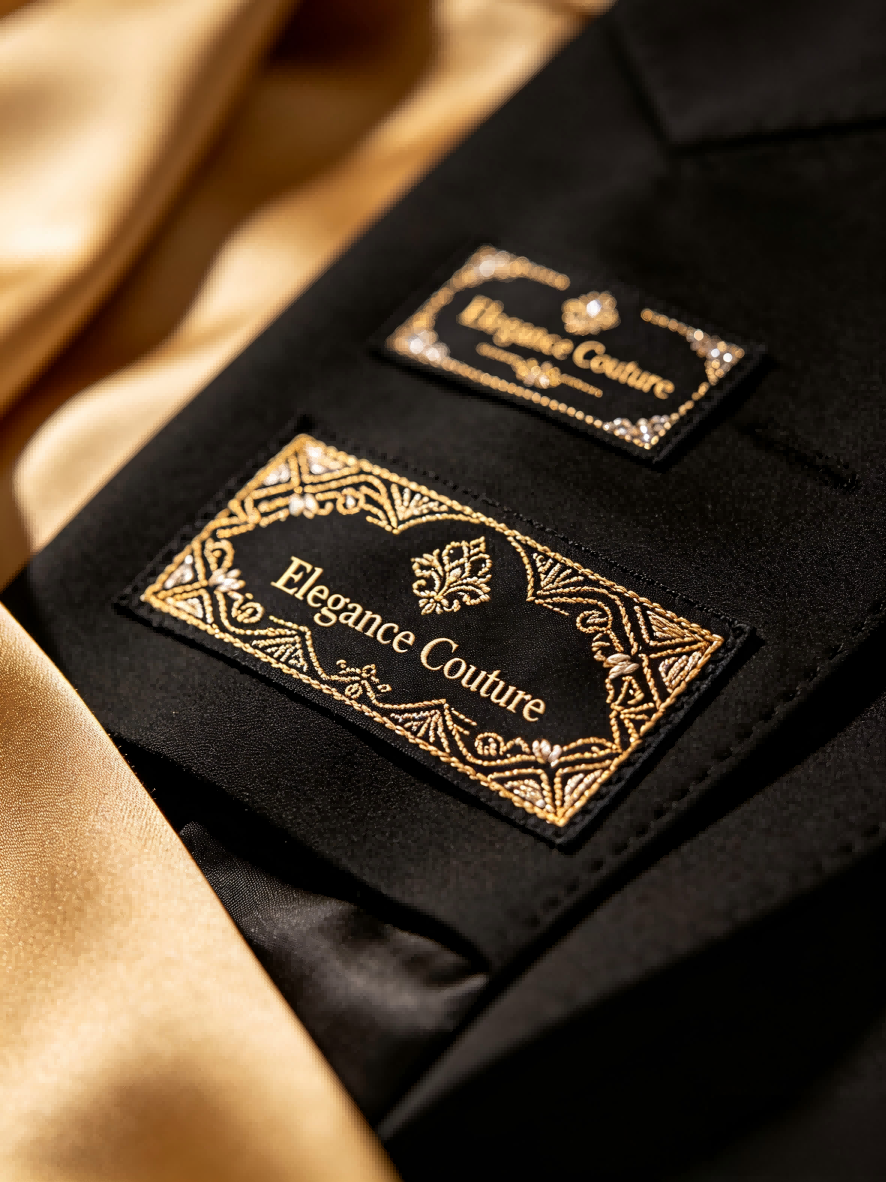
- Embroidered Garment Labels: Convey luxury and craftsmanship, justifying premium pricing.
- Garment Label Tags: Clean, informative tags signal attention to detail (e.g., size accuracy, care clarity).
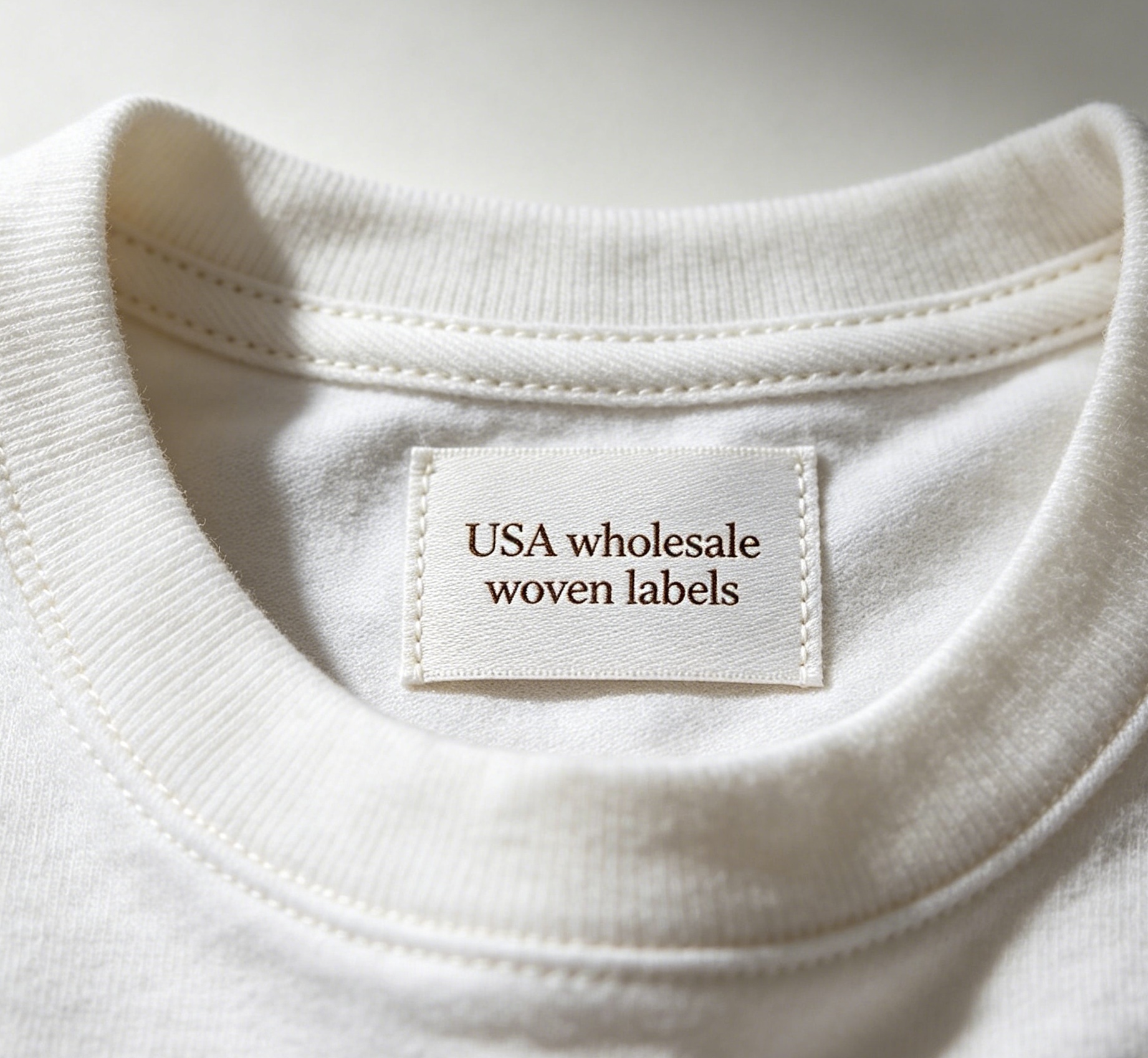
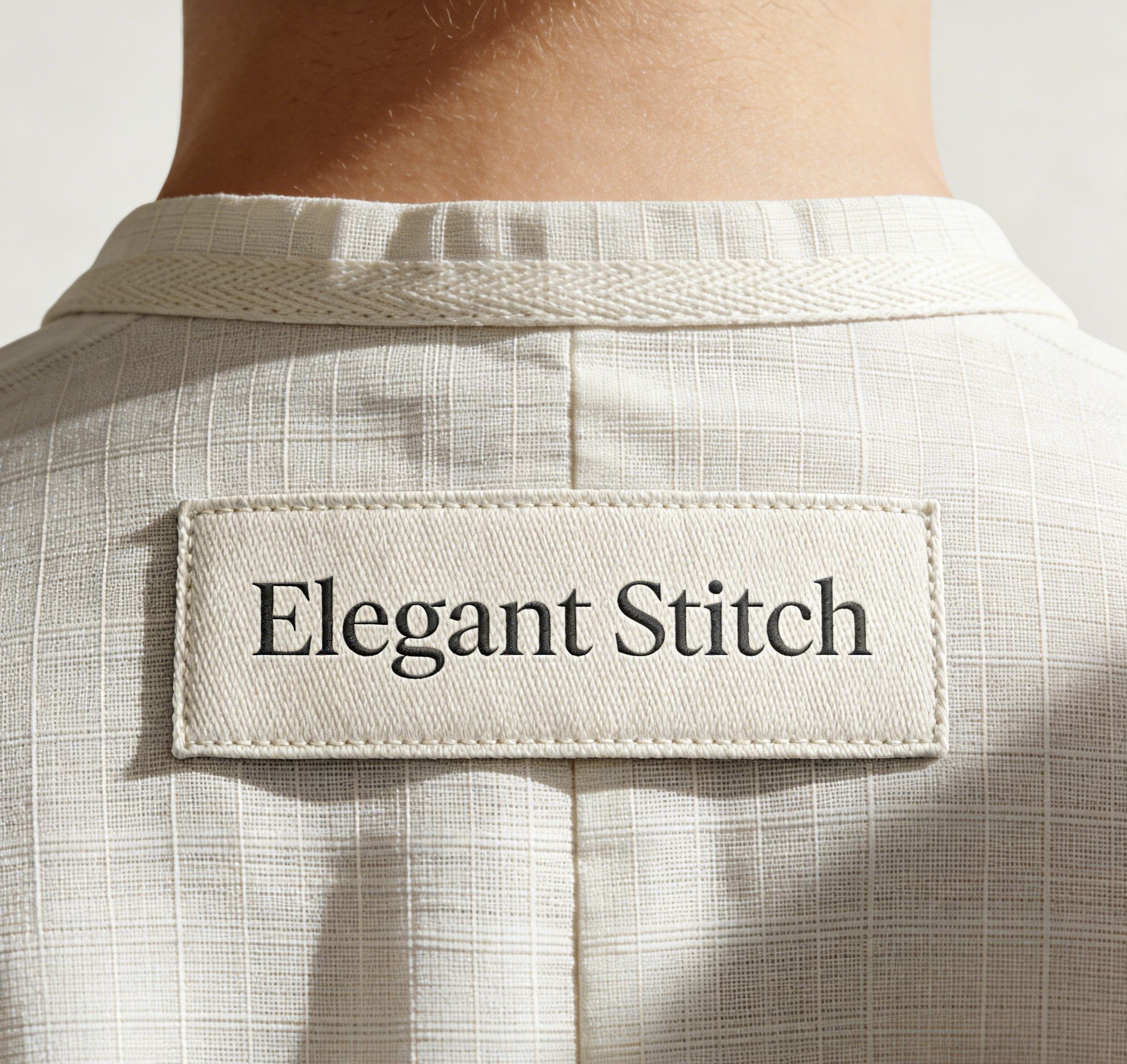
- Garment Fabric Labels: Soft, durable labels imply garment longevity.
Stat: 68% of shoppers inspect labels before purchasing, with 42% associating high-quality embroidered garment labels with overall product excellence (Nielsen, 2023).
2. The Psychology of Label Design
A. Color and Typography
- Gold Embroidery: Triggers perceptions of luxury in embroidered garment labels.
- Sans-Serif Fonts: Modern, minimalist garment label tags appeal to Gen Z.
- Earthy Tones: Organic hues on garment fabric labels reinforce sustainability claims.
B. Tactile Experience
- Silk-Satin Labels: A smooth touch elevates lingerie’s perceived value.
- Raised Embroidery: 3D textures in embroidered garment labels create memorability.
C. Information Hierarchy
- Priority Order: Brand logo (top) → size (middle) → care instructions (bottom) on garment label tags.
- Symbol Overload: Limit care symbols to 5–7; excess confuses buyers.
3. Sustainability: The Label-Driven Deciding Factor
Eco-conscious consumers scrutinize labels for green credentials:
- Recycled Materials: Garment fabric labels made from post-consumer plastics boost trust.
- Plantable Tags: Seed paper garment label tags (e.g., Pangaia’s wildflower tags) drive 25% higher conversions.
- Certifications: GOTS or OEKO-TEX logos on embroidered garment labels validate ethical claims.
Case Study: Patagonia’s “Don’t Buy This Jacket” campaign used transparent garment fabric labels to highlight recycling programs, increasing sales by 30% among eco-buyers.
4. Combatting Counterfeits: Trust Through Technology
Authenticity-focused labels reduce purchase hesitancy:
- NFC-Enabled Tags: Smart garment label tags let shoppers verify products via smartphone.
- Micro-Embroidery: Hidden threads in embroidered garment labels detectable under UV light.
- Blockchain Tracking: QR codes on garment fabric labels trace supply chains.
Stat: 57% of luxury shoppers prioritize items with anti-counterfeit labels (Luxury Daily, 2024).
5. Demographic-Specific Strategies
A. Millennials & Gen Z
- Instagrammable Tags: Metallic foil garment label tags for unboxing videos.
- Social Proof: QR codes linking to user reviews on garment fabric labels.
B. Older Shoppers
- Large Fonts: 12pt+ text on embroidered garment labels for easy reading.
- Simplified Care: Icon-free wash instructions on garment label tags.
6. Price Justification: Labels as Value Amplifiers
Premium labels validate higher price points:
- Hand-Stitched Embroidery: Artisanal embroidered garment labels signal craftsmanship.
- Custom Woven Tags: Thick cotton garment fabric labels with branded selvage edges.
- Holographic Elements: Foil-stamped garment label tags for limited editions.
Example: Italian brand Brunello Cucinelli uses hand-rolled embroidered garment labels, enabling a 20% price premium over machine-made alternatives.
7. The Unboxing Effect: Labels as Shareable Content
Post-purchase label design fuels social media buzz:
- Hidden Messages: UV-reactive ink on garment label tags encourages “Easter egg” posts.
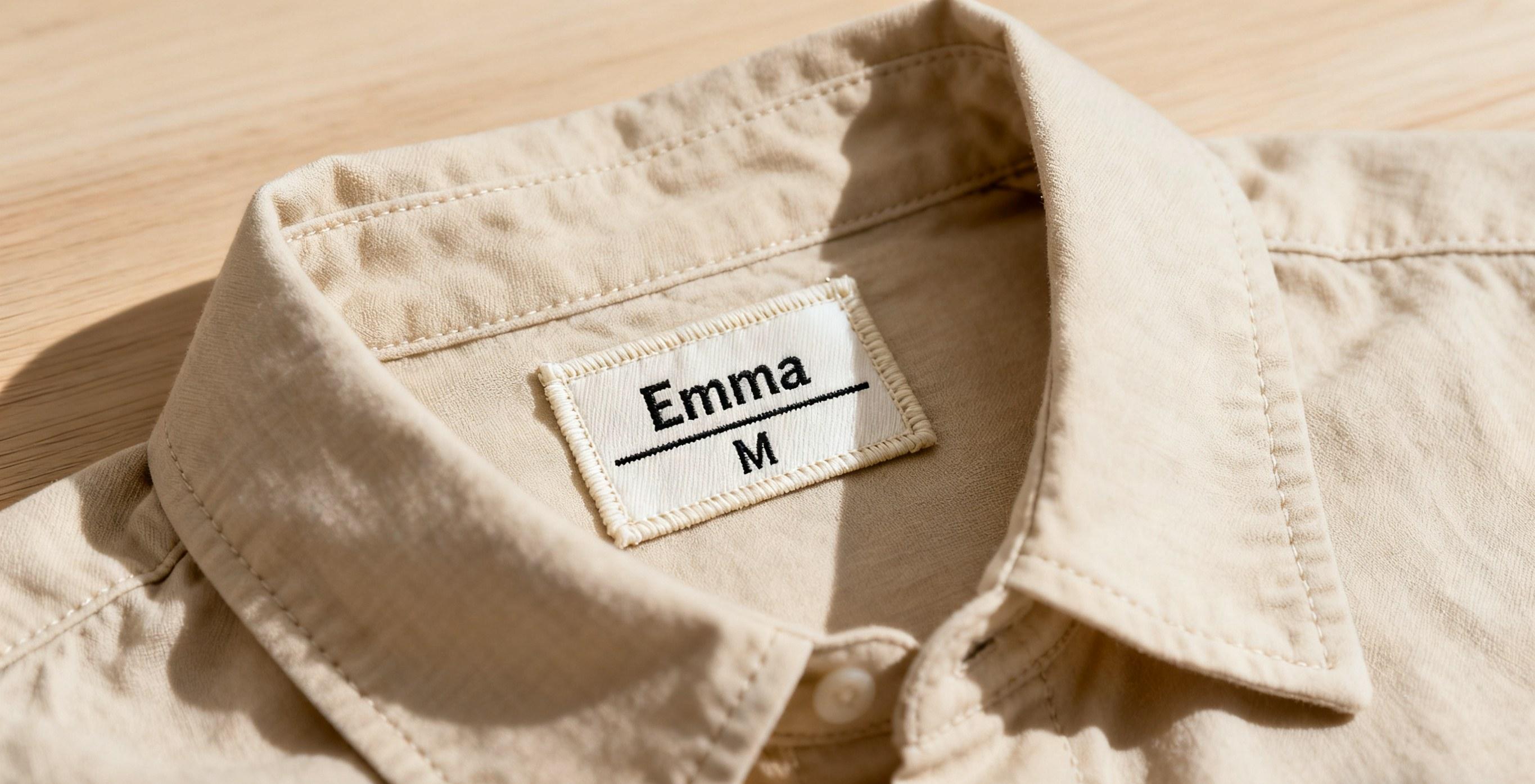
- Personalized Embroidery: Names or dates stitched into embroidered garment labels drive #OOTD shares.
- Eco-Storytelling: Plantable garment fabric labels inspire unboxing videos tracking seed growth.
Conclusion: Stitching Confidence into Every Purchase
Garment label tags, embroidered garment labels, and garment fabric labels are far more than logistical necessities—they’re strategic tools for building trust, justifying value, and sparking advocacy. In an era where 74% of consumers cite transparency as a key purchase driver (Edelman, 2024), labels that communicate quality and ethics become decisive competitive advantages.
As retail expert Paco Underhill observed, “The best brands tell stories that turn products into heirlooms.” Let your labels tell a story worth buying into.
The Psychology of Color in Label Design Garment Fabric Labels
Embroidered Garment Labels: Repairing and Refreshing Old Labels