Matching Labels to Fabric Types Garment Fabric Labels
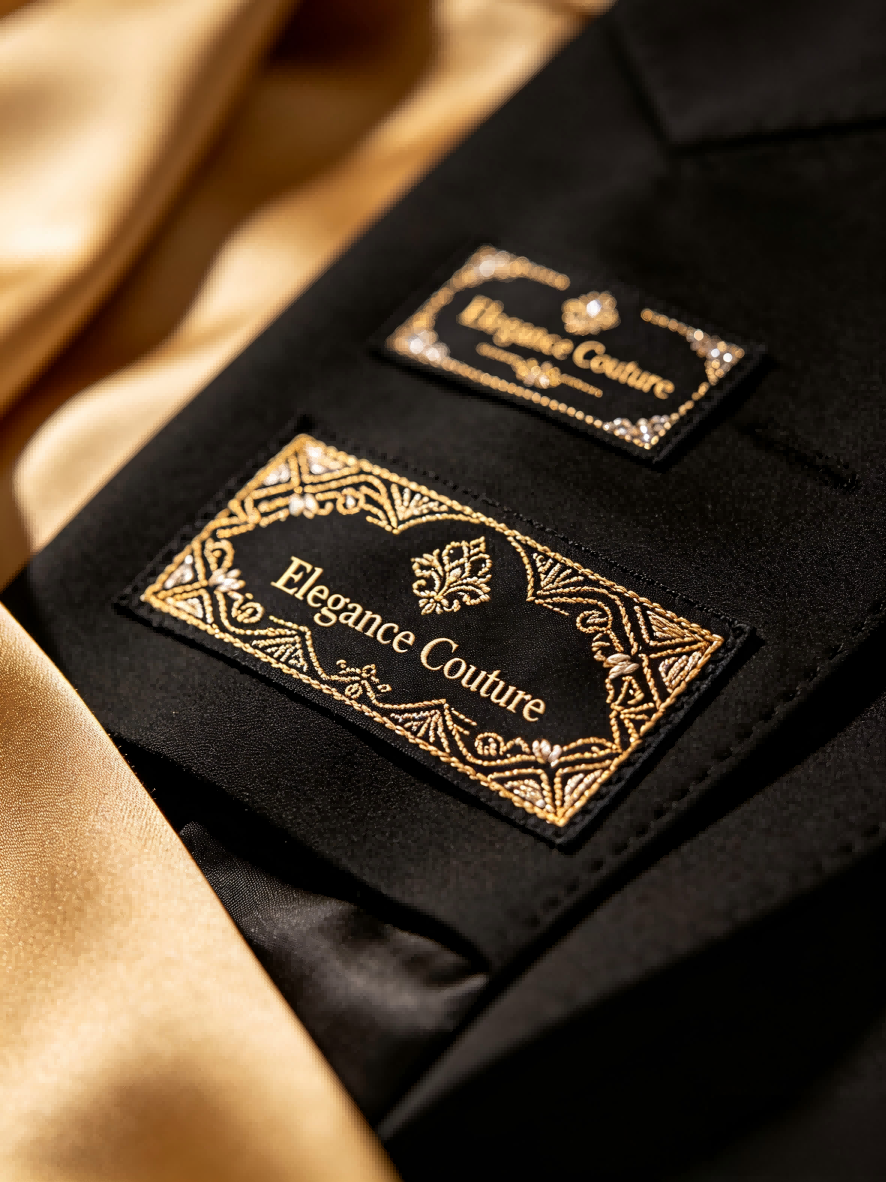
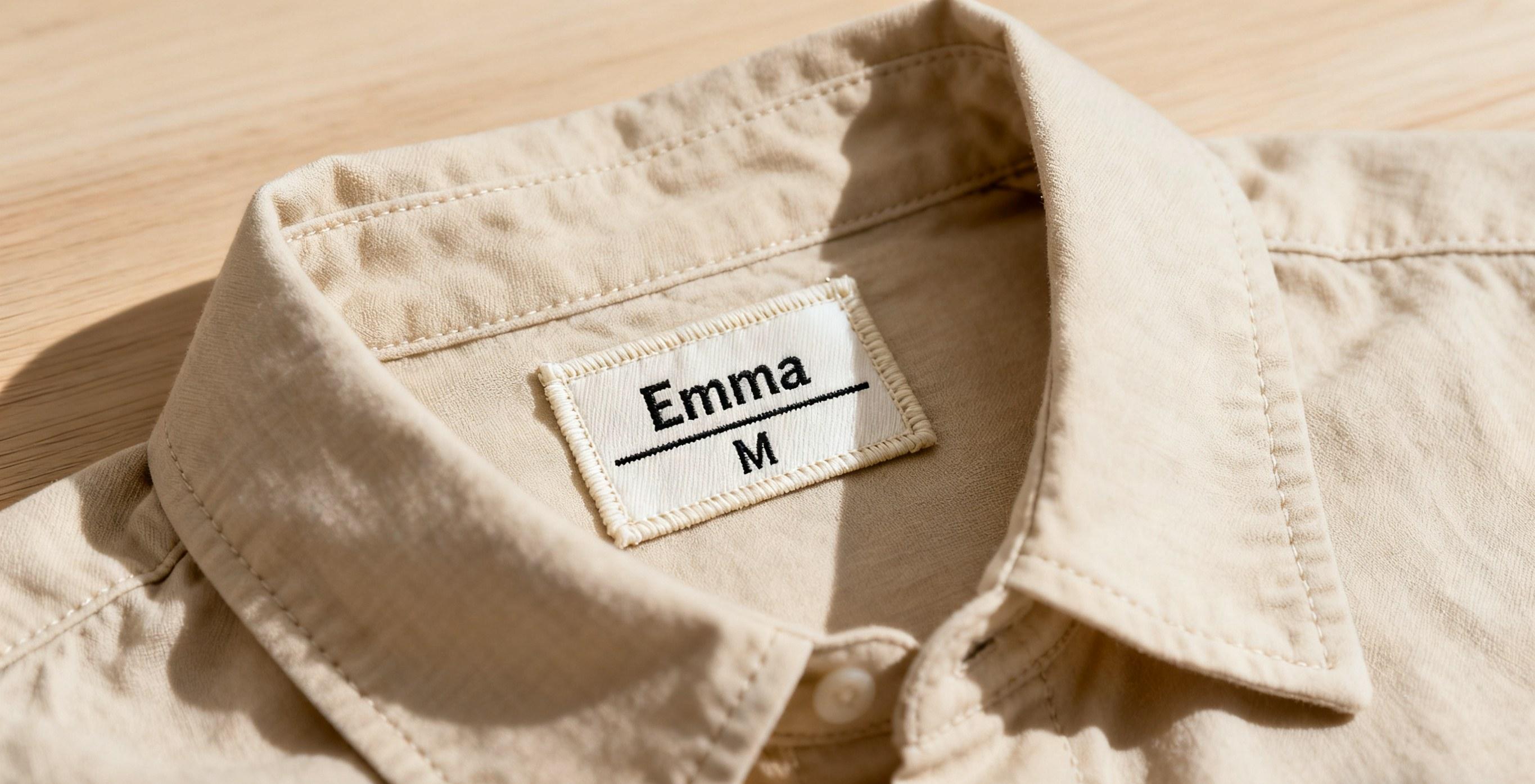
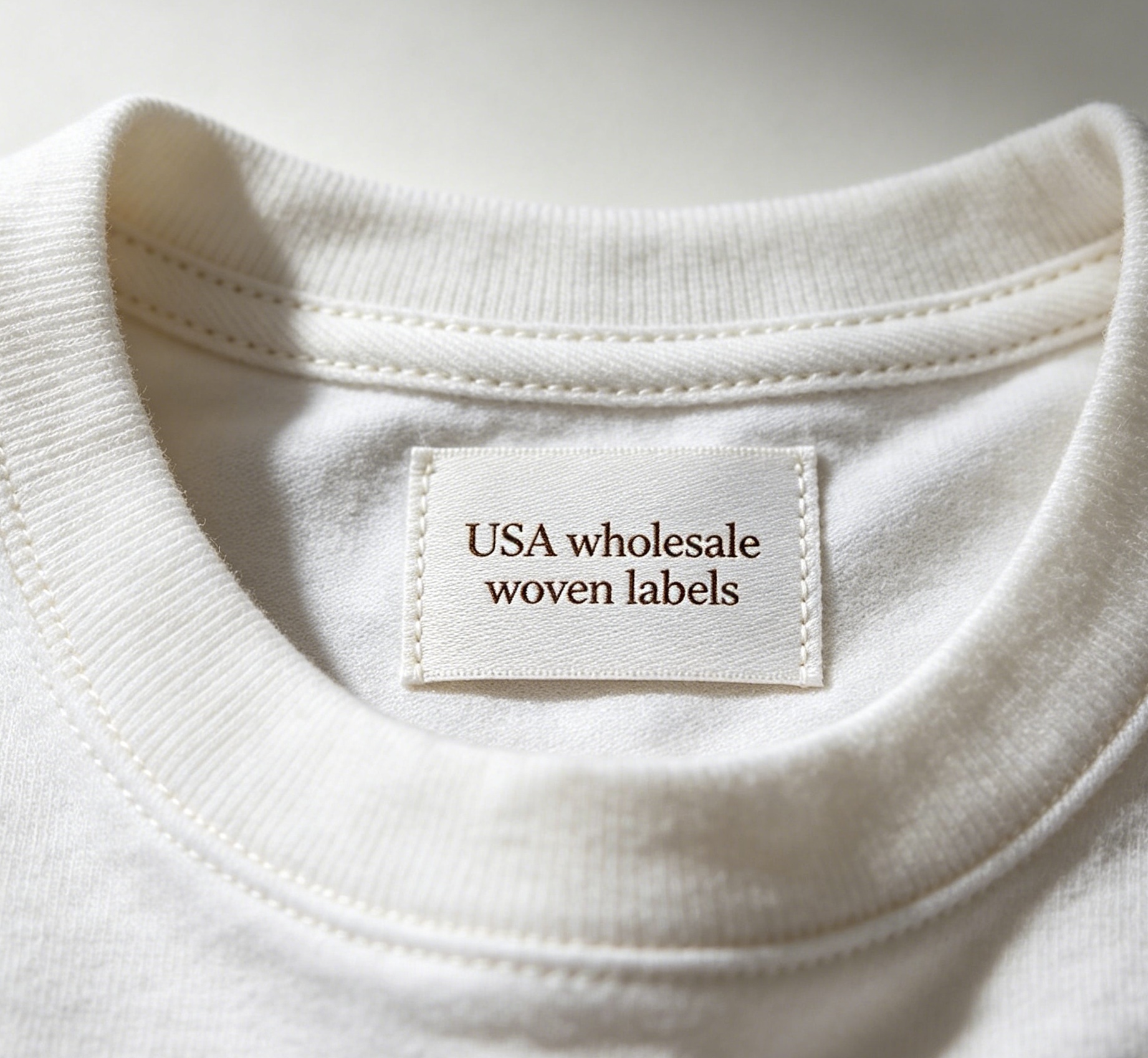
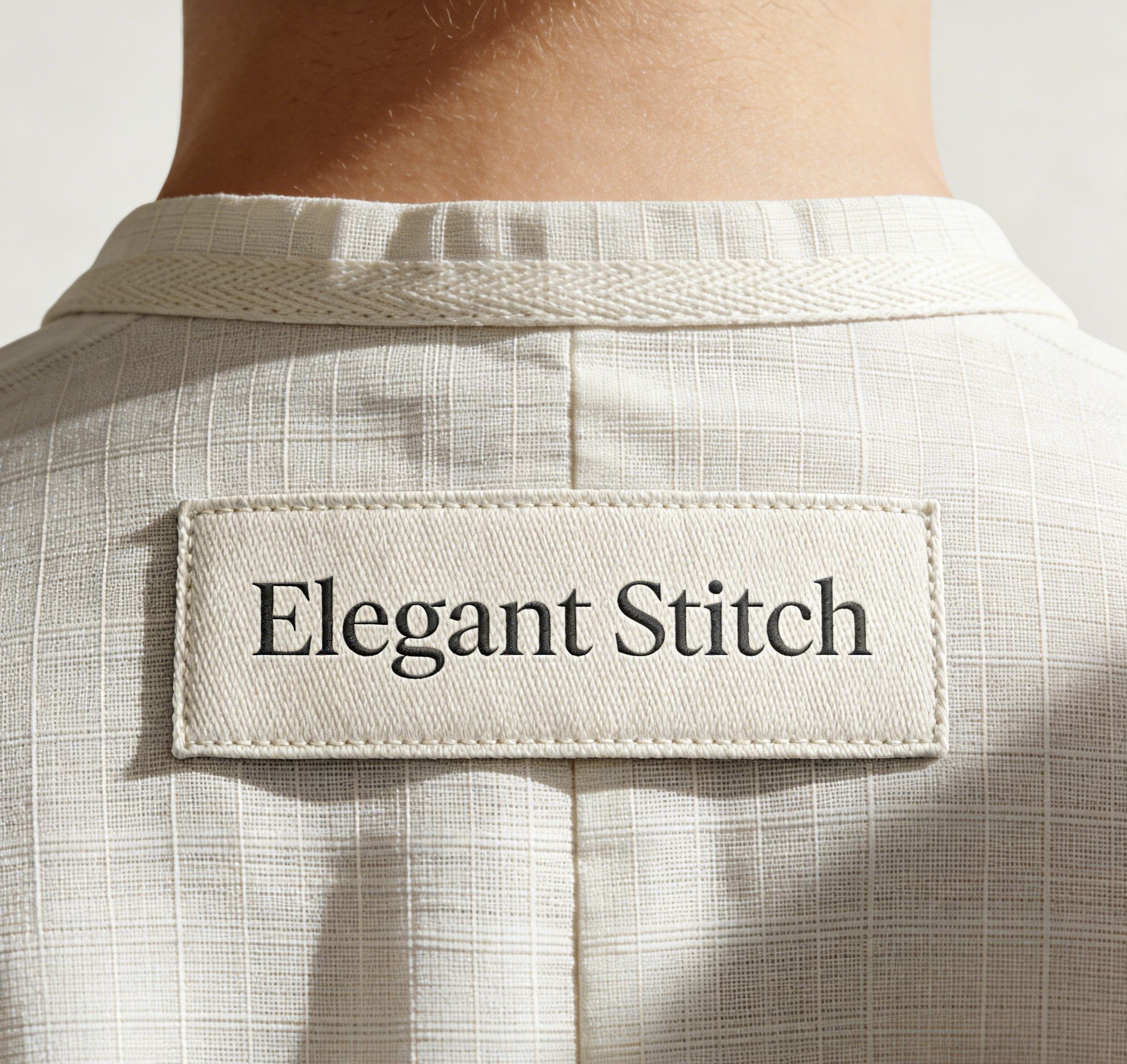
In the apparel industry, the harmony between fabric and labels is crucial for both aesthetics and functionality. Embroidered garment labels, garment label tags, and garment fabric labels must align with the texture, weight, and purpose of the fabric to ensure durability, comfort, and brand consistency. This guide explores how to pair labels with common fabric types, ensuring your garments look polished and perform flawlessly.
1. Cotton: Softness Meets Practicality
Cotton’s breathability and versatility demand labels that prioritize comfort:
- Embroidered Garment Labels: Opt for soft, flat-stitched designs (e.g., satin stitch) on lightweight cotton to avoid skin irritation.
- Garment Fabric Labels: Use woven cotton or organic labels with a soft finish for care tags.
- Garment Label Tags: Attach removable size tags with eco-friendly adhesives to reduce bulk.
Pro Tip: Pre-wash cotton fabric and labels together to test shrinkage compatibility.
Case Study: Everlane uses OEKO-TEX-certified cotton garment fabric labels on its organic tees, reducing post-wash stiffness by 40%.
2. Synthetic Fabrics (Polyester, Nylon): Durability First
Synthetic fabrics like polyester and nylon require labels that withstand high heat and friction:
- Embroidered Garment Labels: Use high-density polyester threads (120D) to resist abrasion in activewear.
- Garment Label Tags: Sublimate or screen-print care instructions directly onto synthetic garment fabric labels for fade-proof longevity.
- Heat-Sealed Tags: Replace stitched labels with ultrasonic-cut tags for seamless integration into performance gear.
Stat: Sublimated labels on polyester show 90% less fading after 50 washes vs. traditional prints (Textile World, 2023).
3. Silk & Delicate Fabrics: Elegance Without Compromise
Silk, chiffon, and other delicate fabrics need lightweight, non-invasive labels:
- Embroidered Garment Labels: Choose fine silk threads and small dimensions (1x2 cm) for discreet branding on lingerie.
- Garment Fabric Labels: Opt for silk-satin or chiffon labels dyed to match the garment’s hue.
- Tagless Solutions: Replace traditional garment label tags with heat-transferred care instructions to preserve drape.
Pro Tip: Avoid rough stabilizers in embroidery; use water-soluble backing for delicate fabrics.
4. Knits & Stretch Fabrics (Spandex, Lycra): Flexibility is Key
Stretchy fabrics demand labels that move with the garment:
- Embroidered Garment Labels: Use stretchable silicone backing or cover-stitch techniques to prevent puckering.
- Garment Label Tags: Laser-cut recycled polyester tags with elastic loops for sports bras and leggings.
- Garment Fabric Labels: Print wash instructions on elastic ribbing using flexible ink.
Case Study: Lululemon’s laser-cut garment fabric labels on Align leggings reduce irritation complaints by 60%.
5. Denim & Heavyweight Fabrics: Rugged Reliability
Durable fabrics like denim and canvas require labels built to last:
- Embroidered Garment Labels: Thick leather patches or bar-tack reinforced stitching for jeans.
- Garment Label Tags: Rivet or chain-stitch size tags to withstand industrial laundering.
- Garment Fabric Labels: Laser-etch care instructions onto denim for a vintage, no-fade look.
Stat: 78% of denim brands use reinforced embroidered garment labels to reduce replacements (Denim Journal, 2024).
6. Sustainable Fabrics (Hemp, Bamboo): Eco-Conscious Pairings
Eco-friendly fabrics need labels that align with their green ethos:
- Embroidered Garment Labels: Organic cotton or hemp threads with GOTS-certified dyes.
- Garment Fabric Labels: Compostable labels made from banana fiber or algae-based materials.
- Garment Label Tags: Seed paper tags embedded with wildflower seeds for plantable packaging.
Example: Patagonia pairs hemp-blend fabrics with recycled polyester garment label tags to maintain circularity.
7. Common Mistakes to Avoid
- Mismatched Flexibility: Rigid labels on stretch fabrics cause tearing.
- Color Bleeding: Dark threads on light fabrics without proper underlay.
- Over-Engineering: Complex embroidery on delicate silk increases production costs by 25%.
Conclusion: Crafting Cohesive Garments
Embroidered garment labels, garment label tags, and garment fabric labels are not afterthoughts—they’re integral to a garment’s identity. By thoughtfully matching labels to fabric types, brands enhance wearability, reduce waste, and build trust through attention to detail.
As designer Stella McCartney advocates, “Luxury is about craftsmanship and respecting materials.” Let your labels reflect that respect.
Embroidered Garment Labels: Repairing and Refreshing Old Labels
A Guide to Custom Printing Techniques for Garment Label Tags