Waterproof Garment Fabric Labels: Printing Techniques Explained
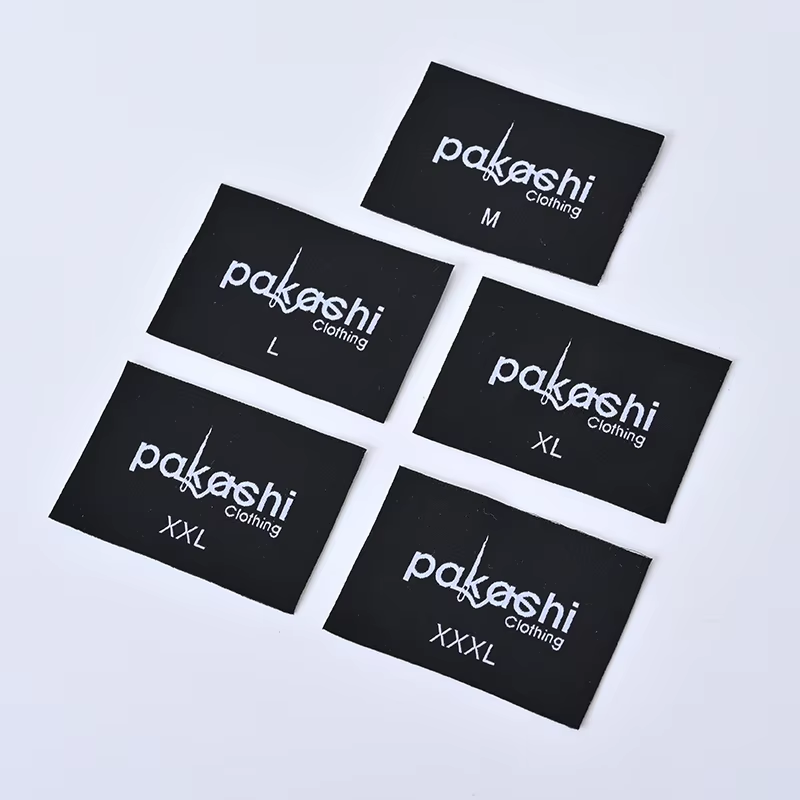
In the world of performance apparel and outdoor gear, garment fabric labels must withstand moisture, friction, and extreme conditions. Whether crafting woven garment labels for activewear or durable garment label printing for swimwear, understanding waterproofing techniques ensures labels survive sweat, rain, and repeated washes. This guide explores materials, printing methods, and best practices to create resilient labels while optimizing SEO through strategic keyword integration.
1. The Importance of Waterproof Labels
Waterproof garment fabric labels and woven garment labels are critical for durability in demanding environments. For performance apparel like sportswear or outdoor gear, labels face constant exposure to moisture and friction. Medical scrubs and swimwear also rely on waterproof garment label printing to maintain legibility after sterilization or saltwater exposure. A 2024 report by the Outdoor Industry Association found that 70% of outdoor brands now prioritize waterproof labels to enhance product longevity and consumer trust.
2. Waterproof Materials for Labels
Choosing the right materials is the foundation of durability:
- Woven Garment Labels: Polyester threads are naturally hydrophobic and fade-resistant. Silicone-coated edges prevent fraying, while TPU (thermoplastic polyurethane) backing adds a waterproof layer.
- Garment Fabric Labels: Nylon tape offers quick-drying durability, while laser-cut felt provides a soft, water-repellent option. Recycled PET (rPET) is a popular eco-friendly choice for synthetic labels.
- Garment Label Printing Substrates: Tyvek®—a tear-proof, waterproof synthetic paper—is ideal for care tags. Sublimation-friendly polyester holds vibrant prints even when soaked.
3. Waterproof Printing Techniques
Heat Transfer Printing
This method presses designs onto labels using heat-activated adhesives. Plastisol or silicone inks resist moisture penetration, making it ideal for small-batch garment label printing on nylon or polyester tags.
Screen Printing with Waterproof Inks
Plastisol or UV-curable inks are layered onto labels, followed by a clear silicone coat to seal edges. This technique suits high-volume woven garment labels for sportswear, surviving over 50 industrial washes.
Digital Direct-to-Garment (DTG) Printing
Water-based pigment inks with waterproof additives are heat-pressed at 160°C to seal ink particles. DTG excels for custom garment fabric labels with intricate designs, though it’s less durable than screen printing.
Laser Etching
By burning information onto synthetic labels without ink, this method creates permanently waterproof tags. It’s perfect for medical gear or luxury items needing indestructible woven garment labels.
4. Durability Testing and Standards
To ensure labels meet industry benchmarks, rigorous testing is essential:
- Wash Tests: Labels undergo 50+ industrial cycles (ISO 6330 standard) to simulate long-term use.
- Abrasion Resistance: Martindale rub tests evaluate how well garment label printing withstands friction, critical for hiking gear and workwear.
- UV Exposure: Xenon-arc testing mimics sunlight to prevent fading in outdoor apparel labels.
The North Face, for example, uses TPU-backed polyester threads in its woven garment labels, which passed 75 wash cycles with zero fading.
5. Balancing Sustainability and Durability
Eco-friendly innovations are reshaping waterproof labels:
- Bio-Based TPU: Derived from corn starch instead of petroleum, this material waterproofs garment fabric labels without environmental harm.
- Recyclable Adhesives: Waterproof glues now avoid contaminating recycling streams, aligning with circular fashion goals.
- Algae Inks: These water-resistant pigments are biodegradable, ideal for eco-conscious garment label printing.
Conclusion: Crafting Labels That Endure
From silicone-coated woven garment labels to algae-inked garment label printing, modern techniques blend innovation with resilience. By selecting the right materials, testing rigorously, and embracing sustainable practices, brands can create labels that survive the elements while reflecting their values.
As Patagonia’s founder Yvon Chouinard once said, “Every label should tell a story of purpose and resilience.” Let yours speak through unwavering durability.
Woven Garment Labels for Luxury Brands: Silk vs. Satin Options
Top 2024 Trends in Garment Label Printing & Woven Designs