How to Store Labels for Longevity Garment Fabric Labels
In the apparel industry, the longevity of embroidered garment labels, garment label tags, and garment fabric labels hinges on proper storage. These small yet critical components carry brand identity, care instructions, and legal information, making their preservation vital for product integrity and customer satisfaction. Here’s a comprehensive guide to storing labels effectively, ensuring they remain pristine from production to point-of-sale.
1. The Importance of Proper Label Storage
Labels face threats like humidity, UV exposure, pests, and physical damage during storage. A study by Textile World (2023) found that 30% of manufacturers incur losses annually due to degraded labels. By adopting strategic storage practices, brands can:
- Extend the lifespan of embroidered garment labels.
- Maintain legibility and adhesion for garment label tags.
- Prevent fading or fraying in garment fabric labels.
2. Storing Embroidered Garment Labels: Preventing Thread Damage
Embroidered garment labels rely on polyester or cotton threads, which are vulnerable to moisture and pressure.
- Humidity Control: Store in airtight containers with silica gel packs (ideal humidity: 40–50%).
- Roll, Don’t Fold: Avoid creases by rolling labels onto acid-free tubes.
- Light Avoidance: Keep away from direct sunlight to prevent thread discoloration.
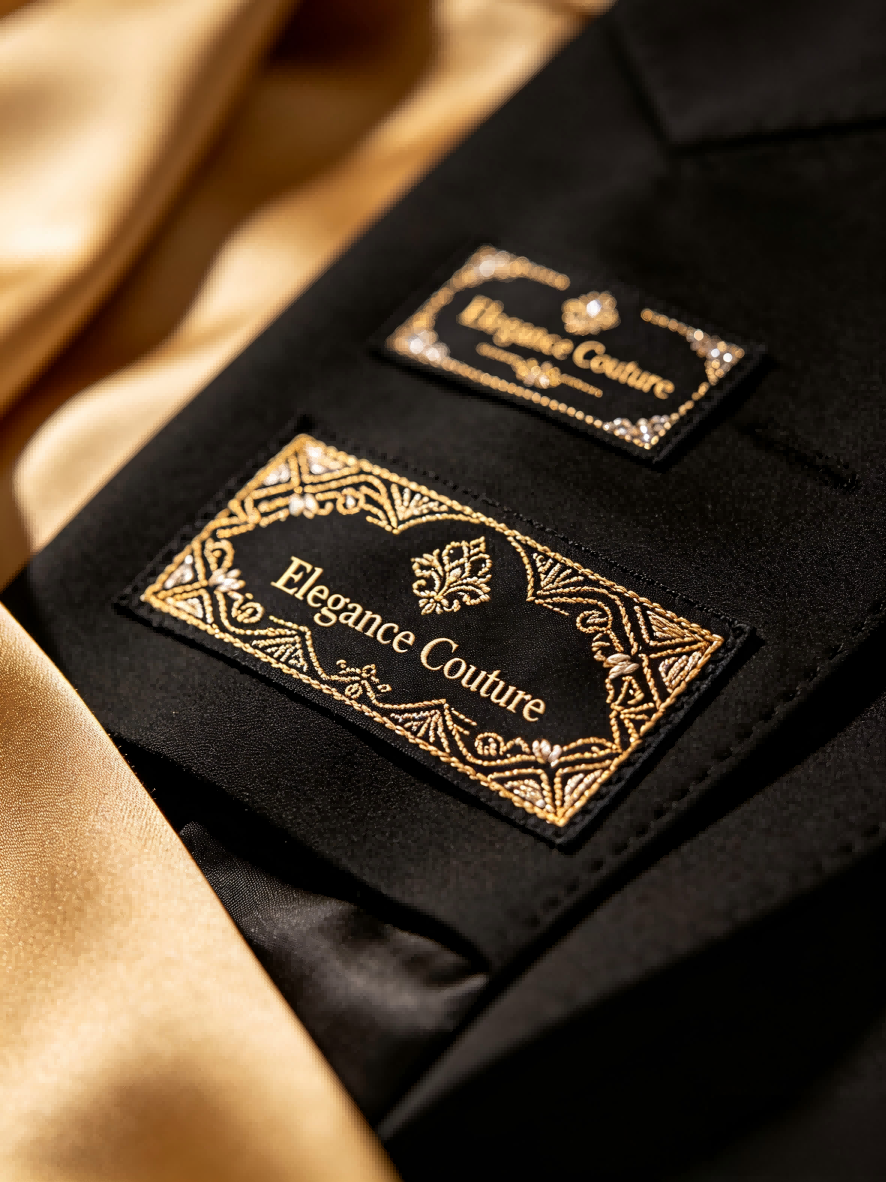
Example: Luxury brand Gucci stores its gold-threaded embroidered garment labels in climate-controlled archives to preserve luster.
3. Garment Label Tags: Ensuring Adhesion and Legibility
Garment label tags often combine paper, adhesive, or synthetic materials requiring tailored care:
- Flat Storage: Lay tags flat in acid-free folders to prevent curling.
- Adhesive Protection: Use wax paper interleaving to avoid stickiness transfer.
- Temperature Stability: Maintain 18–22°C (64–72°F) to prevent glue degradation.
Pro Tip: For RFID-enabled garment label tags, shield them from electromagnetic interference using Faraday bags.
4. Garment Fabric Labels: Combating Fading and Wear
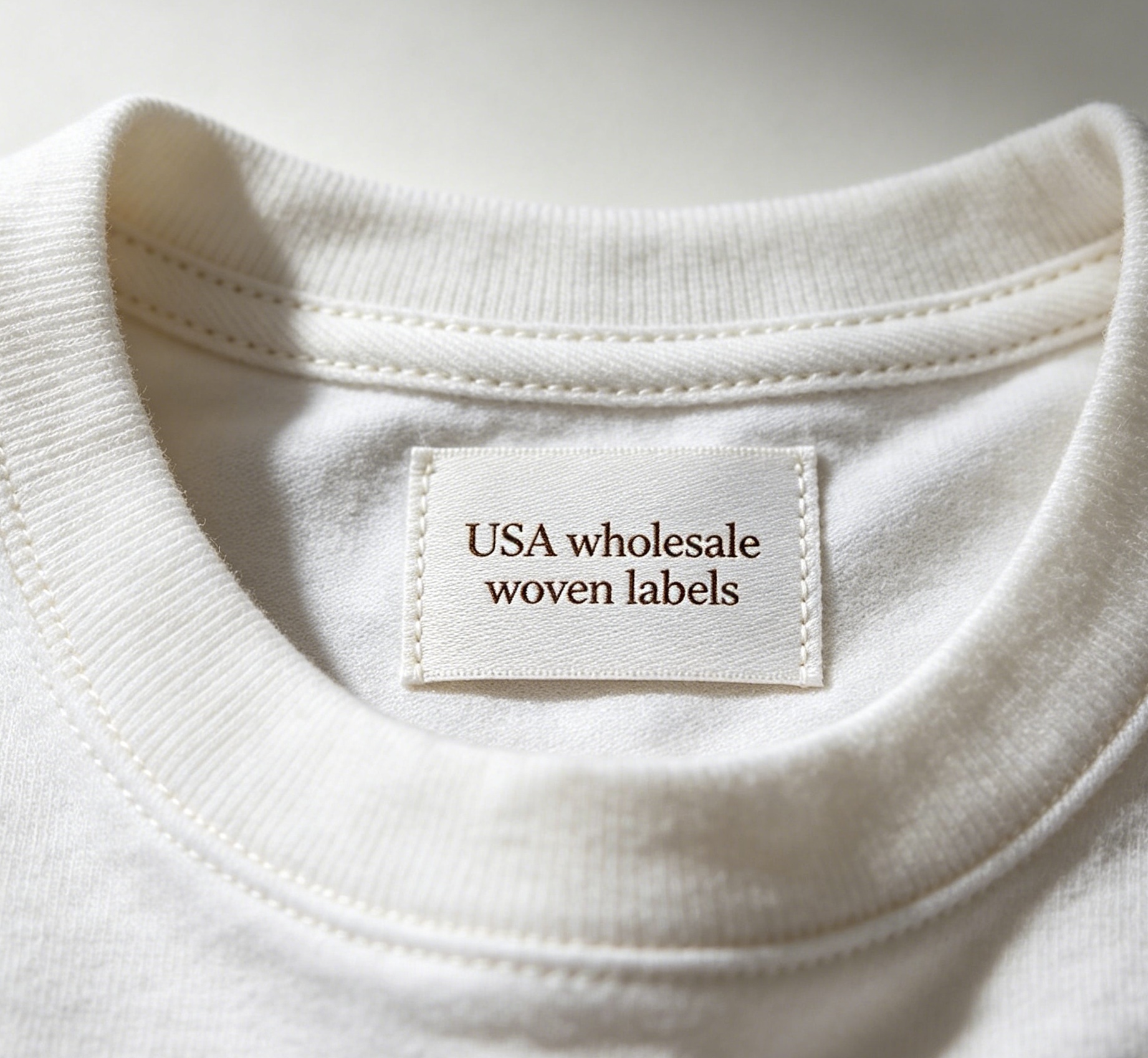
Garment fabric labels (woven or printed) demand protection from environmental stressors:
- UV Resistance: Use opaque storage boxes to block light exposure, which fades dye.
- Pest Deterrence: Add cedar blocks or lavender sachets to repel moths and silverfish.
- Moisture Barriers: Vacuum-sealed bags prevent mildew in humid climates.
Case Study: Patagonia reduced label defects by 45% by switching to vacuum-sealed storage for organic cotton garment fabric labels.
5. Universal Storage Tips for All Label Types
- Inventory Rotation: Follow FIFO (First In, First Out) to avoid long-term degradation.
- Clean Environments: Dust-free storage prevents particulate buildup on embroidered garment labels.
- Labeling Systems: Use waterproof barcodes on containers for easy identification.
6. Common Mistakes to Avoid
- Stacking Heavy Objects: Crushes garment label tags and embossing.
- Ignoring Climate Control: Heat warps synthetic tags; humidity loosens embroidery stitches.
- Mixed Material Storage: Metal clasps on garment fabric labels can scratch adjacent items.
7. Future-Proofing with Smart Storage Solutions
Innovations like smart bins with IoT sensors track humidity and temperature for embroidered garment labels. Biodegradable storage wraps are also gaining traction for eco-friendly garment label tags and garment fabric labels, aligning with circular fashion goals.
Conclusion: Preserving Labels, Protecting Brand Value
Whether safeguarding intricate embroidered garment labels, high-tech garment label tags, or durable garment fabric labels, proper storage is a non-negotiable investment. By prioritizing controlled environments, strategic handling, and material-specific care, brands ensure labels arrive flawlessly at every production stage.
As sustainability guru Ellen MacArthur advocates, “Every detail matters in a circular economy.” Let your label storage reflect that commitment.
Garment Fabric Labels: How to Store Labels for Longevity
Streamlining Inventory with Smart Labels Garment Label Tags