Garment Fabric Labels: How to Choose the Right Printer
When it comes to branding and labeling garments, garment fabric labels, embroidered garment labels, and garment label tags play a pivotal role in enhancing a brand’s identity, durability, and customer perception. To ensure your labels meet both functional and aesthetic standards, choosing the right printer is crucial. Whether you’re printing garment fabric labels for care instructions, embroidered garment labels for luxury branding, or garment label tags for product information, the printer you select will impact quality, cost, and efficiency. This guide explores key factors to consider when choosing a printer for your garment labeling needs.
1. Understand Your Label Requirements
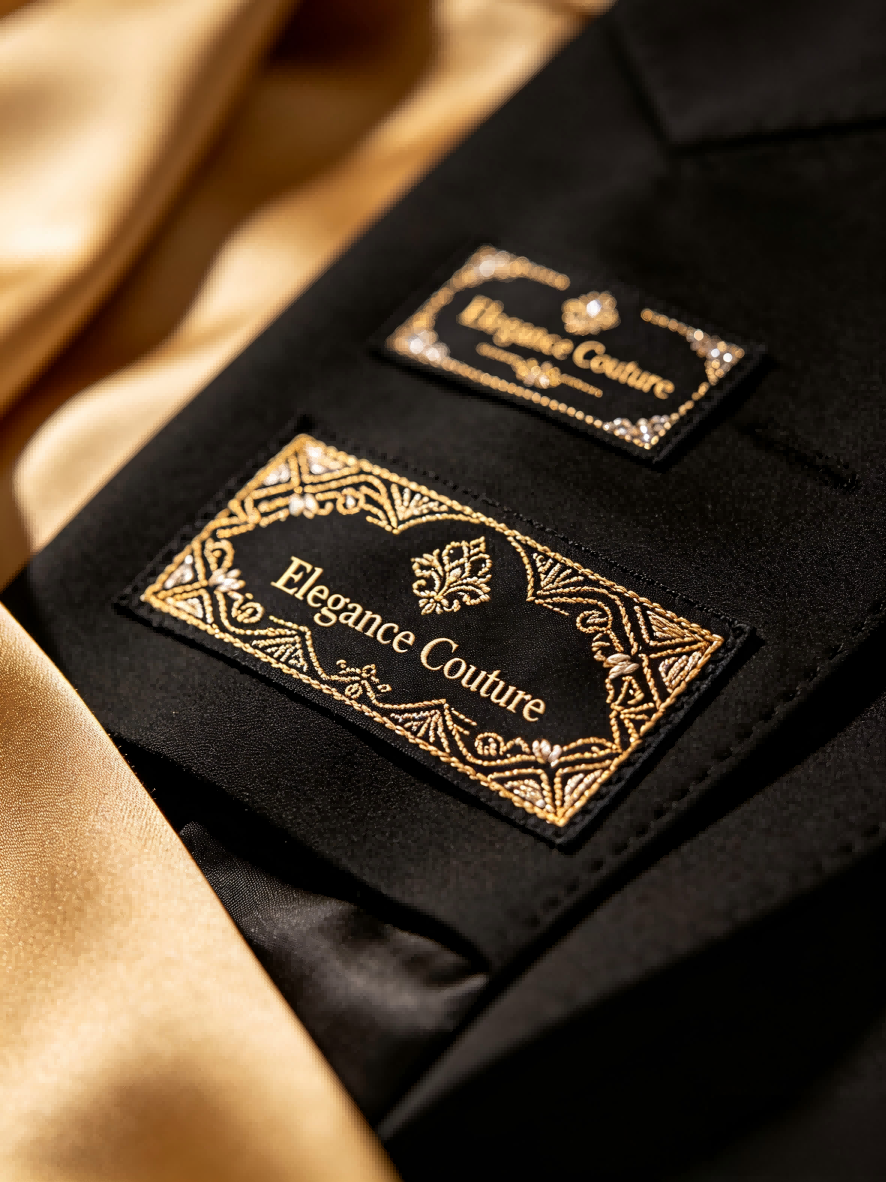
Before investing in a printer, assess your specific needs. Are you primarily printing garment fabric labels that require intricate care instructions, or do you need embroidered garment labels for a premium, textured look? Do you need garment label tags with bold designs for hangtags or swing tags? Different printers excel in different areas. For example, embroidery machines are ideal for embroidered garment labels due to their ability to create raised, durable stitching, while digital or flexographic printers might be better suited for high-volume, full-color garment fabric labels or garment label tags.
2. Prioritize Durability and Wash Resistance
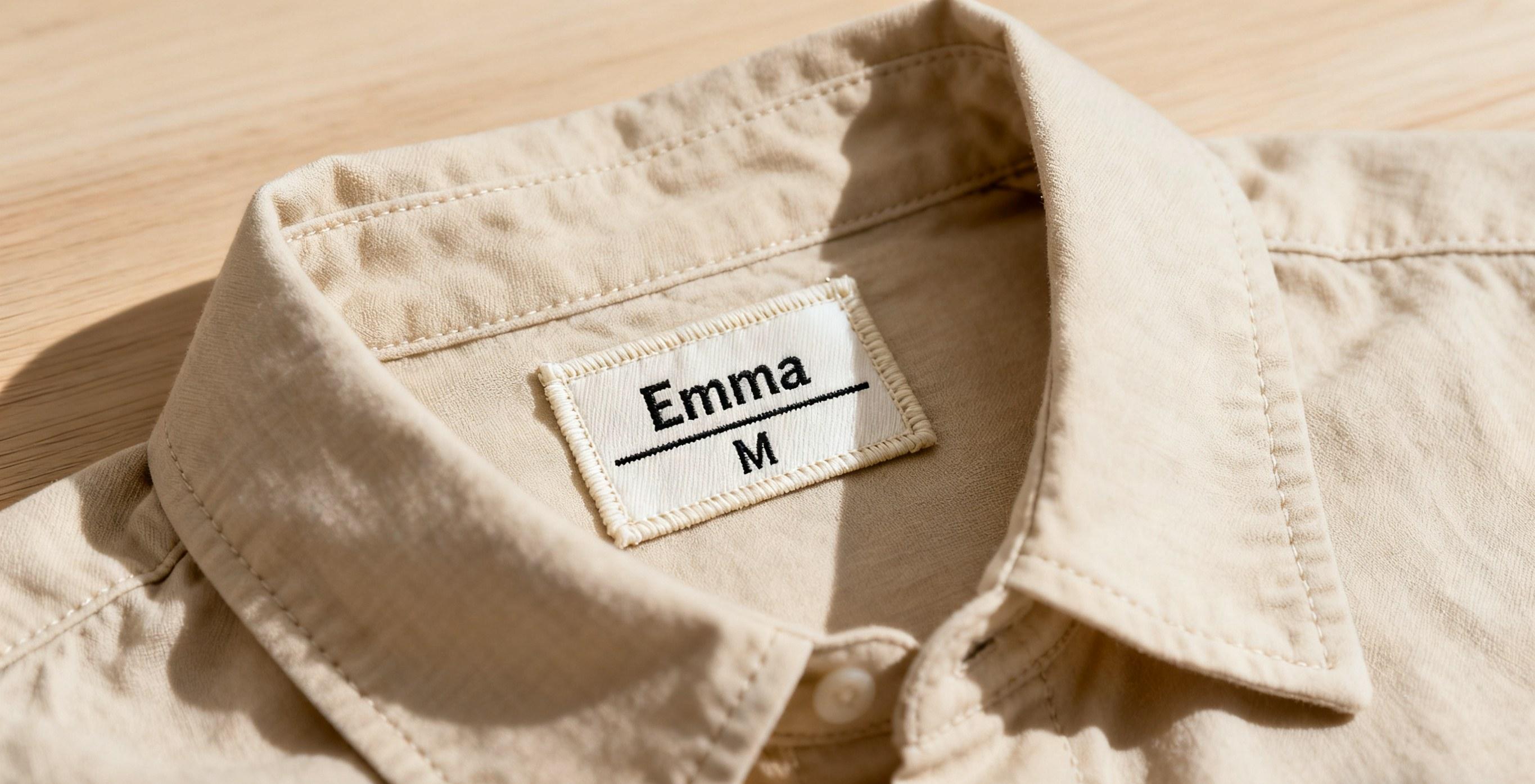
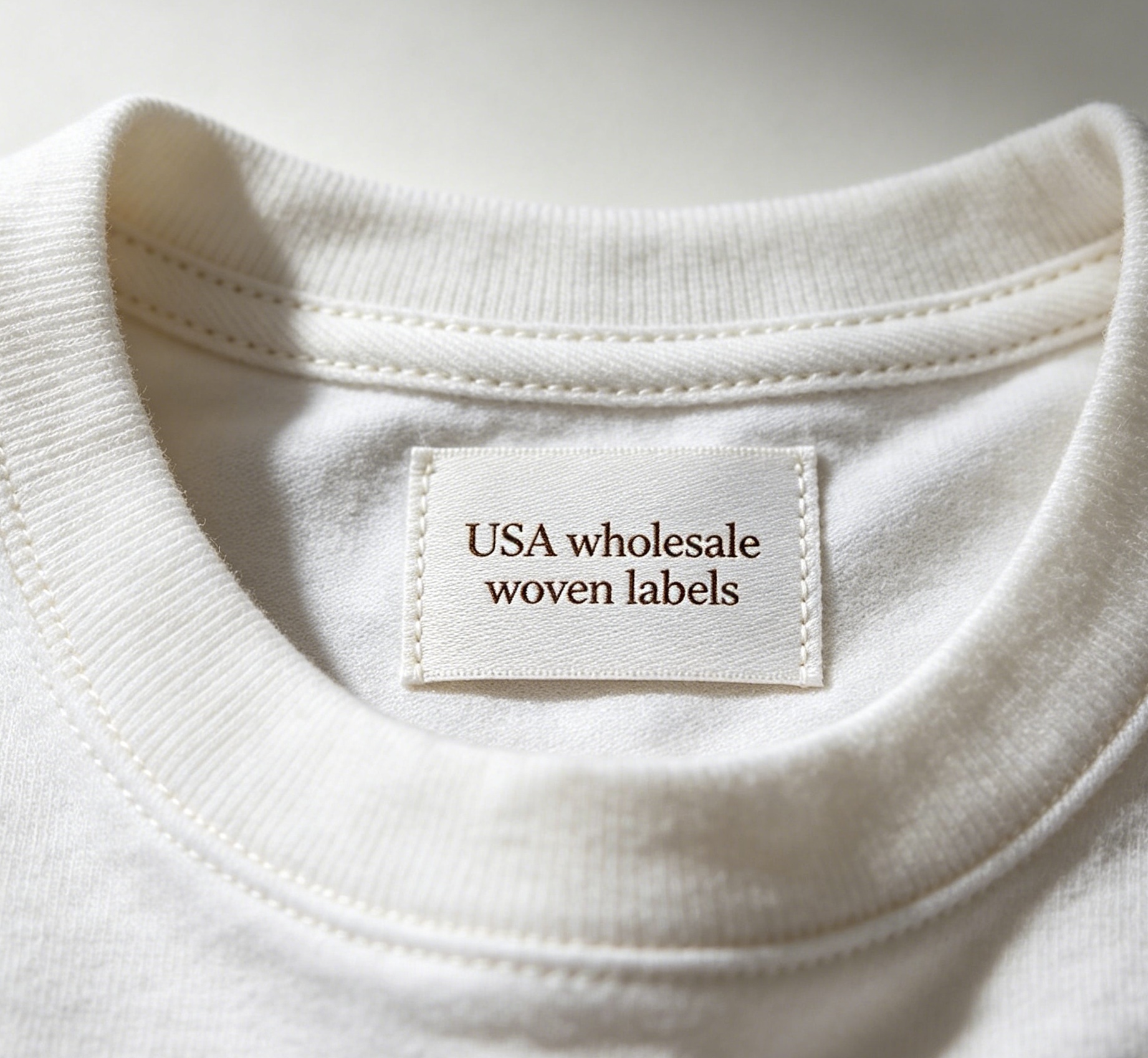
Garment labels, especially garment fabric labels, must withstand frequent washing, friction, and wear. The printer you choose should ensure labels remain legible and intact over time. For garment fabric labels, consider printers that use fade-resistant inks or durable materials like synthetic fabrics. Embroidery printers, on the other hand, offer inherently durable embroidered garment labels since the stitching is woven into the fabric, making them less prone to peeling or cracking. If your labels need to adhere to strict washing standards, prioritize printers that specialize in wash-fast finishes.
3. Evaluate Customization Options
Branding often relies on unique designs, logos, and textures. Embroidered garment labels offer unmatched customization with their ability to create 3D textures, metallic threads, and intricate patterns. If customization is a priority, look for embroidery printers that support a wide range of thread colors, stitch types, and design complexities. For garment fabric labels and garment label tags, digital printers provide flexibility for vibrant colors, variable data (such as size or batch numbers), and complex graphics. Ensure the printer you choose can accommodate your brand’s design vision.
4. Consider Cost and Efficiency
Budget and production volume are critical factors. Embroidery printers might have a higher upfront cost but offer long-term savings for embroidered garment labels due to their durability and premium appeal. For high-volume orders of garment fabric labels or garment label tags, digital or flexographic printers may be more cost-effective, as they can produce labels quickly and affordably. Additionally, consider the cost of materials—some printers require specific inks, threads, or fabrics, which can impact overall expenses.
5. Look for Compatibility and Scalability
Your printer should integrate seamlessly with your production workflow. If you produce a mix of embroidered garment labels, garment fabric labels, and garment label tags, choose a printer or a combination of printers that can handle diverse materials and label types. Scalability is also important—will the printer meet your needs as your business grows? Some printers offer modular systems or software updates to adapt to increasing demands.
6. Research Printer Reputation and Support
Investing in a reliable printer from a reputable manufacturer ensures better performance and longevity. Read reviews, compare customer feedback, and assess the manufacturer’s track record in the garment labeling industry. Additionally, consider after-sales support, including maintenance services, technical assistance, and access to replacement parts. A printer with strong support can minimize downtime and keep your production running smoothly.
7. Test Samples and Compare Results
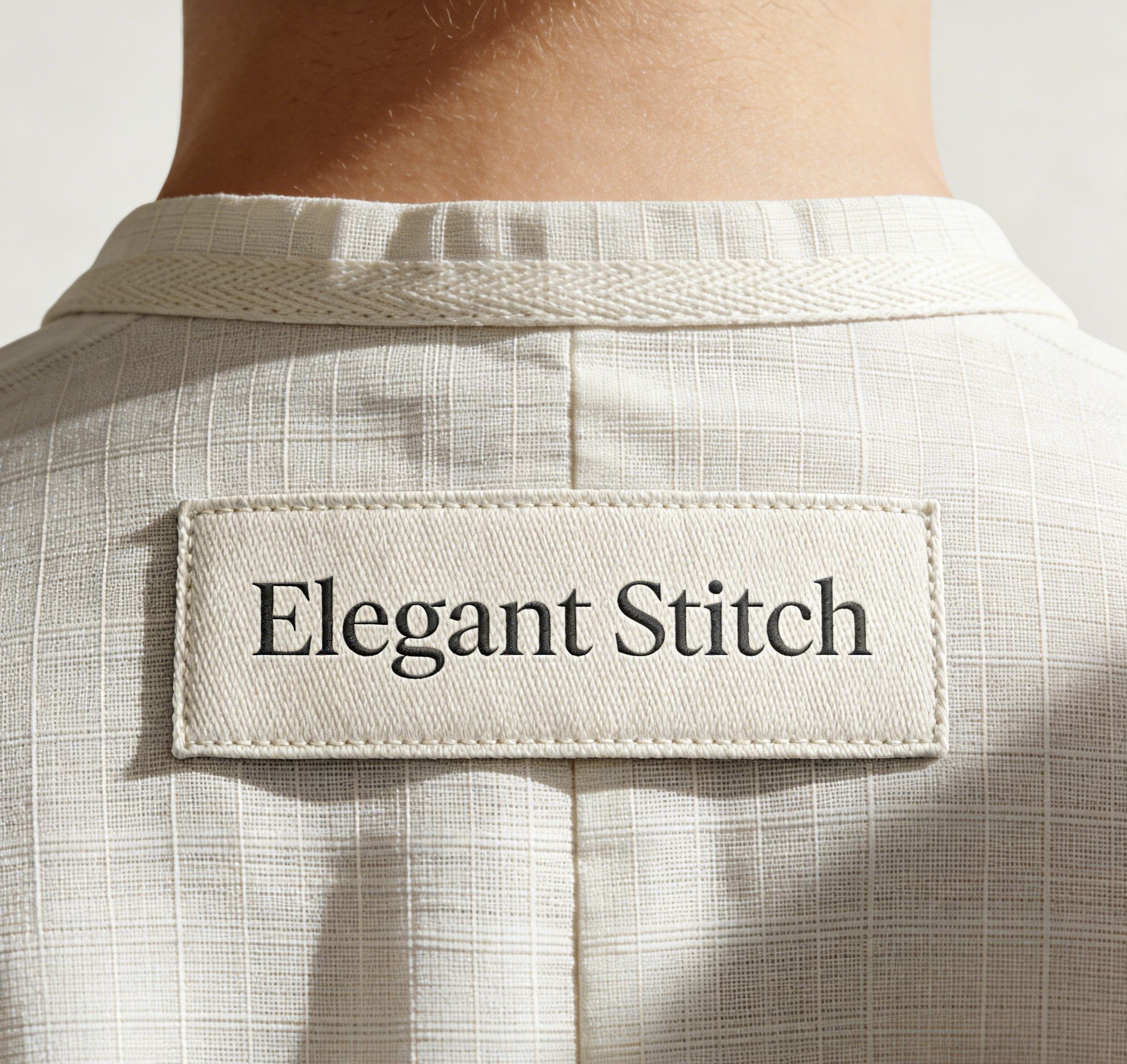
Before committing to a printer, request samples of garment fabric labels, embroidered garment labels, or garment label tags produced on the equipment you’re considering. Evaluate the print quality, color accuracy, and durability. Test how the labels hold up after washing or abrasion, especially for garment fabric labels that need to withstand regular use. Comparing samples from different printers will help you make an informed decision.
Release time: 2025-03-26
Innovations in Technology and Design Garment Label Tags
Embroidered Garment Labels: Cost-Effective Solutions for Businesses
Related blog