Woven Garment Labels vs. Printed: Choosing Fabric Label Types
In apparel branding, the choice between woven garment labels, garment fabric labels, and garment label printing can define your product’s durability, aesthetics, and cost efficiency. Whether you’re launching a luxury line or fast-fashion collection, understanding these label types is critical. This guide breaks down their pros, cons, and best-use scenarios to help you make informed decisions while optimizing for SEO and keyword relevance.
1. Woven Garment Labels: Durability Meets Elegance
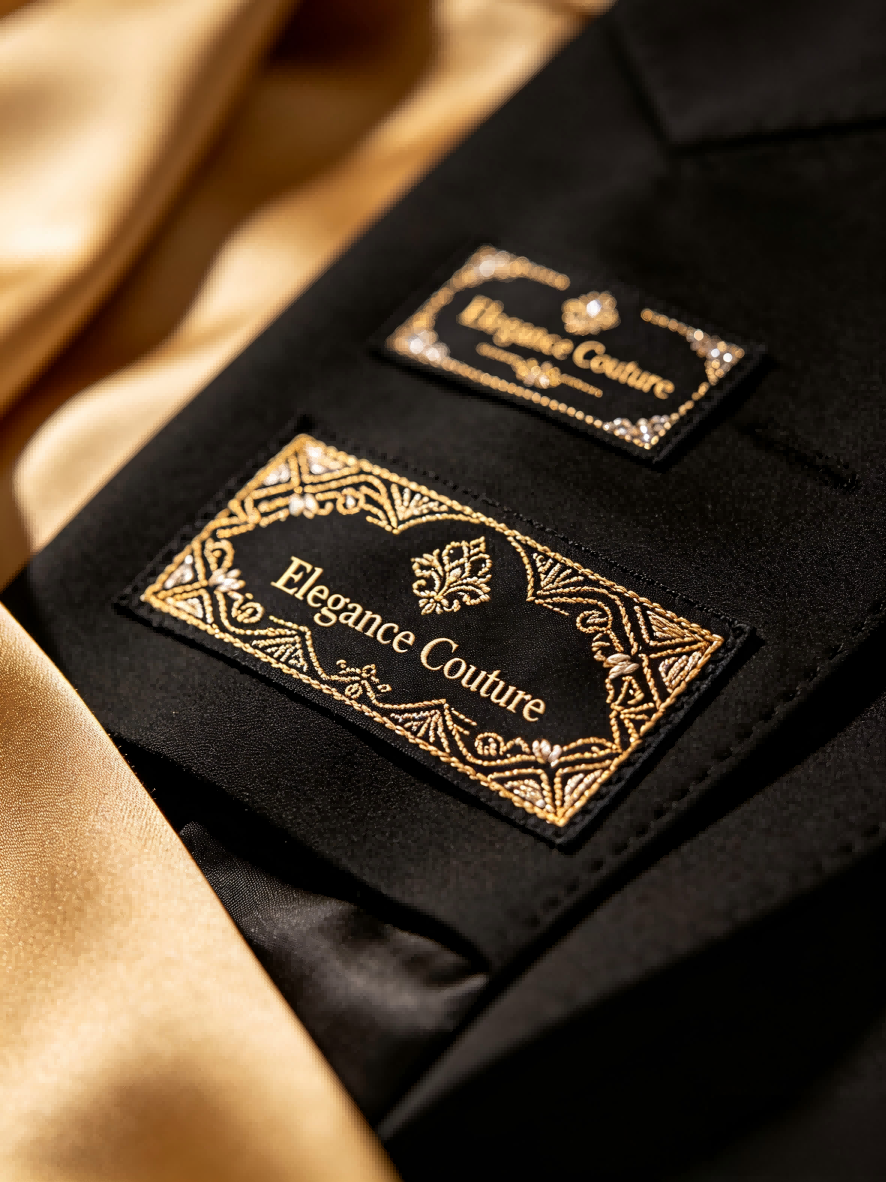
Woven garment labels are crafted by interlacing threads on a loom, creating intricate, long-lasting designs.
- Pros:
- High Durability: Withstand 50+ industrial washes without fraying.
- Luxury Appeal: Ideal for premium brands using metallic or satin threads.
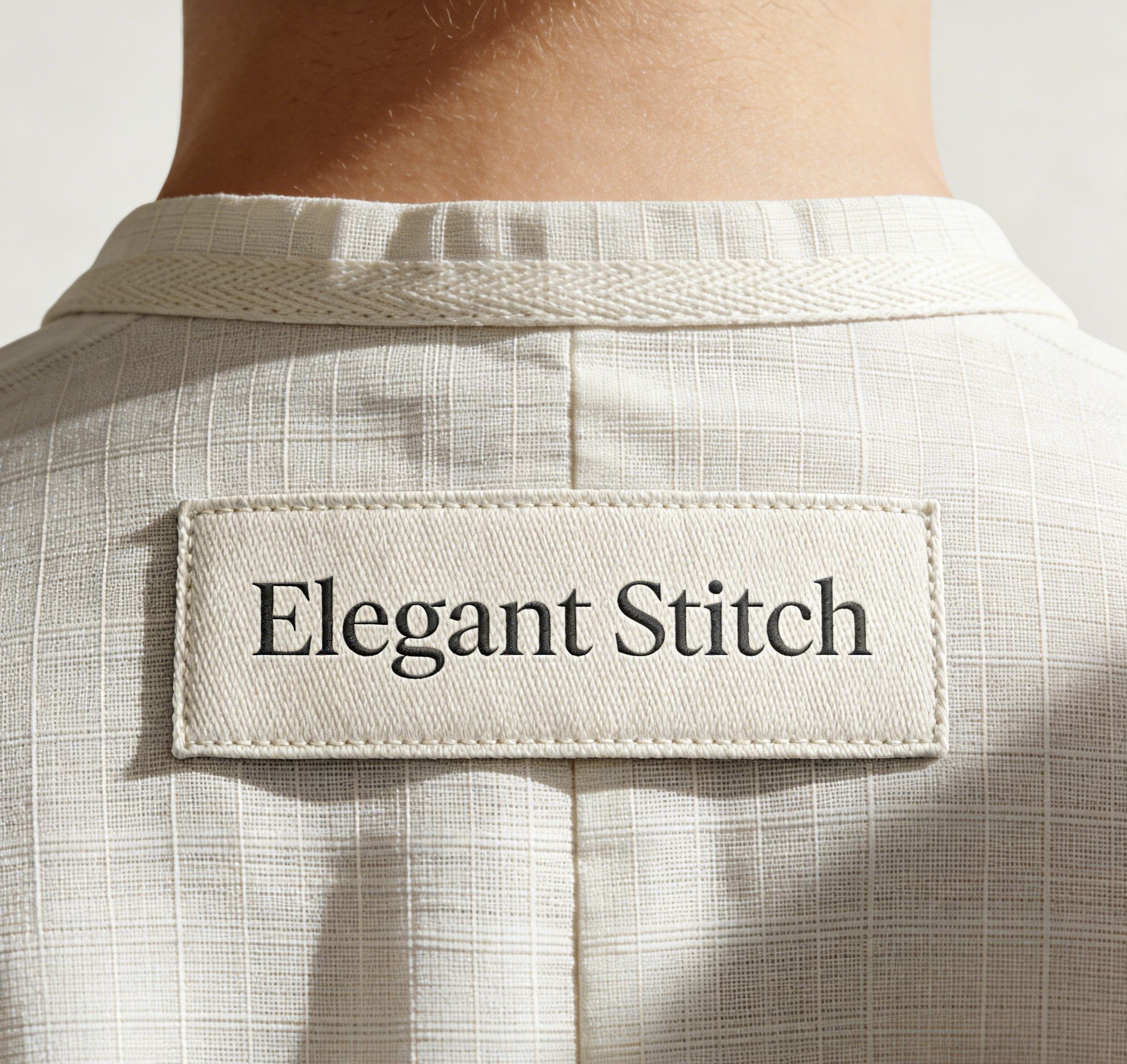
- Texture Options: Chenille, damask, or flat-woven styles for custom branding.
- Cons:
- Cost: 30–50% pricier than printed labels (Statista, 2024).
- Lead Time: 3–5 weeks due to complex production.
Best For: Denim, outerwear, and high-end apparel where longevity matters.
2. Printed Garment Fabric Labels: Versatility on a Budget
Garment label printing applies designs directly onto fabric using techniques like screen printing or digital DTG.
- Pros:
- Affordability: As low as $0.05 per label for bulk orders.
- Full-Color Flexibility: Photorealistic logos, gradients, and complex artwork.
- Speed: Turnaround in 1–2 weeks.
- Cons:
- Durability: Fades after 20–30 washes; prone to cracking on stretch fabrics.
- Texture Limits: Flat finish lacks the tactile premium feel of woven labels.
Best For: Fast fashion, promotional merch, and garments with short lifecycles.
3. Hybrid Solutions: Combining Woven & Printed Labels
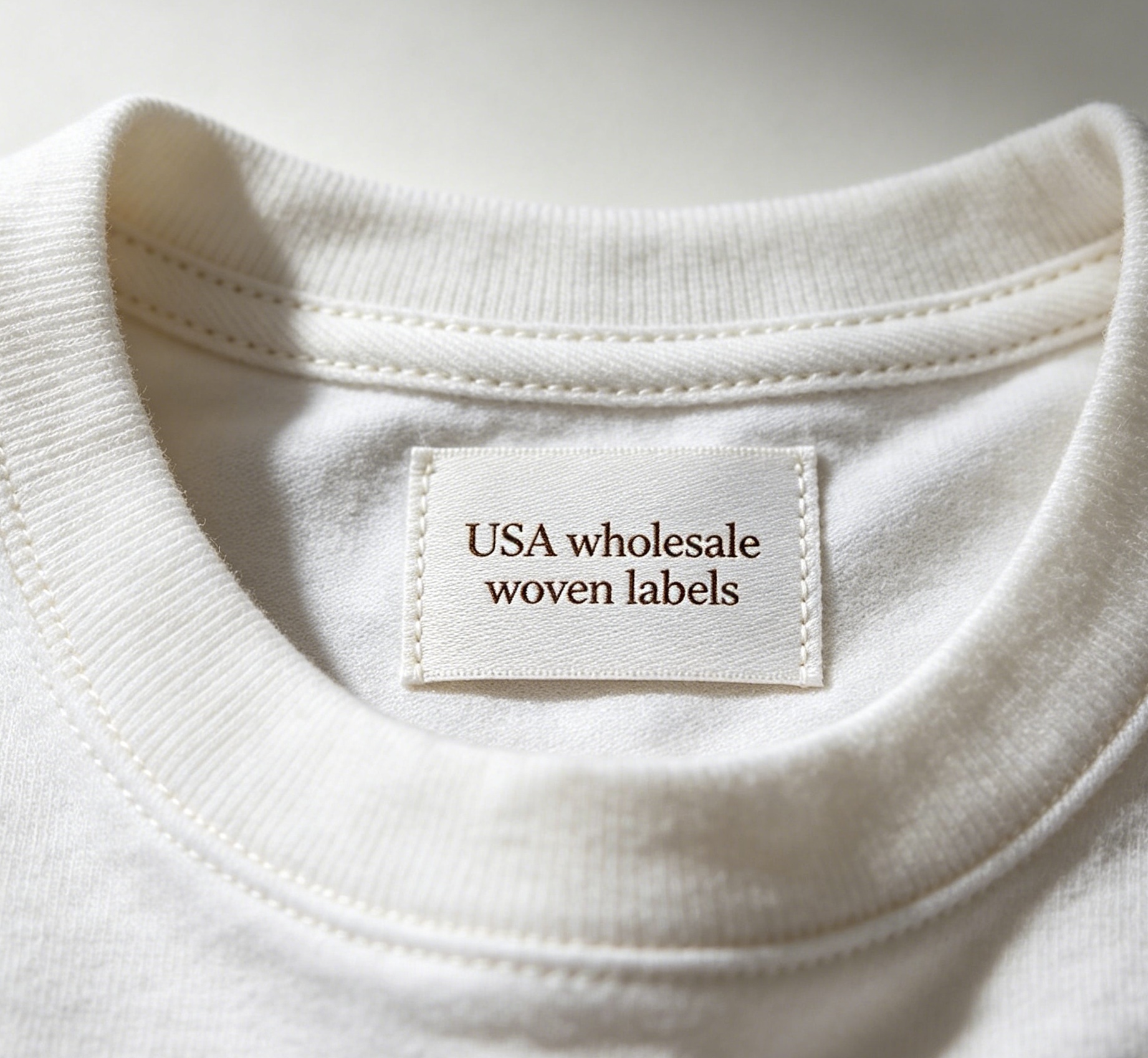
Many brands blend woven garment labels for branding with garment label printing for care instructions:
- Example: A satin-woven logo tag + screen-printed wash guide on organic cotton.
- Cost Savings: Reduces embroidery expenses by 25% while maintaining visual hierarchy.
4. Key Factors to Consider
- Fabric Compatibility:
- Woven Labels: Ideal for thick fabrics (denim, wool).
- Printed Labels: Better for lightweight knits or synthetics.
- Budget:
- Under $0.30/label: Opt for garment label printing.
- Over $0.50/label: Invest in woven garment labels.
- Sustainability:
- Recycled Threads: GOTS-certified woven labels reduce microplastic shedding.
- Eco-Inks: Water-based pigments for printed garment fabric labels.
5. Industry Trends Shaping Label Choices
- Smart Labels: RFID tags embedded in woven garment labels for inventory tracking.
- Biodegradable Prints: Algae-based inks for compostable garment label printing.
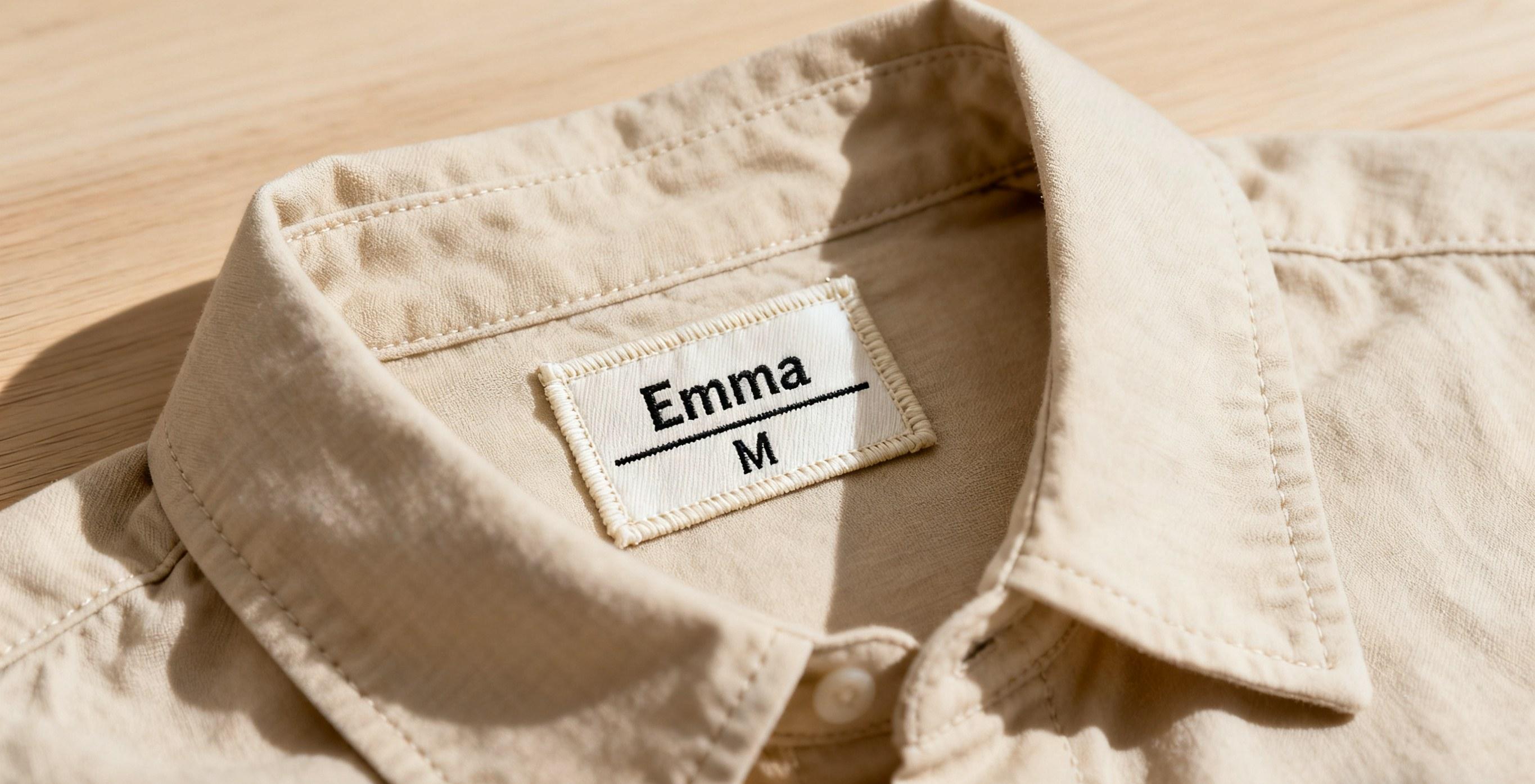
- Minimalist Designs: Tiny woven labels (1x2 cm) for sleek athleisure branding.
Stat: 62% of consumers prefer brands using eco-friendly garment fabric labels (Forbes, 2024).
6. Case Studies: Brands Nailing Label Strategies
- Patagonia: Uses recycled polyester woven garment labels to reinforce its eco-commitment.
- Zara: Leverages high-speed digital garment label printing for rapid collection turnovers.
- Ralph Lauren: Combines jacquard-woven logos with printed care tags for luxury polos.
7. How to Test Your Label Choice
- Wash Test: Subject samples to 10+ wash cycles.
- A/B Testing: Compare customer feedback on woven vs. printed labels.
- Cost Analysis: Calculate ROI per 1,000 units.
Conclusion: Weaving Your Brand’s Story
Woven garment labels, garment fabric labels, and garment label printing each offer unique advantages. While woven labels excel in durability and luxury, printed alternatives provide cost-effective flexibility. By aligning your choice with fabric type, budget, and sustainability goals, you transform labels from afterthoughts into brand-defining assets.
As Coco Chanel once said, “Innovation is in the details.” Let your labels be the detail that sets you apart.
Eco-Friendly Garment Label Printing: Sustainable Fabric Solutions
Garment Fabric Labels: How to Store Labels for Longevity