Woven Garment Labels for Luxury Brands: Silk vs. Satin Options
For luxury fashion houses, woven garment labels are more than identifiers—they are emblems of craftsmanship and exclusivity. The choice between silk and satin for garment fabric labels can define a brand’s aesthetic, tactile appeal, and perceived value. Meanwhile, advancements in garment label printing offer complementary techniques to elevate these materials further. This guide explores the nuances of silk and satin labels, helping luxury brands make informed decisions while optimizing for SEO through strategic keyword integration.
1. Silk Labels: The Epitome of Opulence
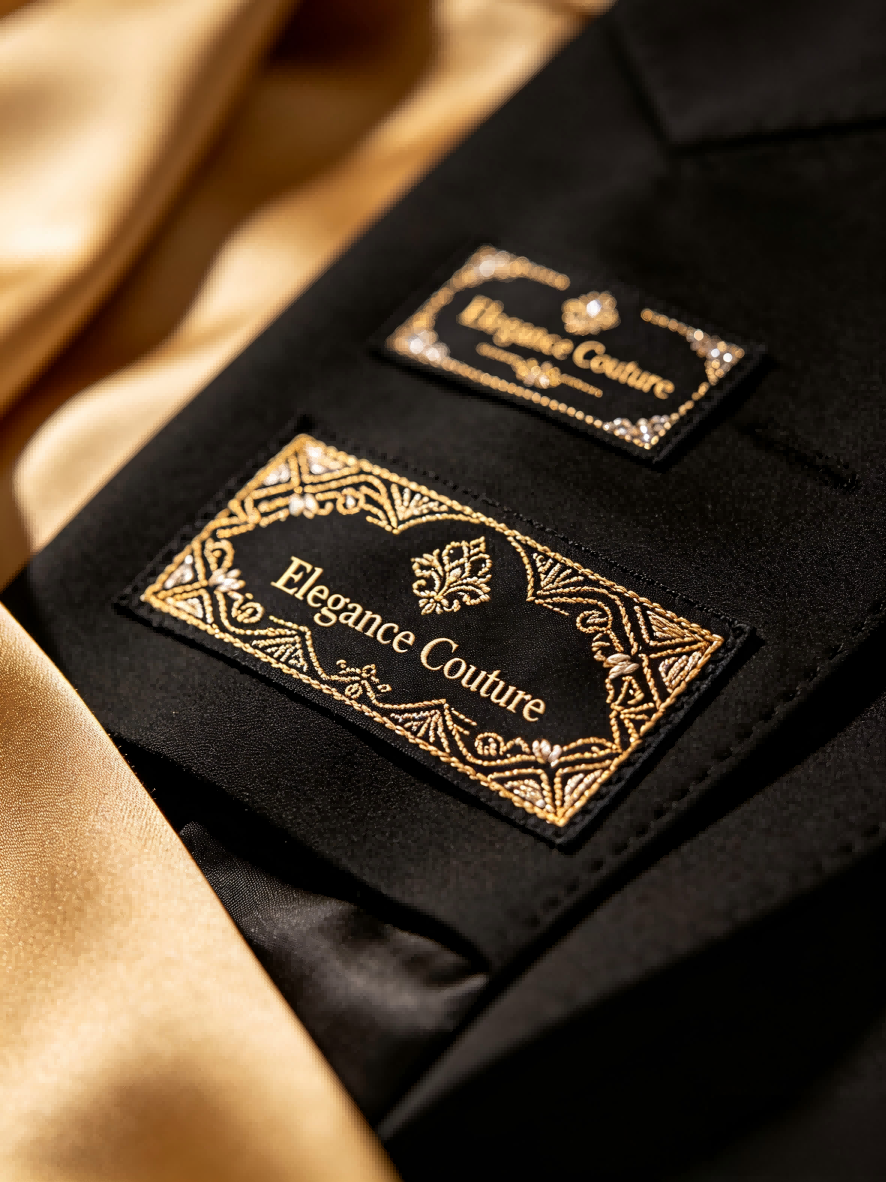
Silk has long been the gold standard for woven garment labels in haute couture and high-end ready-to-wear.
- Pros:
- Natural Sheen: Silk’s inherent luster exudes luxury, ideal for brands like Gucci and Hermès.
- Softness: Gentle against skin, perfect for inner neck tags on cashmere or silk garments.
- Prestige: Historical association with exclusivity (1kg of silk requires 3,000 silkworms).
- Cons:
- Cost: Silk labels cost 3–5x more than satin due to labor-intensive production.
- Durability: Prone to fraying after 20–30 dry cleans; less suited for outerwear.
Case Study: Brunello Cucinelli uses hand-rolled silk garment fabric labels on its knitwear, justifying its $2,000+ price tags.
2. Satin Labels: Affordable Elegance
Satin, often made from polyester or rayon, mimics silk’s gloss at a fraction of the cost, making it a versatile choice for woven garment labels.
- Pros:
- Cost-Effective: Satin labels cost 50–70% less than silk, ideal for mid-luxury brands.
- Durability: Withstands 50+ washes without fraying, suitable for frequent-wear items.
- Customization: Holds metallic threads and complex weaves better than silk.
- Cons:
- Synthetic Feel: Lacks silk’s natural texture, which discerning clients may notice.
- Environmental Impact: Polyester satin relies on petroleum-based production.
Innovation: Stella McCartney uses GOTS-certified organic satin for garment fabric labels, blending affordability with eco-credentials.
3. Hybrid Techniques: Blending Materials & Printing
Luxury brands increasingly combine woven garment labels with garment label printing for multidimensional effects:
- Silk-Satin Mix: Silk logo woven with satin care instructions balances cost and opulence.
- Foil Stamping: Adds metallic accents to satin labels without costly metallic threads.
- Laser Etching: Creates subtle, durable patterns on silk labels for limited editions.
4. Sustainability Considerations
- Silk Alternatives: Peace silk (ahimsa) avoids killing silkworms, appealing to vegan luxury brands.
- Recycled Satin: Brands like Eileen Fisher use satin woven from recycled PET bottles.
- Waterless Printing: Digital garment label printing reduces water use by 95% vs. traditional methods.
Stat: 68% of luxury shoppers prefer brands with eco-friendly garment fabric labels (Bain & Co., 2024).
5. Technical Comparison
| Factor | Silk Labels | Satin Labels |
|---|---|---|
| Cost per Label | 3.00–8.00 | 0.50–2.00 |
| Durability | 20–30 dry cleans | 50+ machine washes |
| Eco-Footprint | High (animal-based) | Moderate (synthetics) |
| Best For | Couture, heritage | Contemporary luxury |
6. Brand Spotlight
- Chanel: Uses silk woven garment labels with gold thread for its tweed jackets.
- Prada: Opts for satin labels with garment label printing for minimalist, wash-resistant care tags.
- Dior: Combines silk logos with laser-printed size indicators on evening gowns.
7. Future Trends in Luxury Labeling
- Bio-Fabricated Silk: Lab-grown spider silk for cruelty-free garment fabric labels.
- Smart Satin: NFC-enabled satin tags linking to digital certificates of authenticity.
- Artisanal Printing: Hand-painted garment label printing for bespoke collections.
Conclusion: Crafting a Legacy Through Labels
Choosing between silk and satin for woven garment labels is a strategic decision that balances heritage, cost, and sustainability. While silk remains the pinnacle of luxury, satin offers a pragmatic yet elegant alternative. Paired with innovative garment label printing techniques, these materials can elevate a brand’s narrative, turning labels into heirlooms.
As Coco Chanel once said, “Luxury must be comfortable, otherwise it is not luxury.” Let your labels embody that ethos—combining beauty, comfort, and conscience.
Garment Label Printing Errors: Avoiding Fabric Label Defects
Waterproof Garment Fabric Labels: Printing Techniques Explained