Kraft Hang Tags: How to Optimize Design for Maximum Brand Impact on Clothing
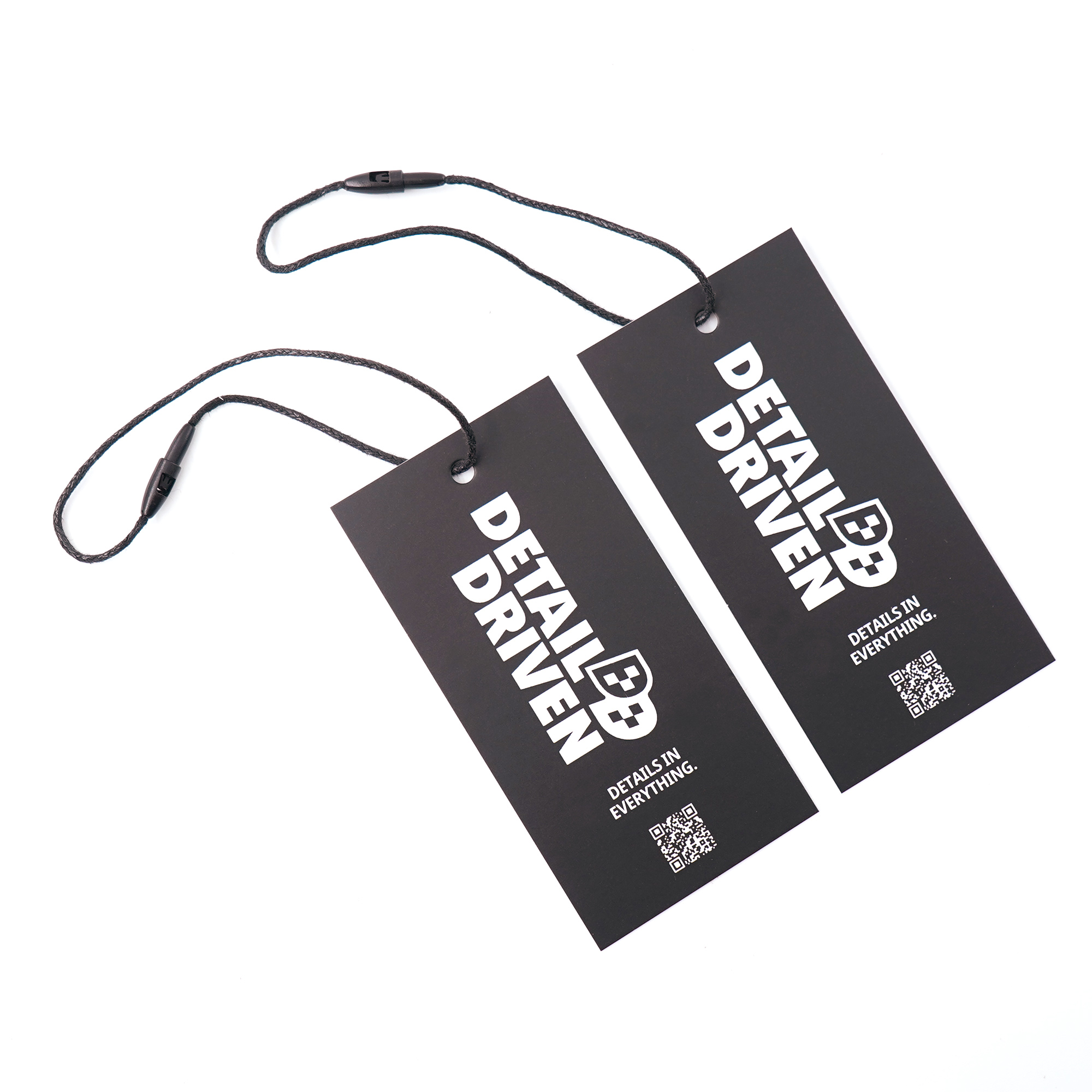
In the crowded world of fashion retail, hang tags on clothing are more than just price carriers—they’re silent storytellers. For brands leveraging kraft hang tags, the design choices you make can elevate your product from ordinary to unforgettable. This article explores how to optimize hanging tag designs to maximize brand impact, why kraft hang tags are a sustainable powerhouse, and actionable strategies to ensure your tags resonate with modern consumers.
The Power of Hang Tags on Clothing in Branding
Hanging tags are often the first physical touchpoint between a brand and its customers. When done right, they:
- Build Recognition: Consistent colors, fonts, and logos on kraft hang tags reinforce brand identity.
- Communicate Values: Eco-friendly materials like unbleached kraft paper signal sustainability commitments.
- Drive Engagement: Tags with QR codes, care tips, or storytelling elements keep customers interacting with your brand long after purchase.
For hang tags on clothing, design isn’t just about aesthetics—it’s about creating a cohesive brand experience.
Why Kraft Hang Tags Are a Designer’s Best Friend
Kraft hang tags offer unique advantages that synthetic or glossy tags can’t match:
- Natural Aesthetic: The raw, earthy texture of kraft paper aligns with minimalist, rustic, or eco-conscious branding.
- Versatility: They pair seamlessly with diverse printing techniques, from bold typography to metallic foil accents.
- Sustainability Credentials: Biodegradable and recyclable, kraft hang tags appeal to the 73% of consumers who prioritize eco-friendly packaging (2023 McKinsey Report).
Design Strategies for High-Impact Hanging Tags
1. Prioritize Readability and Simplicity
Cluttered designs dilute your message. For kraft hang tags:
- Use high-contrast fonts (e.g., black ink on unbleached paper).
- Limit text to essentials: brand name, logo, material, and care instructions.
- Leave negative space to highlight key elements.
Pro Tip: Test font sizes on physical hang tags on clothing—what works on-screen may look cramped in print.
2. Leverage Color Psychology
While kraft paper’s natural hue is a neutral base, strategic color accents can evoke emotions:
- Earth Tones (greens, browns): Enhance eco-friendly messaging.
- Metallic Accents (gold, silver): Add luxury appeal to kraft hang tags.
- Bold Contrasts (white, black): Ensure critical info stands out.
3. Incorporate Interactive Elements
Turn passive tags into engagement tools:
- QR Codes: Link to sustainability stories, styling guides, or loyalty programs.
- Texture Play: Use embossing or debossing to add tactile interest to hanging tags.
- Detachable Elements: Include coupons or care cards that customers can remove and keep.
4. Optimize for Durability
Kraft hang tags must survive shipping, handling, and washing:
- Choose 250–350 GSM paper for sturdiness without bulk.
- Reinforce holes with metal eyelets or recycled plastic grommets.
- Use water-resistant coatings for washable garments.
Sustainability Meets Style: The Kraft Hang Tag Advantage
Kraft hang tags aren’t just eco-friendly—they’re a design asset. Here’s how to amplify their sustainable appeal:
- Print with Purpose: Use soy-based or algae inks to maintain compostability.
- Minimize Waste: Design smaller tags or use nesting layouts during printing to maximize paper sheets.
- Educate Consumers: Add phrases like “Replant Me” or “Recycle Responsibly” to tags, encouraging eco-conscious actions.
Case Study: A Los Angeles-based streetwear brand reduced its carbon footprint by 20% after switching to kraft hang tags made from 100% post-consumer waste.
Global Trends Shaping Hanging Tag Design in 2024
- Micro-Branding: Tiny hang tags on clothing with minimalist logos for a discreet, luxury feel.
- Smart Tags: NFC-enabled kraft hang tags that connect to digital content without compromising rustic aesthetics.
- Localized Artwork: Tags featuring regional patterns or collaborations with local artists to build community connections.
Common Mistakes to Avoid with Hang Tags on Clothing
- Overlooking Regulatory Info: Ensure care labels and fiber content meet regional standards.
- Ignoring Fabric Compatibility: Delicate fabrics like silk may require smaller, lighter hanging tags to avoid damage.
- Sacrificing Function for Style: A beautiful tag that tears easily or fades after one wash undermines brand trust.
Conclusion
Optimizing kraft hang tags for maximum brand impact requires a balance of creativity, functionality, and sustainability. By focusing on clean design, interactive elements, and eco-conscious materials, your hang tags on clothing can transcend their practical role to become memorable brand ambassadors. In an era where consumers value authenticity and purpose, a well-crafted hanging tag isn’t just a label—it’s a statement of who you are and what you stand for.
Final Tip: Audit your current kraft hang tags annually. Small tweaks in design or materials can keep your brand fresh and relevant in a fast-evolving market.
Luxury Hang Tags: Elevate Your Brand’s Premium Appeal
Cultural Influences on Global Hanging Tag Preferences