Hanging Tag Size Standards: Global Market Comparison" Trend Analysis
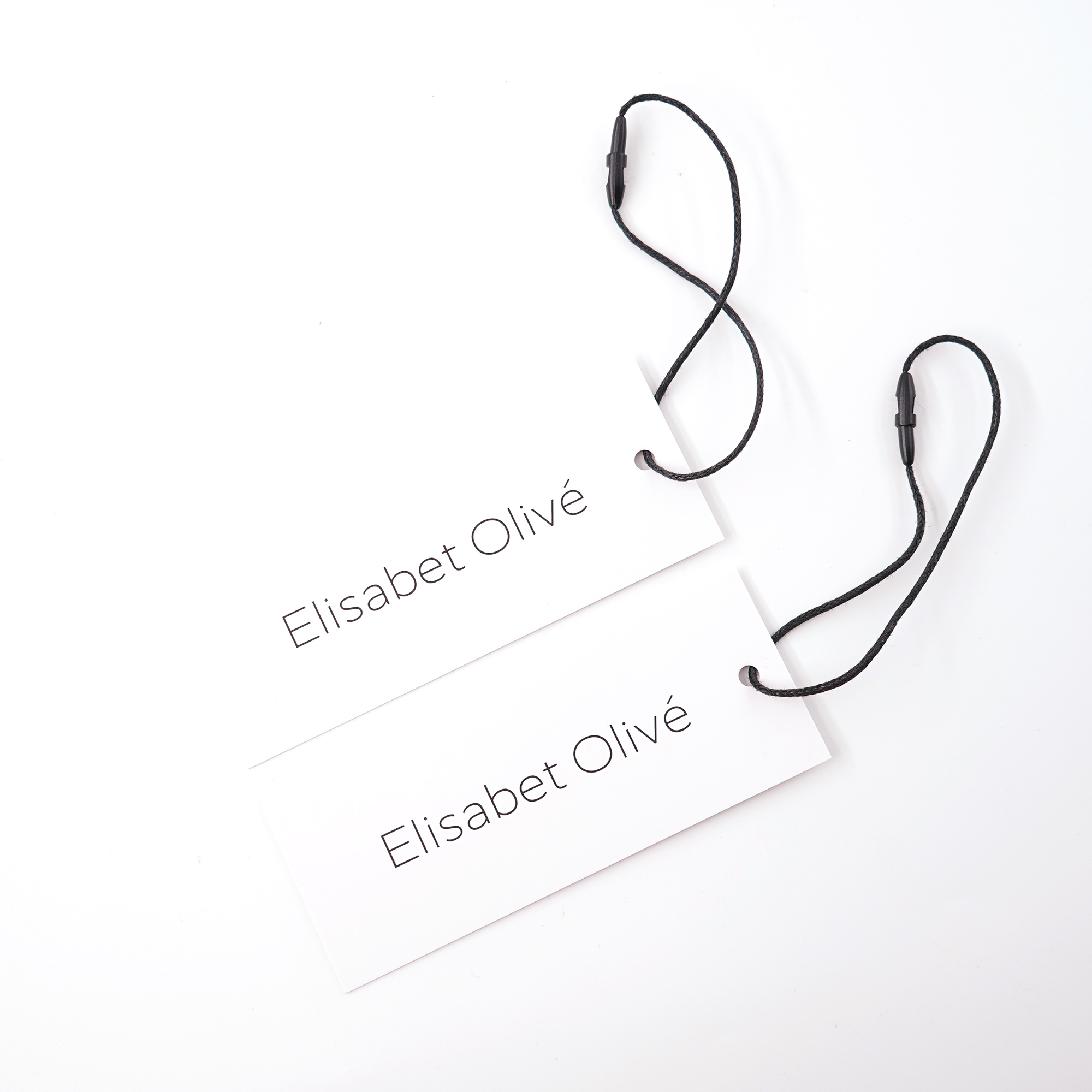
In the competitive world of fashion and retail, hang tags on clothing are more than just labels—they’re strategic branding tools. As brands expand globally, understanding hanging tag size standards across markets becomes critical. This is especially true for kraft hang tags, where balancing eco-friendly appeal with regional preferences can make or break consumer engagement. In this article, we analyze global size trends, regional preferences, and how kraft hang tags adapt to meet diverse market demands.
Why Hanging Tag Sizes Matter for Clothing Brands
Hang tags on clothing serve dual purposes: conveying essential product information and reinforcing brand identity. Size plays a pivotal role in this equation:
- Visibility: Larger tags grab attention on crowded retail racks.
- Functionality: Compact tags minimize waste and align with sustainability goals.
- Compliance: Some regions have guidelines for label dimensions, particularly for care instructions.
For kraft hang tags, which prioritize natural aesthetics and eco-consciousness, size selection must also consider material efficiency and printing constraints.
Global Hanging Tag Size Standards: Regional Breakdown
1. North America: Bold and Informative
In the U.S. and Canada, hang tags on clothing tend to lean larger, averaging 2.5 x 4 inches (6.35 x 10.16 cm). This reflects:
- Consumer Preferences: Space for detailed branding, QR codes, and compliance labels (e.g., fiber content, country of origin).
- Sustainability Trends: Brands using kraft hang tags often opt for slightly smaller sizes (2 x 3.5 inches) to reduce paper waste while maintaining readability.
Key Insight: Pair larger kraft hang tags with recycled strings or minimalist designs to balance eco-messaging with visibility.
2. Europe: Compact and Eco-Conscious
European markets favor smaller, minimalist hanging tags, typically 1.9 x 3.1 inches (5 x 8 cm). This aligns with:
- Regulatory Norms: EU’s strict labeling laws require clear but concise information.
- Sustainability Focus: Compact kraft hang tags reduce material use, resonating with Europe’s circular economy principles.
Key Insight: Use high-GSM kraft hang tags (300–350 GSM) for durability in smaller sizes, ensuring they withstand handling without tearing.
3. Asia: Diverse and Customizable
Asian markets show wide variation. For example:
- Japan: Ultra-compact tags (~1.5 x 2.7 inches) with intricate designs.
- China: Larger tags (up to 3 x 5 inches) for luxury goods, emphasizing brand prestige.
Kraft hang tags here often feature hybrid sizes, blending regional aesthetics with functional needs like wash care symbols in multiple languages.
Key Insight: Modular designs (e.g., foldable kraft hang tags) cater to Asia’s diverse markets while conserving material.
Trends Influencing Hanging Tag Sizes in 2024
-
Micro Tags for Minimalism
Brands are experimenting with tiny hang tags on clothing (as small as 1 x 2 inches) to reduce waste. Kraft hang tags excel here due to their sturdiness at lower GSM. -
Oversized Tags for Luxury
High-end markets are embracing bold hanging tags (up to 4 x 6 inches) for unboxing experiences. Thick kraft hang tags (400+ GSM) with debossed logos cater to this trend. -
Smart Tag Integration
QR codes and NFC chips require moderate sizes (2 x 3 inches) to ensure scannability without compromising kraft hang tags’ rustic appeal.
Choosing the Right Size for Kraft Hang Tags: 3 Tips
-
Audit Regional Regulations
Ensure your hang tags on clothing meet size requirements for care labels, especially in the EU and North America. -
Prioritize Material Efficiency
Smaller kraft hang tags reduce paper waste and shipping costs. Use nesting layouts during printing to maximize sheet usage. -
Test Durability
Compact tags may require higher GSM weights to avoid tearing. For instance, a 2 x 3-inch hanging tag should use 300+ GSM kraft paper.
Sustainability and Size: The Kraft Hang Tag Advantage
Kraft hang tags naturally align with eco-friendly size trends:
- Their unbleached, biodegradable material complements compact designs.
- Lightweight yet durable, they support both small tags (for reduced waste) and larger tags (for reusable packaging).
- Brands can pair sizes with recycled attachments (e.g., hemp cords) to enhance sustainability narratives.
Conclusion
Navigating hanging tag size standards across global markets requires a blend of compliance, consumer insight, and creativity. While North America leans bold, Europe champions compactness, and Asia embraces diversity, kraft hang tags offer the flexibility to adapt to all. By aligning tag dimensions with regional trends and sustainability goals, brands can ensure their hang tags on clothing resonate locally while reinforcing a global commitment to quality and eco-consciousness.
2024 Forecast: Metallic Accents in Kraft Hang Tags
Hang Tags on Clothing: Digital Printing vs Hot Stamping