How to Select the Right Labels and Hang Tags for Your Industry
In modern branding, labels and hang tags are not just accessories; they are strategic assets. From fashion to electronics, they help communicate product value, improve consumer trust, and ensure compliance. For buyers and decision-makers in retail, packaging, and manufacturing, choosing between an adhesive label, a sticker label, or logo stickers requires careful evaluation of industry standards, customer expectations, and sustainability goals.
Matching Materials to Industry Needs
Different sectors require different labeling solutions. Selecting the wrong material can result in reduced durability, wasted cost, or weak brand messaging.
-
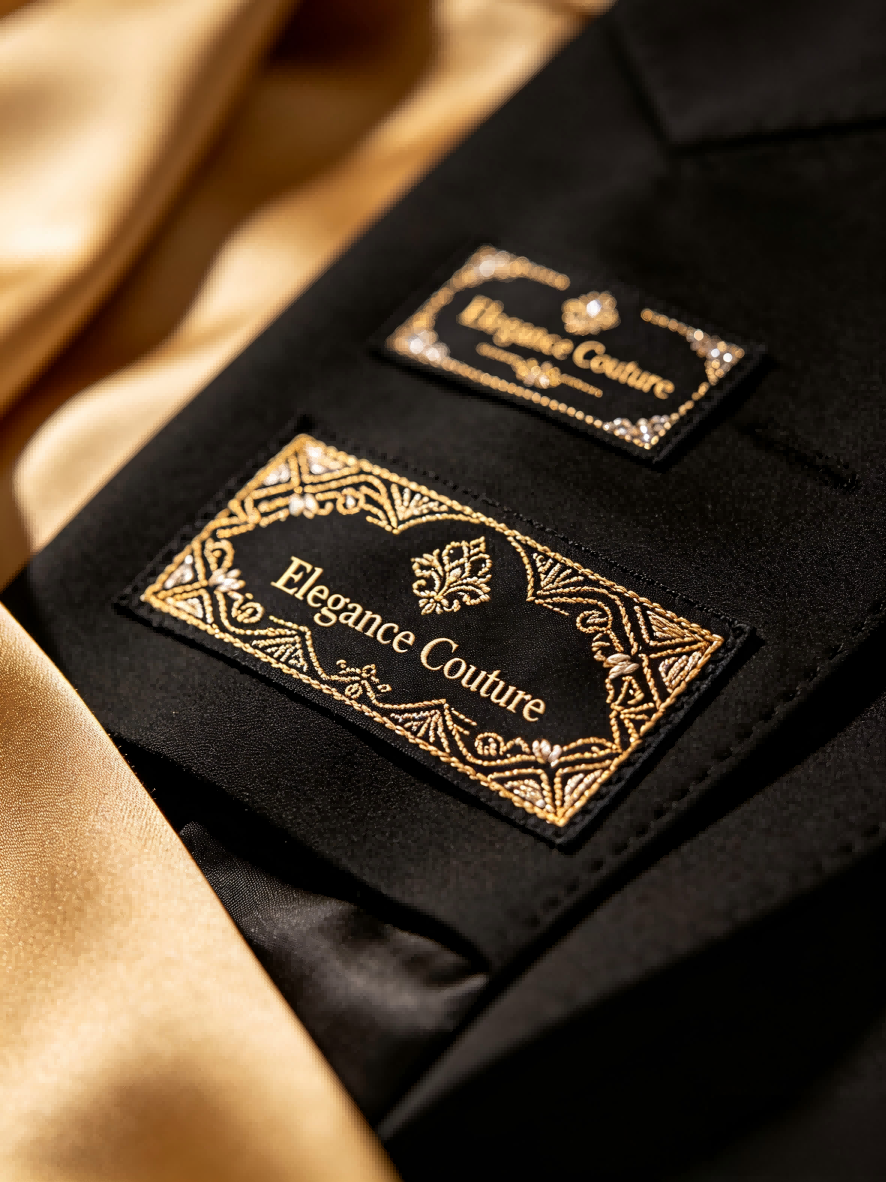
Fashion and Apparel: Clothing brands often rely on paper hangtags for storytelling. However, pairing them with logo stickers on packaging bags or gift boxes reinforces visual consistency and strengthens customer recall.
-
Food Industry: Here, compliance and clarity are crucial. An adhesive label or sticker label offers space for ingredient details, batch codes, and barcodes, making logistics smoother and meeting regulatory requirements.
-
Cosmetics Industry: Design aesthetics take priority. Transparent sticker labels with foil stamping or matte finishes create a premium look while withstanding handling in retail environments.
-
Electronics Industry: Long-lasting identification is key. Durable adhesive labels with waterproof or heat-resistant properties ensure critical product data remains visible throughout the product lifecycle.

Enhancing Customer Experience Through Labels
Labels and hang tags influence how customers perceive a product even before they use it.
-
Aesthetic Consistency: A carefully designed sticker label that aligns with brand colors and fonts creates trust and recognition.
-
Durability: Customers expect packaging details to remain intact. High-quality adhesive labels prevent smudging or peeling.
-
Convenience: Easy-apply and easy-remove solutions add value not only for end-users but also for supply chain workers handling packaging.
In short, labels are not just functional. They play an active role in shaping a seamless and engaging customer journey.
Sustainability and Market Trends
Sustainability has shifted from trend to necessity. Many businesses now adopt environmentally responsible labeling practices to align with consumer expectations.
-
Eco-Friendly Materials: Adhesive labels made with recycled content reduce environmental impact.
-
Non-Toxic Adhesives: Safe glue solutions minimize chemical exposure while ensuring reliable bonding.
-
Logo Stickers with Water-Based Ink: Brands use eco-friendly printing processes to combine sustainability with high-quality design.
Companies that prioritize sustainable labeling send a clear message: they are future-ready and customer-focused.

Printing and Supply Chain Considerations
Beyond design, the quality of printing and supplier capabilities determine overall effectiveness. Buyers should consider:
-
Supplier Reliability: A professional label printing or sticker printing partner guarantees consistent quality and color accuracy across batches.
-
Batch Flexibility: Bulk printing reduces unit cost, ideal for large product lines. Small batch production is suitable for testing limited editions or seasonal promotions.
-
Printing Techniques:
-
Matte: Subtle and sophisticated, often used in beauty products.
-
Gloss: Bright and vibrant, common in food and beverages.
-
Foil Stamping: Adds luxury appeal, especially on logo stickers.
-
UV Coating: Protects surfaces while highlighting key design elements.
-
By selecting the right supplier, brands achieve both efficiency and creativity in their packaging strategy.
Industry Applications: Case Studies
-
Clothing Brand Storytelling: Combining paper hangtags with logo stickers on shopping bags enhances both in-store and post-purchase branding.
-
E-Commerce Packaging: Online retailers use sticker labels to seal boxes, improving security while delivering a professional unboxing experience.
-
FMCG Logistics: Fast-moving consumer goods companies adopt adhesive labels with QR codes to streamline inventory tracking and improve operational efficiency.
These examples illustrate that the right labeling choice directly impacts customer satisfaction and business performance.

Conclusion: Labels as Strategic Branding Tools
Labels and hang tags are not simply product identifiers. They are strategic branding assets that shape perception, ensure compliance, and reinforce identity. Whether you choose an adhesive label for logistics, a sticker label for retail packaging, or logo stickers for promotional visibility, the decision should align with industry needs, customer expectations, and sustainability goals.
Brands that prioritize professional labeling and reliable printing partnerships position themselves for long-term success. To learn more about tailored solutions, explore our custom sticker printing services and hang tag printing options.
Remember: the right label is not just packaging — it is a powerful extension of your brand strategy.
Choosing the Right Hang Tags and Labels for Your Brand
From Mockups to Luxury: How Hang Tags Shape Fashion Branding