How to Design Custom Garment Labels That Elevate Your Brand
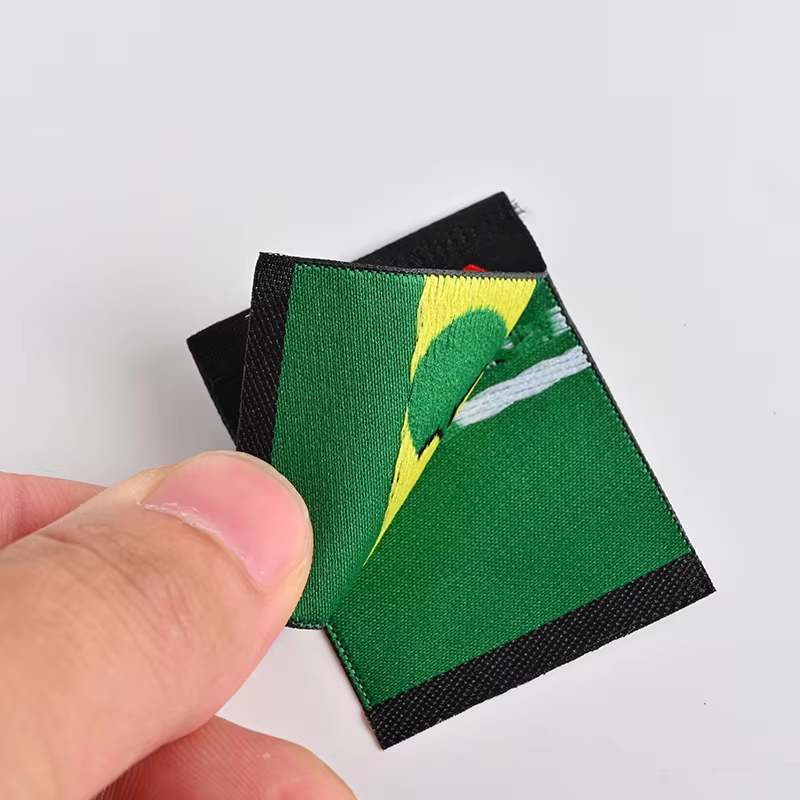
In the competitive world of fashion and apparel, custom garment labels are more than just a functional necessity—they’re a powerful branding tool. Whether you’re creating garment content labels for compliance or designing iron-on garment labels for a personalized touch, the right label can elevate your brand and leave a lasting impression. Here’s how to design custom labels that stand out.
Why Custom Garment Labels Matter
Custom garment labels are the face of your brand. They communicate your identity, values, and attention to detail. From high-end fashion brands to small DIY businesses, labels play a crucial role in building trust and recognition. Pairing them with garment content labels ensures your products are both stylish and compliant with industry standards.
Key Elements of a Great Custom Garment Label
-
Material Choice: Select a material that aligns with your brand’s aesthetic and the garment’s purpose. For example, satin labels add a luxurious feel, while cotton labels are ideal for casual wear.
-
Design and Typography: Keep your design clean and legible. Use fonts and colors that reflect your brand’s personality.
-
Size and Shape: Choose a size and shape that complements your garment. Iron-on garment labels, for instance, work best when they’re compact and easy to apply.
-
Compliance: Ensure your garment content labels include all required information, such as fabric composition, care instructions, and country of origin.
Designing for Different Types of Labels
-
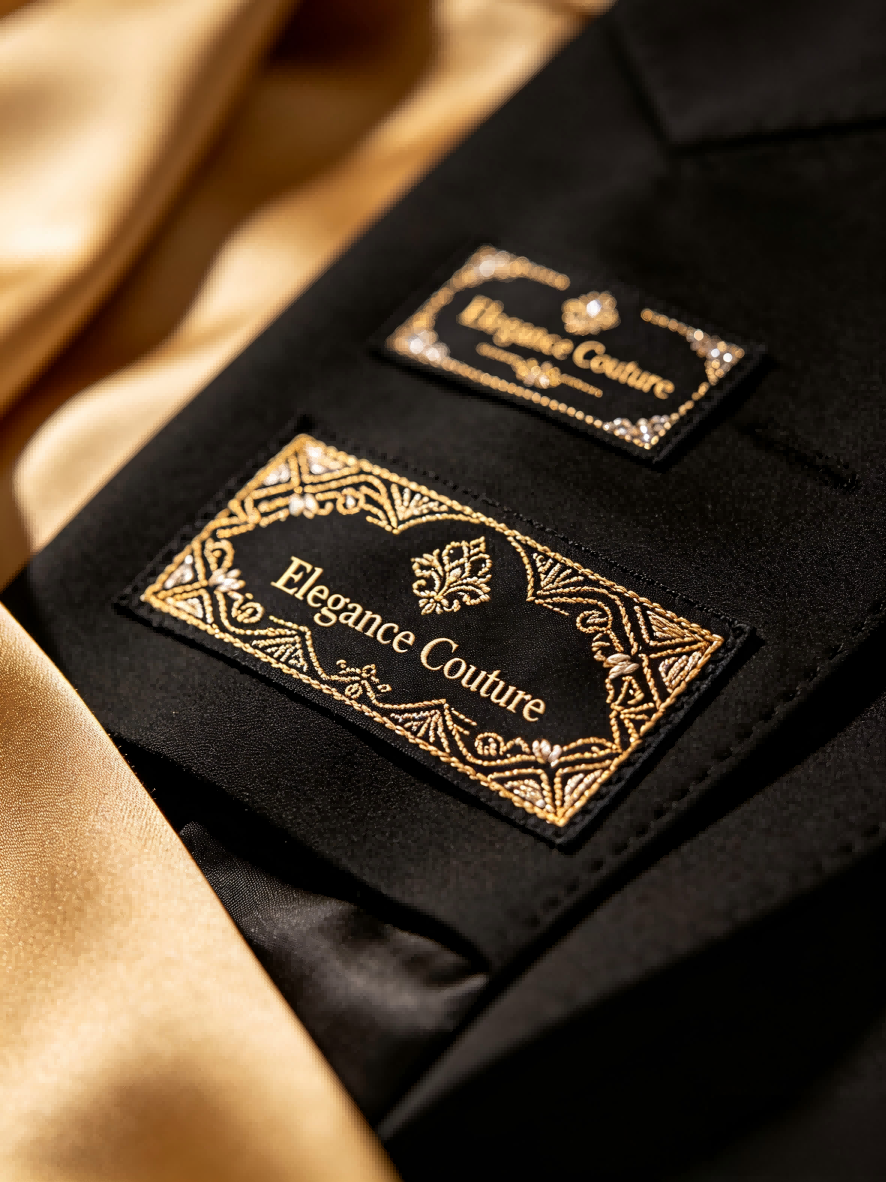
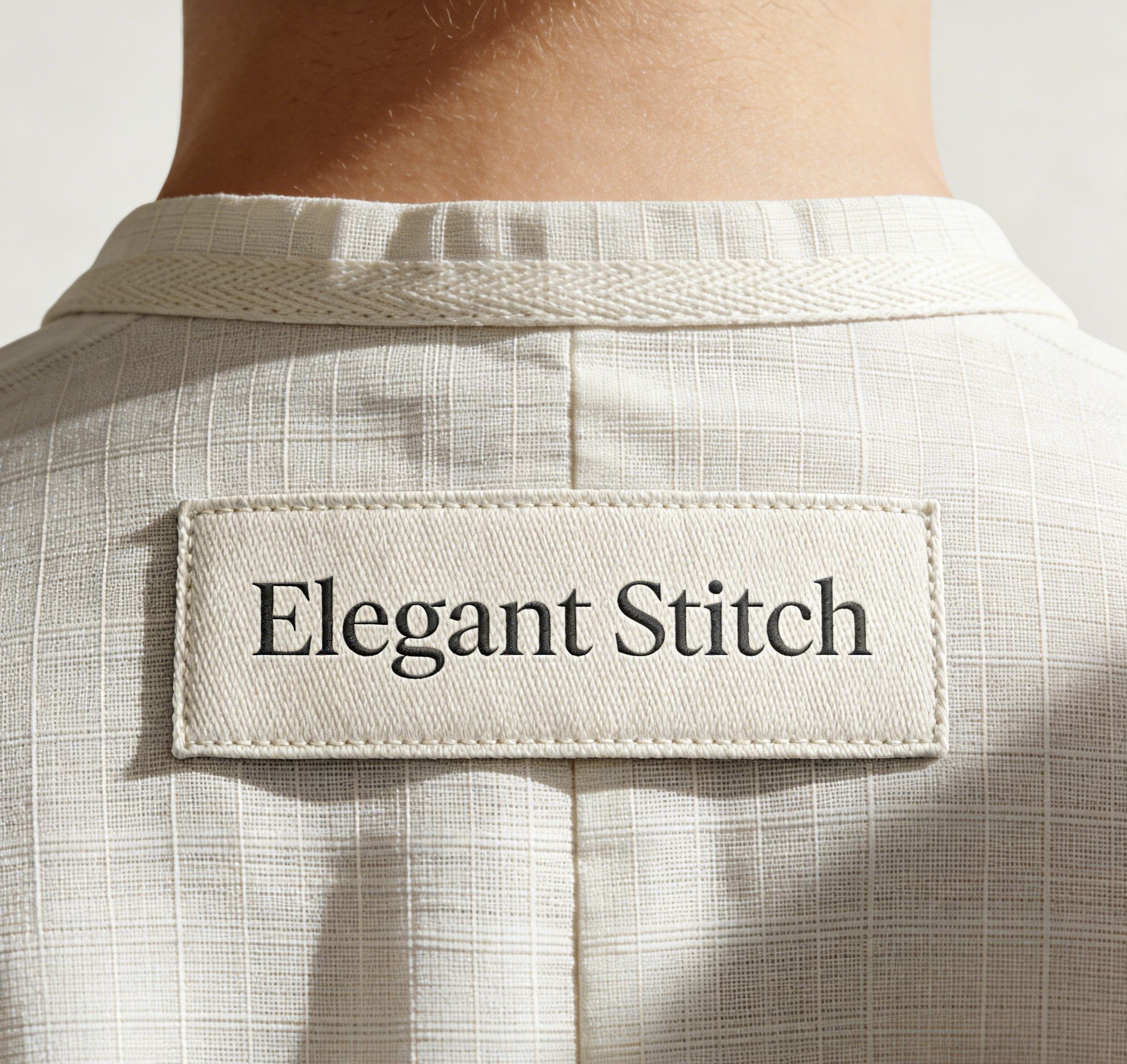
Custom Garment Labels for Branding: These labels often feature your logo, tagline, or brand name. They’re typically placed on the neckline or inside seam of a garment.
-
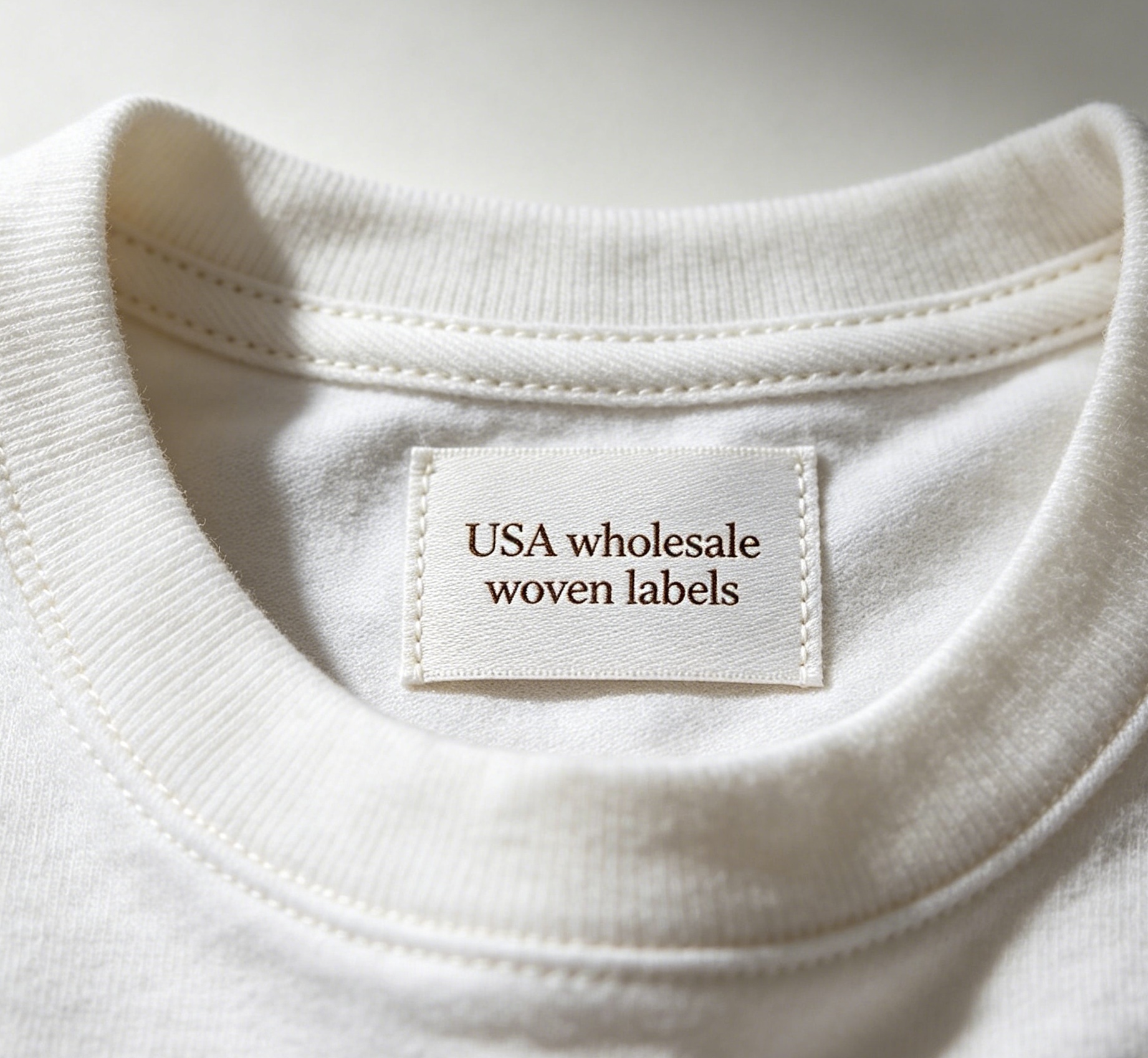
Garment Content Labels: These labels focus on functionality and compliance. They should be clear, concise, and easy to read.
-
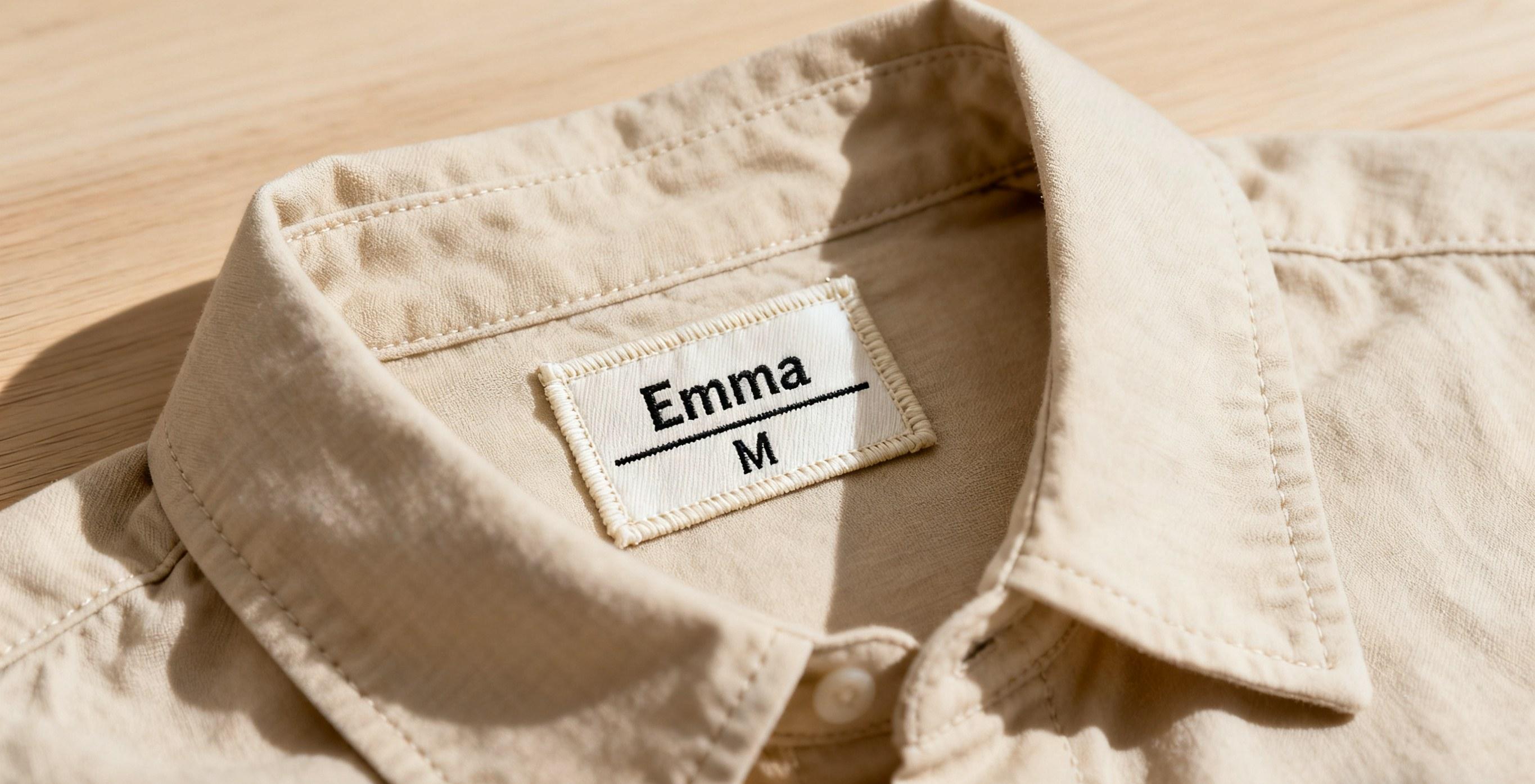
Iron-On Garment Labels: Perfect for DIY projects or small businesses, these labels are easy to apply and offer a professional finish.
Tips for Designing Iron-On Garment Labels
-
Keep It Simple: Iron-on labels should be straightforward and easy to apply. Avoid overly complex designs that may not transfer well.
-
Test Your Design: Before mass-producing, test your iron-on garment labels on different fabrics to ensure they adhere properly.
-
Consider Durability: Choose materials and adhesives that can withstand washing and wear.
Combining Aesthetics and Functionality
The best custom garment labels strike a balance between aesthetics and functionality. For example, you can design a label that combines your brand logo with essential care instructions. This approach not only enhances your brand’s image but also ensures compliance with labeling regulations.
Why Pair Custom Labels with Garment Content Labels?
While custom garment labels focus on branding, garment content labels provide critical information for consumers. Together, they create a cohesive and professional look. For instance, you can use a custom label on the neckline for branding and a content label on the side seam for care instructions.
Conclusion
Designing custom garment labels is an art that requires creativity, attention to detail, and a deep understanding of your brand’s identity. Whether you’re creating iron-on garment labels for a personalized touch or garment content labels for compliance, the right design can elevate your brand and set you apart from the competition.
By investing in high-quality custom garment labels, you’re not just labeling your products—you’re telling your brand’s story. Start designing today and take your brand to the next level!
This blog post is optimized for Google SEO by naturally integrating the keywords throughout the content, using headings, and providing actionable tips for readers. The word count is approximately 600 words, making it concise yet informative.
Why Custom Garment Labels Matter for Small Fashion Brands
Iron On Garment Labels Pros Cons and Application Tips