How to Print Custom Labels for Clothes on Recycled Paper Hangtags
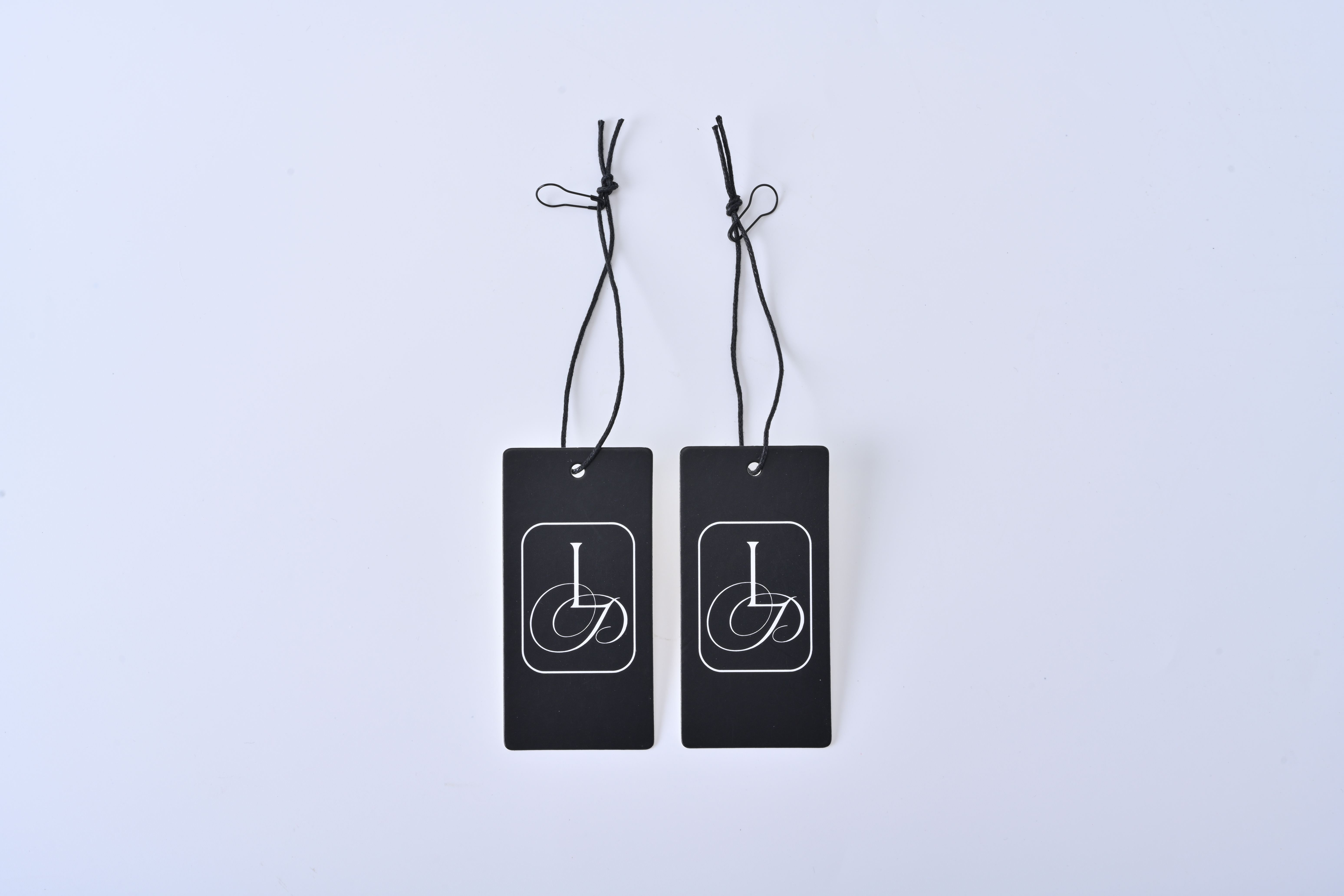
Recycled paper hangtags transform sustainable packaging into storytelling tools for clothing accessories. This guide details professional techniques for printing durable, high-impact labels for clothes on eco-friendly substrates—ensuring compliance and brand excellence without compromising environmental values.
Material Selection Essentials
Choosing optimal recycled paper hangtags requires strategic evaluation:
Paper Specifications
- Post-Consumer Content: Prioritize 100% PCW recycled paper ≥220gsm weight
- Surface Finish: Smooth coatings prevent ink absorption in custom labels for clothes
- Sustainability Certifications: FSC Recycled or Blue Angel certification
- Compatibility Testing: Conduct ink adhesion tests with printer suppliers
Recommended substrate: Favini's Crush (embedding fruit/almond waste fibers) for premium recycled paper hangtags
Advanced Printing Techniques
Digital Printing Advantages
- Short-run customization without plates
- Water-based ECO PASSPORT inks adhering to recycled pulp fibers
- Variable data printing for QR care guides on clothing accessories
- UltraDetail HD technology capturing intricate logos
Offset Printing for Volume
- Soy/vegetable-based inks that won’t compromise recyclability
- Micro-engraved plates for sharp line reproduction
- Perfecting presses for double-sided labels for clothes designs
Special Effects Execution
- Foil Stamping: Cold foil transfers >90% recyclability
- Embossing: Depth retention on textured recycled stock
- Thermochromic Inks: Activated by touch (no PVC content)
- Laser Die-Cutting: Precision shapes with zero material waste
Critical Prepress Considerations
- Bleed & Safety Margins
- Add 3mm bleed beyond trim lines
- Keep critical details 5mm from edges
- File Optimization
- Convert text to outlines
- Embed Pantone references
- Use vector graphics where possible
- Color Proofing
- Request G7 color-managed hard proofs
- Verify CMYK equivalency on target substrate
Industry Insight: "Recycled fibers absorb 12% more ink – compensate with trap settings at 0.3pt to prevent misalignment." – Print Production Director, EcoPress Solutions
Sustainability Integration
Advanced eco-techniques for recycled paper hangtags:
- Waterless Printing: Eliminates dampening system chemicals
- Cradle-to-Cradle Inks: Plant-based pigments that decompose safely
- Process-Free Plates: Removes developer chemicals from workflow
- Closed-Loop Systems: 98% solvent recovery during coating
Case Study: Patagonia’s NFC Hangtag System
Patagonia prints labels for clothes on stone paper (100% recycled) with:
- Soy-based digital printing for dynamic content
- Embedded NFC chips behind printed layers
- Decomposable plant-glue attachment
Result: 68% scan rate activation rate by customers seeking care instructions
Troubleshooting Common Issues
| Problem | Eco-Solution |
|---|---|
| Ink Flaking | Increase substrate corona treatment |
| Color Shift | Use expanded gamut 7-color printing |
| Edge Curling | Humidify paper pre-press |
| Foil Adhesion | Apply nano-bonding primer layers |
| Static Build-up | Install ionizing bars in finishing |
Future Printing Innovations
2025 technologies transforming paper hangtags:
- Algae Bio-Inks: Carbon-negative printing compounds
- Programmable Paper: pH-reactive fiber layers revealing hidden content
- Seed Impregnation: Wildflower seeds embedded within tag layers
- Blockchain QR: Immutable supply chain verification
Actionable Workflow:
- Select recycled paper with ≥98% brightness rating
- Design with 100% biodegradable elements
- Prepress stress-test file on recycled substrate
- Print 5% over quantity for production defects
- Verify disintegration rates via TÜV Austria testing
"Recycled paper hangtags printed with nano-engraved plates yield 83% sharper detail than virgin paper at equal weights." – Sustainable Print Laboratory, RISD
Brand Elevation: Luxury Paper Hangtags for High-End Clothing Accessories
Custom Clothing Labels: Design Unique Garment Tags