Iron On Garment Labels Pros Cons and Application Tips
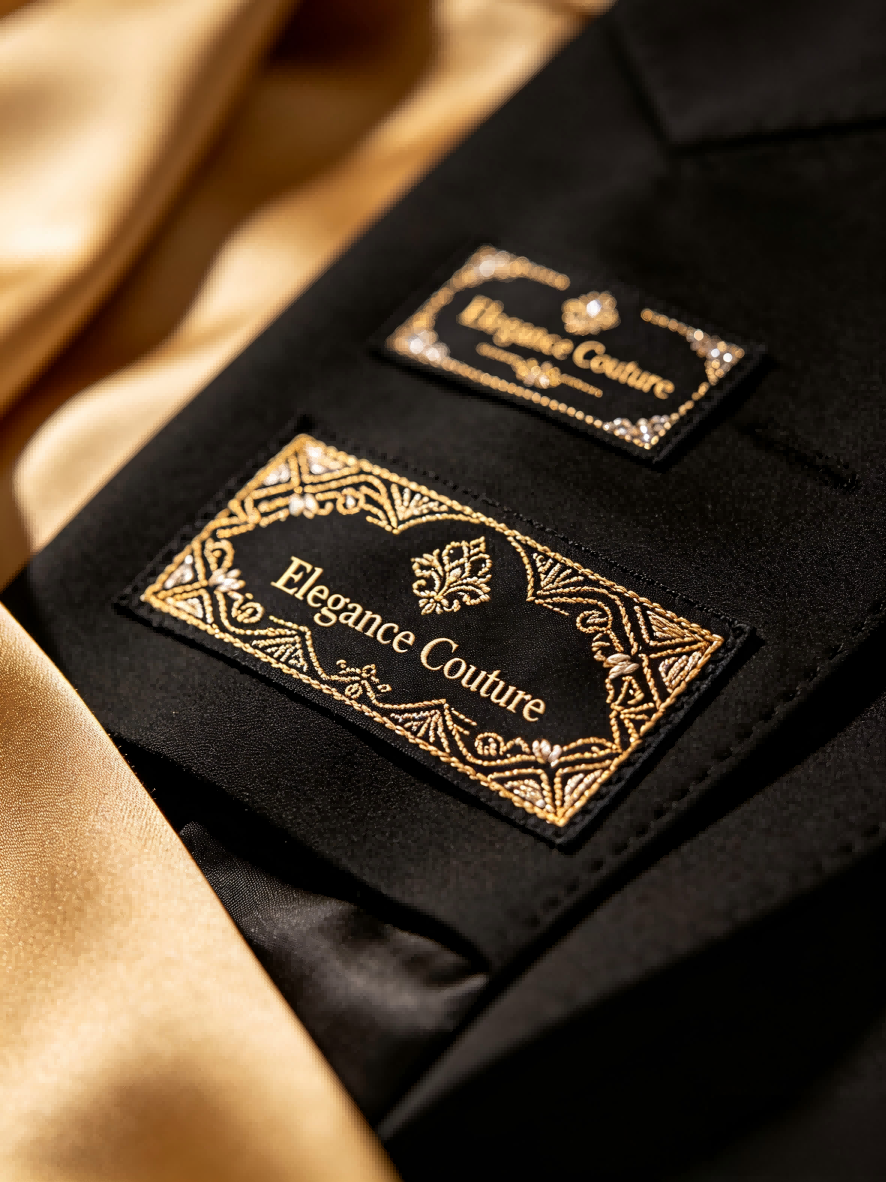
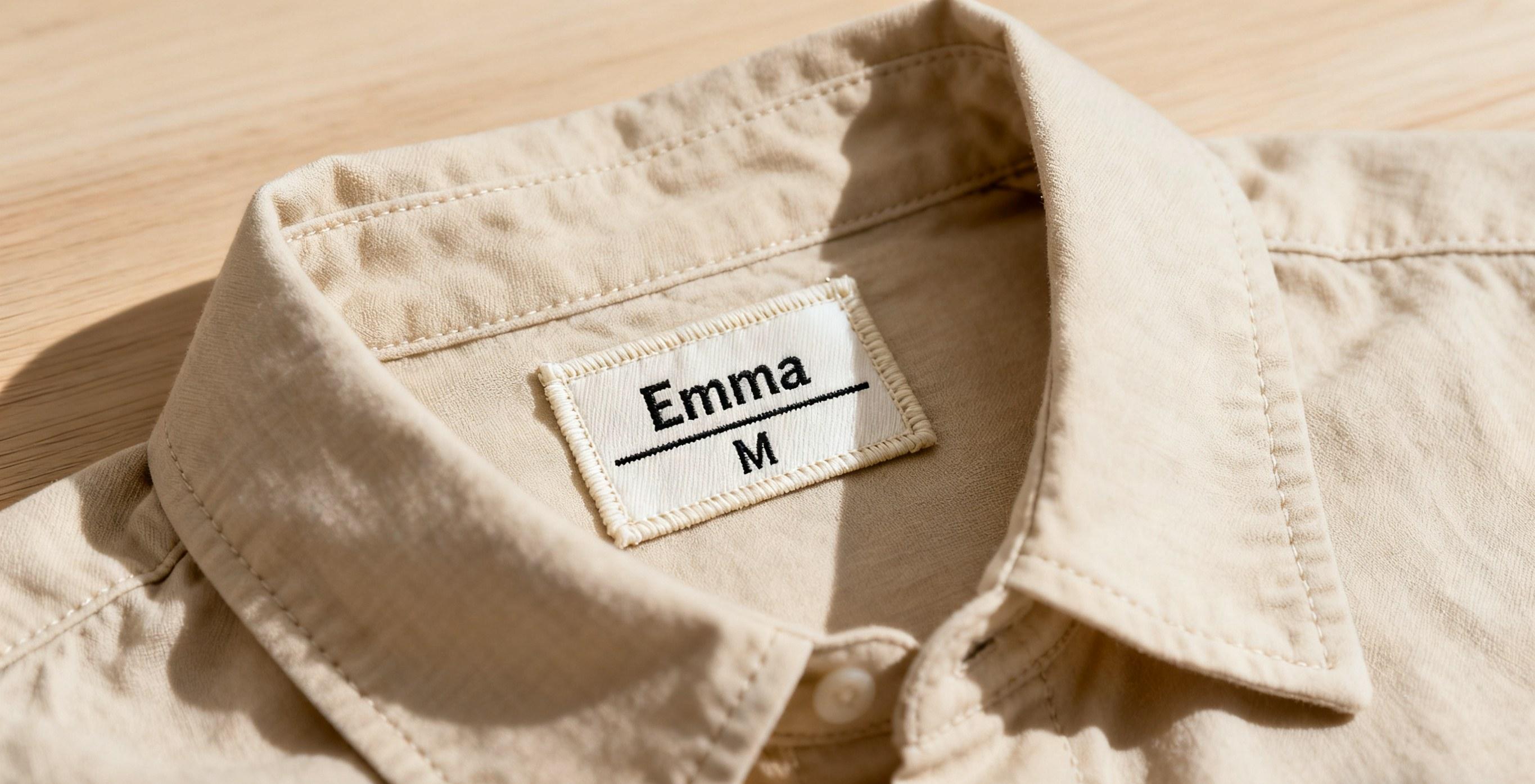
When it comes to branding and labeling your clothing, custom garment labels are a must-have. Among the various types available, iron-on garment labels have gained popularity for their ease of use and professional finish. In this article, we’ll explore the pros and cons of iron-on labels, share application tips, and discuss how they compare to other options like garment content labels.
What Are Iron-On Garment Labels?
Iron-on garment labels are a type of custom garment label that uses heat-activated adhesive to attach to clothing. They are ideal for adding branding, care instructions, or personalization to garments without the need for sewing. These labels often complement garment content labels, which provide essential information about fabric composition and care.
Pros of Iron-On Garment Labels
-
Easy to Apply: No sewing required! Simply use an iron to attach the labels to your clothing.
-
Professional Look: Iron-on labels offer a clean, seamless finish that enhances the appearance of your garments.
-
Customizable: Like other custom garment labels, iron-on labels can be designed to reflect your brand’s unique style.
-
Durable: When applied correctly, iron-on labels are long-lasting and resistant to washing and wear.
Cons of Iron-On Garment Labels
-
Heat Sensitivity: Some fabrics, like delicate synthetics, may not withstand the heat required for application.
-
Limited Repositioning: Once applied, iron-on labels are difficult to remove or reposition without damaging the fabric.
-
Not Ideal for All Garments: Thick or textured fabrics may not adhere well to iron-on labels.
How to Apply Iron-On Garment Labels
-
Prepare Your Iron: Set your iron to the appropriate heat setting for the fabric. Avoid steam settings.
-
Position the Label: Place the label on the garment where you want it to adhere. Use a pressing cloth to protect the label and fabric.
-
Apply Heat: Press the iron firmly on the label for 10-15 seconds. Ensure even pressure for a secure bond.
-
Cool and Test: Allow the label to cool completely before testing its adhesion.
Iron-On Labels vs. Garment Content Labels
While iron-on garment labels are great for branding and personalization, garment content labels serve a different purpose. Content labels are typically sewn into garments and provide essential information about fabric composition, care instructions, and country of origin. Combining both types of labels ensures your garments are both stylish and compliant with industry regulations.
Why Choose Custom Garment Labels?
Whether you opt for iron-on or sewn labels, custom garment labels are a powerful branding tool. They help establish your brand identity, build customer trust, and add a professional touch to your products. For small businesses and DIY enthusiasts, iron-on labels are a cost-effective and efficient solution.
Conclusion
Iron-on garment labels offer a convenient and stylish way to brand your clothing, but they’re not without limitations. By understanding their pros and cons and following proper application techniques, you can create high-quality garments that stand out. Pair them with garment content labels to ensure compliance and provide customers with the information they need. Whether you’re a fashion brand or a DIY crafter, custom garment labels are an essential part of your toolkit.
By incorporating custom garment labels, garment content labels, and iron-on garment labels into your designs, you can create garments that are both beautiful and functional. Start exploring your options today and elevate your brand with the perfect labels!
This blog post is optimized for Google SEO by naturally integrating the keywords throughout the content, using headings, and providing valuable information for readers. The word count is approximately 600 words, making it concise yet informative.
How to Design Custom Garment Labels That Elevate Your Brand
Why Custom Garment Hang Tags Boost Brand Identity