Compliance Guide: Mandatory Information on Garment Content Labels
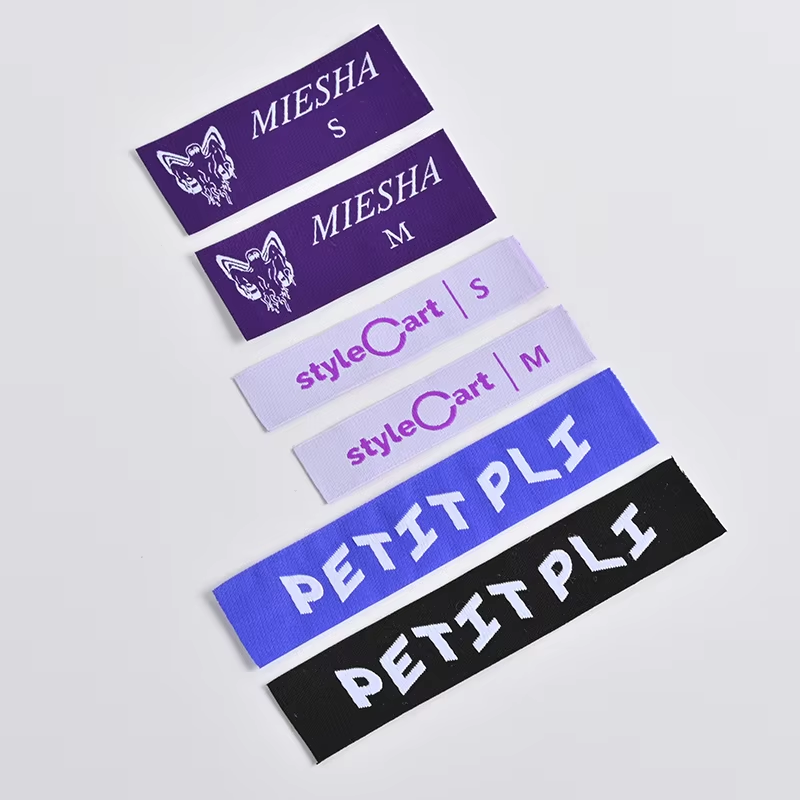
The fashion industry operates across borders, but compliance with garment content labels is non-negotiable. From iron-on garment labels to custom garment labels, brands and DIYers must adhere to regional regulations to avoid legal issues, fines, or reputational damage. This guide breaks down global rules, shares practical tips, and highlights creative ways to balance compliance with design.
1. Key Global Regulations for Garment Content Labels
Most countries mandate clear labeling to inform consumers about materials, care instructions, and origin. Here’s a snapshot of major requirements:
EU (EU 1007/2009)
- Label Placement: Must be sewn, glued, or attached via iron-on garment labels to visible areas (e.g., collar, sleeve, or back).
- Content: Include fabric composition (e.g., “100% Cotton”), washing codes, and country of origin.
- Eco-Friendly Tip: Use custom garment labels printed on recycled materials to align with EU sustainability goals.
USA (FTC Rules)
- Label Requirements: Include care symbols, material breakdown, and manufacturer details.
- Iron-On Flexibility: Iron-on garment labels are acceptable if they’re durable and securely attached.
- Pro Tip: Avoid misleading terms like “organic” unless certified.
China (GB/T 5296.4)
- Mandatory Details: Fabric type, washing methods, and product name.
- Language: Labels must be in Chinese or paired with English.
- Cost-Effective Solution: Use bulk-printed garment content labels for affordability.
Australia (AS 2072)
- Minimum Information: Material percentages, care instructions, and importer/exporter details.
- Design Freedom: Custom garment labels can blend with Australian minimalist aesthetics (e.g., neutral tones).
2. Designing Iron-On Labels That Meet Global Standards
To ensure compliance while maintaining style:
1. Prioritize Clarity Over Creativity
- Garment Content Labels: Keep text legible and use universal symbols (e.g., washing icons).
- Iron-On Labels: Choose opaque or reflective finishes to withstand wear and washing.
2. Adapt to Regional Preferences
- Europe: Focus on eco-certifications (e.g., Bluesign®) to appeal to conscious consumers.
- Asia: Incorporate subtle branding on custom garment labels to stand out in crowded markets.
3. Use Technology to Simplify Compliance
- QR Codes: Embed scannable labels to provide digital content (e.g., full material transparency reports).
- NFC Tags: Pair with iron-on garment labels for tap-to-access regulatory details.
3. Cost-Effective and Sustainable Label Solutions
Balancing compliance with budget and sustainability:
1. Bulk Printing for Multiple Markets
Order garment content labels in bulk to cover different regions. Print multiple language versions or reversible designs.
2. Eco-Friendly Materials
- Choose iron-on labels made from recycled polyester or biodegradable adhesives.
- Use soy-based or vegetable ink for printing to reduce environmental impact.
3. DIY vs. Outsourcing
- DIY: Design labels with Canva or Adobe Illustrator, then print at home using eco-friendly transfer paper.
- Outsource: Partner with printers specializing in global labels.
Why Compliance Matters
- Legal Protection: Avoid fines or recalls by meeting regional regulations.
- Consumer Trust: Transparent labeling builds credibility with eco-conscious and ethical buyers.
- Market Access: Compliance opens doors to international markets like the EU and Asia.
Final Tips for Success
- Research Local Laws: Use resources like the EU’s Textile Regulation Database or consult legal experts.
- Test Labels: Iron samples on scrap fabric to ensure durability and adherence.
- Leverage SEO: Include keywords like iron-on garment labels, garment content labels, and custom garment labels in headers, meta descriptions, and alt text for images.
- Stay Updated: Regulations evolve—subscribe to industry newsletters or follow government updates.
By understanding global garment content label requirements and creatively integrating iron-on garment labels and custom garment labels, you can build a brand that thrives legally, sustainably, and stylishly. Whether you’re crafting DIY projects or scaling a fashion business, compliance is key to unlocking international opportunities.
Personalization Trends: Custom Garment Labels for Luxury Retailers
Aesthetic and Functional: Designing Iron-On Labels for Men’s Wear