Iron-On vs. Sewn-in Labels: Pros and Cons for Clothing Brands
In the world of clothing branding, labeling is more than functional—it’s a strategic tool for differentiation, compliance, and storytelling. Two popular labeling options dominate the market: iron on garment labels and sewn-in labels. Each offers unique benefits and drawbacks depending on your brand’s needs. In this post, we’ll dissect the pros and cons of both, focusing on how they impact garment content labels and custom garment labels, while integrating keywords like iron on garment labels, garment content labels, and custom garment labels for SEO success.
1. Iron-On Garment Labels: Flexibility Meets Affordability
Pros:
- Cost-Effective: Ideal for small businesses or seasonal collections due to low upfront costs.
- Design Freedom: Easily customize iron on garment labels with UV printing, foils, or embroidery to match your custom garment label aesthetic.
- Quick Application: Perfect for last-minute design changes without retooling sewing equipment.
Cons:
- Durability Risks: May crack, peel, or fade over time, especially with frequent washing.
- Damage to Fabrics: High heat or aggressive ironing can harm delicate materials.
Best For:
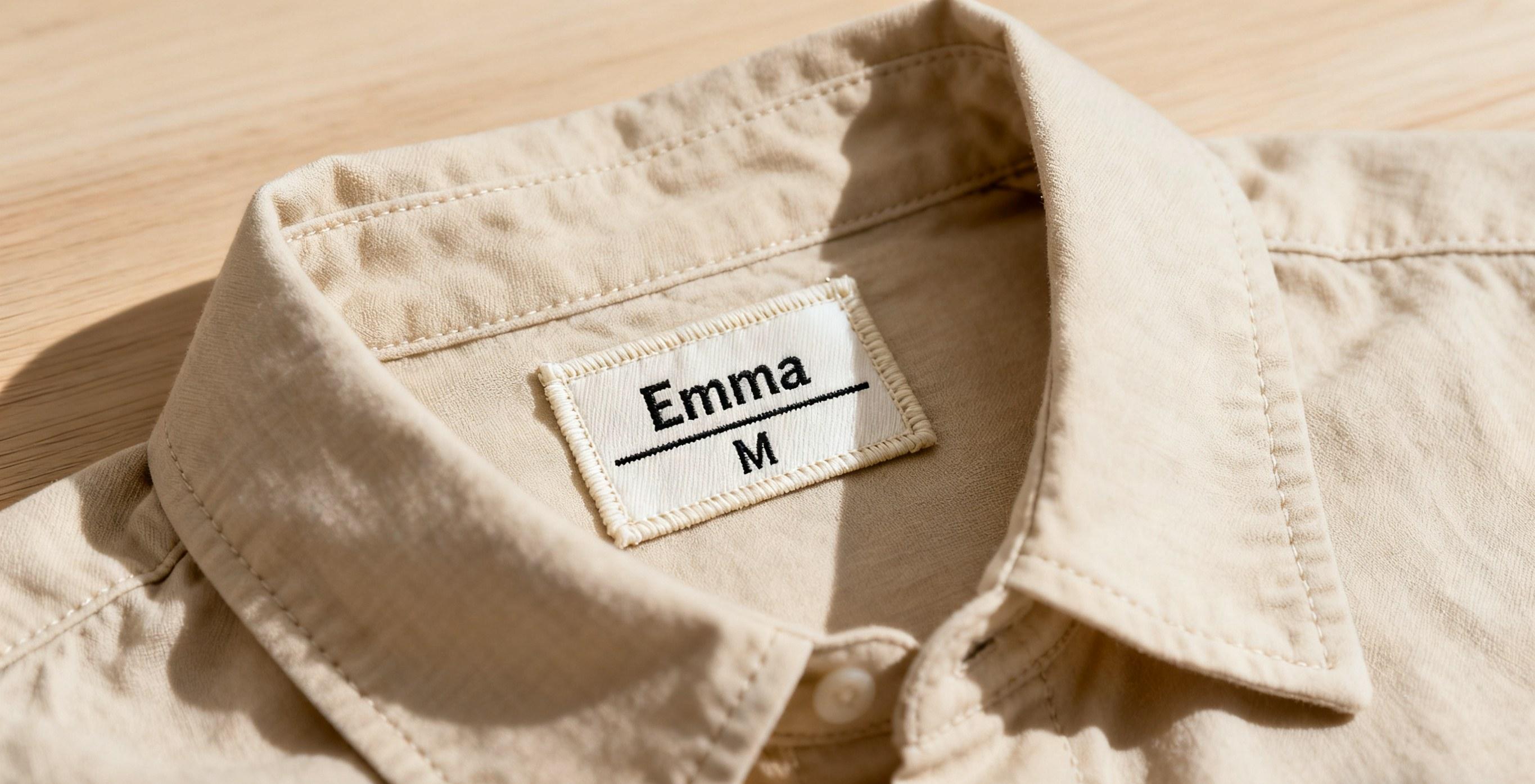
- Garment Content Labels: Providing care instructions or certifications (e.g., “GOTS Certified”) on eco-friendly brands.
- Temporary Promotions: Seasonal discounts or limited-edition products where longevity isn’t critical.
2. Sewn-in Labels: Timeless Quality and Trust
Pros:
- Durability: Built to last, withstanding years of wear and washing.
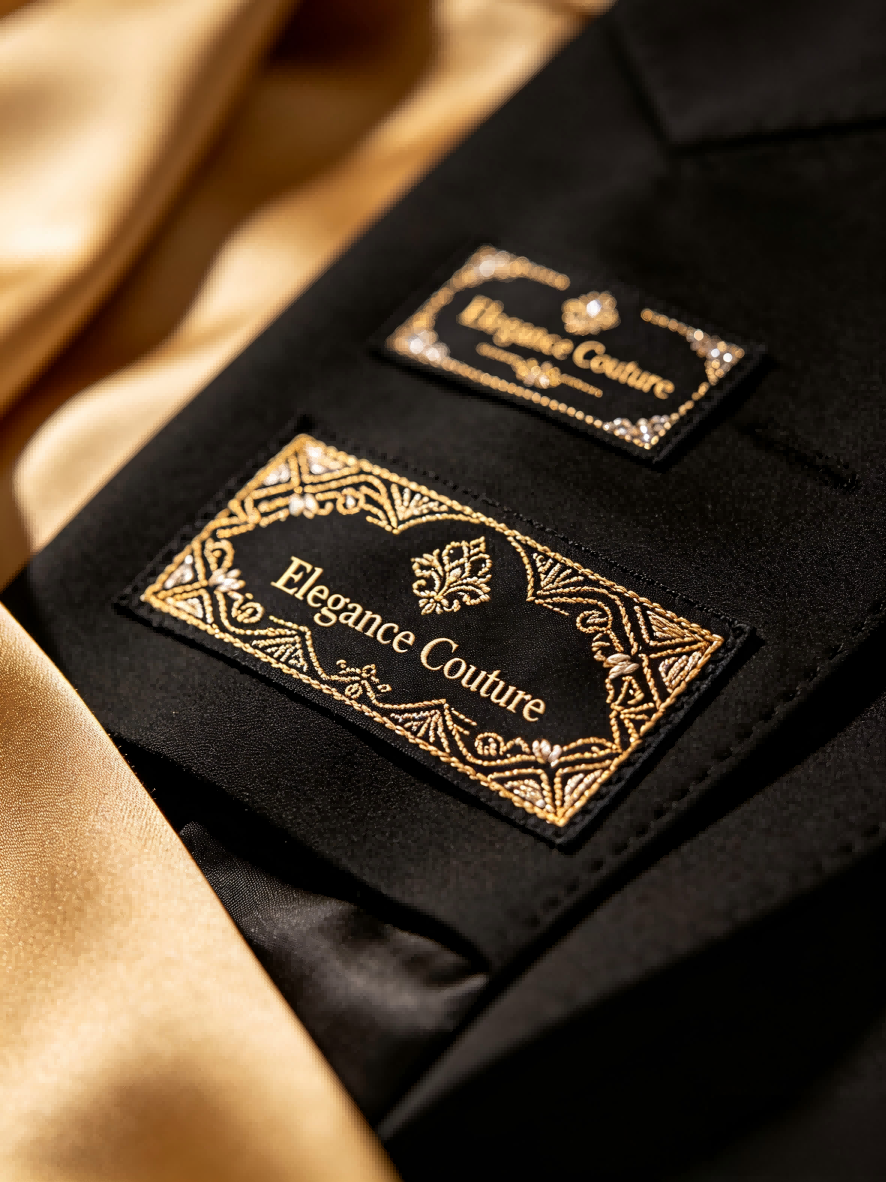
- Professional Appearance: Conveys luxury and permanence, ideal for high-end custom garment labels.
- Compliance Confidence: Meets strict regulations (e.g., EU REACH) for permanent labeling.
Cons:
- High Production Costs: Requires specialized machinery and longer lead times.
- Limited Design Flexibility: Difficult to alter once sewn, making frequent updates costly.
Best For:
- Luxury Retailers: Elevating brand prestige with sewn-in labels featuring intricate embroidery or metallic thread.
- Permanent Product Information: Required compliance details like fabric composition or care instructions.
Key Considerations for Choosing Between Iron-On and Sewn-In Labels
1. Brand Goals
- Iron-On: Prioritize affordability and agility for startups or seasonal campaigns.
- Sewn-In: Invest in long-term brand credibility for luxury or eco-conscious audiences.
2. Label Content
- Garment Content Labels: Use iron on labels for temporary info like care instructions.
- Custom Garment Labels: Opt for sewn-in labels for permanent branding elements like logos or storytelling text.
3. Material Compatibility
- Iron-On: Avoid delicate fabrics like silk or stretchy knits.
- Sewn-In: Works seamlessly with all materials but requires precise stitching.
Case Study: A Brand’s Success Story
Brand: EcoLux (luxury vegan fashion)
- Challenge: Needed durable labels that aligned with its eco-friendly mission.
- Solution: Switched to sewn-in labels made from recycled polyester thread and organic cotton.
- Result: Customer retention increased by 20%, and reviews highlighted the “sustainable, high-quality feel” of the labels.
SEO-Optimized Design Tips
-
Keyword Integration:
- Include iron on garment labels (4–5 times), garment content labels (3–4 times), and custom garment labels (2–3 times) in headers, subheaders, and body text.
- Example: “Why sewn-in labels are better for permanent garment content labels.”
-
Image Optimization:
- Upload images named “Iron-On-vs-Sewn-In-Labels.jpg” with alt text like “Comparison of iron-on and sewn-in garment labels on denim jeans.”
-
Internal Linking:
- Link to related posts (e.g., “How to Design Custom Garment Labels That Stand Out”) for cross-promotion.
-
Mobile Optimization:
- Ensure QR codes (if included) and text are scannable on mobile devices.
Final Checklist for Choosing Your Labels
- Define Your Priorities: Cost, durability, or brand prestige?
- Assess Content Needs: Temporary vs. permanent labeling requirements.
- Test Materials: Request samples of iron on garment labels or sewn-in labels to evaluate quality.
- Align with Compliance: Verify labels meet regional regulations for garment content labels.
Compliance Guide: Mandatory Information on Garment Content Labels
Custom Garment Labels: Design Tips for Standout Branding