Hanging Tag Attachment Methods: Sewn vs Adhesive
When it comes to branding and product information, hang tags on clothing play a pivotal role. These small yet impactful accessories, especially kraft hang tags, serve as silent salespeople, conveying brand values, care instructions, and style details. However, attaching a hanging tag securely and aesthetically requires careful consideration of methods. Two popular techniques dominate the industry: sewn and adhesive attachment. This article explores both methods, their pros and cons, and why kraft hang tags are a versatile choice for clothing brands.
Why Hang Tags on Clothing Matter
Hang tags on clothing are more than just labels—they’re branding tools. A well-designed kraft hang tag elevates a product’s perceived value, communicates sustainability (especially when using recycled materials), and helps customers make informed decisions. Whether you’re a luxury brand or an eco-conscious startup, the attachment method for your hanging tag can influence durability, aesthetics, and cost.
Method 1: Sewn Hang Tags
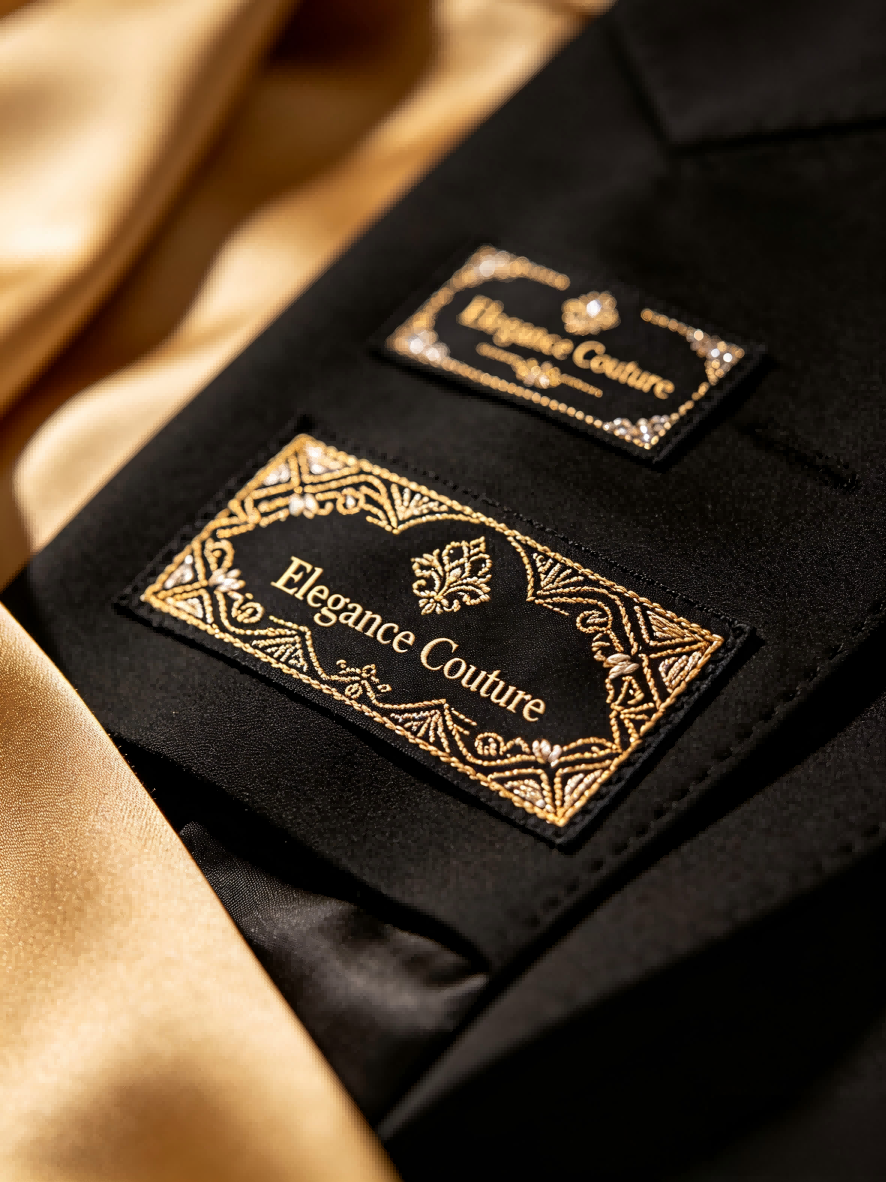
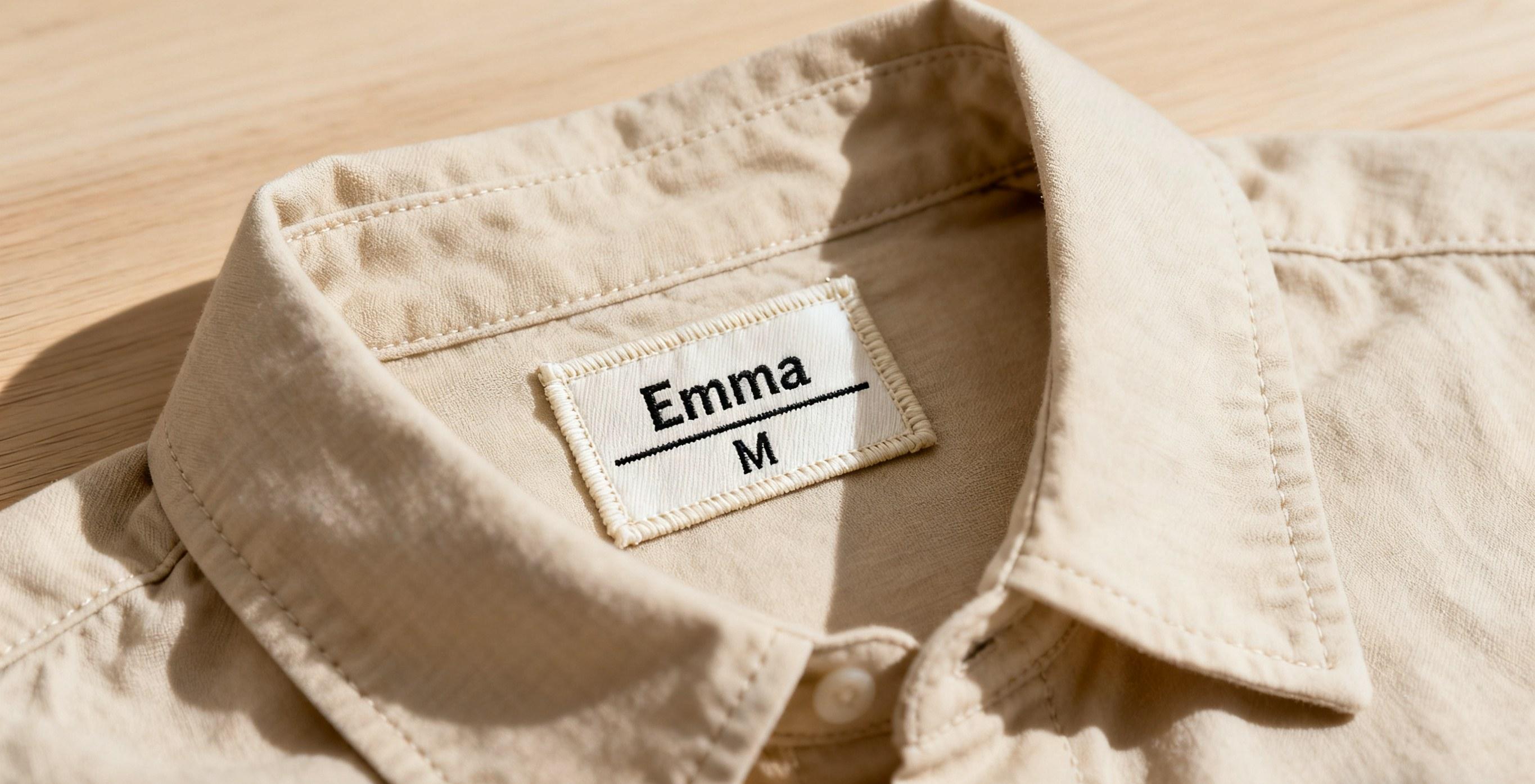
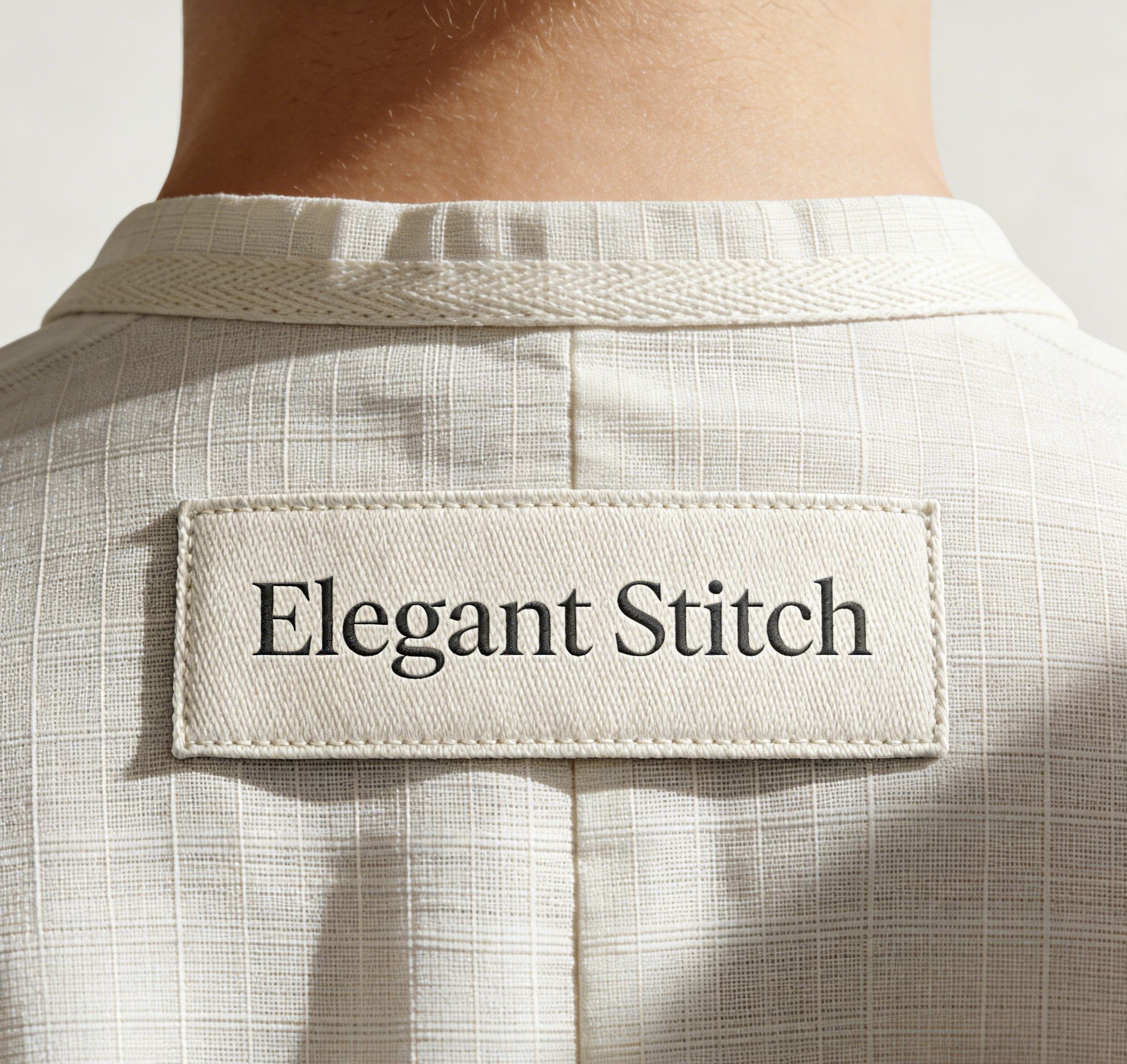
Sewn hang tags are stitched directly onto garments using thread, often near seams or hems. This method is widely used for kraft hang tags due to its reliability.
Pros of Sewn Attachment
- Durability: Ideal for hang tags on clothing that undergo frequent handling, washing, or wear. Sewn tags stay intact even after multiple laundry cycles.
- Premium Aesthetic: Adds a tactile, handcrafted feel, perfect for luxury brands or kraft hang tags with minimalist designs.
- Material Compatibility: Works seamlessly with fabrics, denim, and leather, avoiding damage from adhesives.
- Reusability: Tags can be removed and reattached without residue, useful for returns or repairs.
Cons of Sewn Attachment
- Higher Labor Costs: Requires skilled stitching, increasing production time and expenses.
- Visible Holes: Removing sewn hanging tags may leave tiny punctures on delicate fabrics.
- Placement Limits: Typically restricted to seams or reinforced areas for structural integrity.
Best For: High-end apparel, reusable garments, or brands prioritizing longevity (e.g., denim jackets, organic cotton tees).
Method 2: Adhesive Hang Tags
Adhesive attachment uses glue, heat-activated tape, or stickers to fix kraft hang tags onto clothing. This method is rising in popularity for its efficiency.
Pros of Adhesive Attachment
- Cost-Effective: Faster and cheaper to apply, ideal for bulk orders of hang tags on clothing.
- Discreet Finish: No visible threads or holes; adhesive works well for smooth surfaces like plastic or coated kraft hang tags.
- Flexible Placement: Tags can be attached anywhere, even on non-textile items like accessories.
- No Specialized Labor: Automated machines streamline the process, reducing human error.
Cons of Adhesive Attachment
- Durability Risks: Adhesives may weaken over time, especially in humid conditions or after washing.
- Residue Concerns: Removing tags could leave sticky marks, damaging delicate fabrics or kraft hang tags.
- Material Limitations: Not suitable for heat-sensitive materials or textured surfaces.
Best For: Fast fashion, seasonal collections, or lightweight garments where quick application is key.
Kraft Hang Tags: The Eco-Friendly Choice
Kraft hang tags are a favorite among sustainable brands. Made from unbleached, recycled paper, they align with eco-conscious values while offering a rustic, natural look. Whether sewn or adhesive-attached, kraft hang tags pair well with both methods:
- Sewn Kraft Tags: Enhance durability for long-lasting garments like outerwear or bags.
- Adhesive Kraft Tags: Use eco-friendly glue options to maintain sustainability credentials.
Choosing Between Sewn and Adhesive Hang Tags on Clothing
Consider these factors when deciding:
- Product Type: Delicate fabrics may favor adhesive, while rugged items benefit from stitching.
- Budget: Adhesive is cheaper upfront, but sewn tags offer long-term value.
- Brand Image: Sewn kraft hang tags signal craftsmanship; adhesives suit modern, minimalist brands.
- Sustainability: Ensure adhesives are non-toxic if using kraft hang tags to avoid contradicting eco-messaging.
Conclusion
The choice between sewn and adhesive methods for hang tags on clothing hinges on your brand’s priorities. Sewn tags deliver durability and luxury, while adhesives offer cost efficiency and flexibility. Regardless of the method, kraft hang tags remain a timeless, eco-conscious option that resonates with today’s consumers. By aligning your hanging tag strategy with your brand values, you’ll create a cohesive, memorable unboxing experience.
Kraft Hang Tags: GSM Weight Guide for Different Fabrics
Hang Tags on Clothing: Brand Recognition Measurement Tools Technical Guides