Product Hang Tags: Add QR Codes for Seamless Engagement
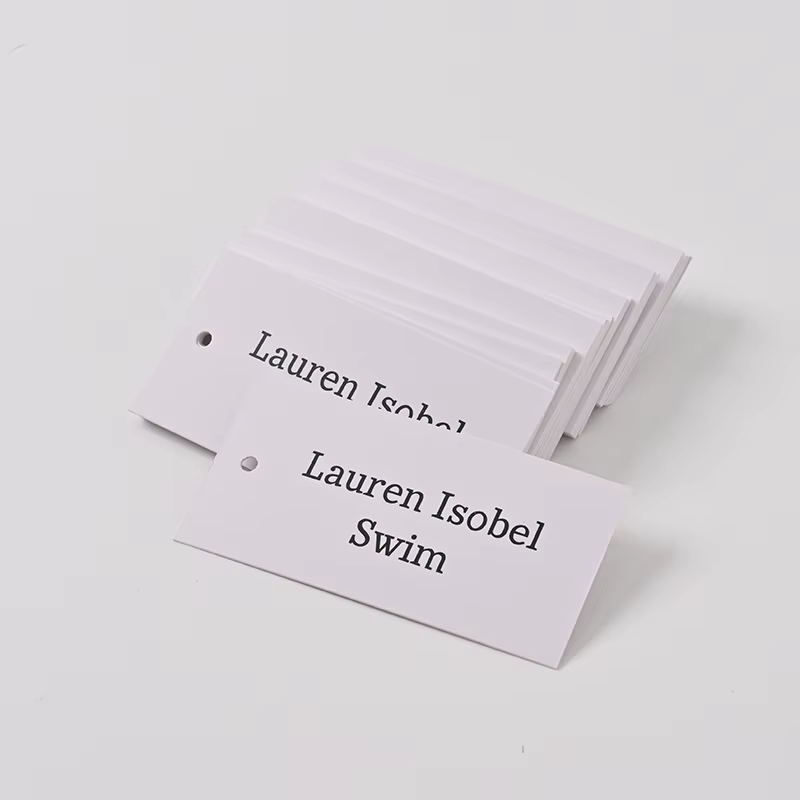
In the digital age, consumers expect brands to offer convenient, tech-driven experiences. Product hang tags are no exception—adding QR codes to these labels can bridge the gap between offline and online interactions, fostering engagement and loyalty. Pair this innovation with hanging price tags and hanging name tags, and you’ll create a cohesive strategy that educates, entertains, and converts customers.
Why QR Codes on Product Hang Tags Matter
QR codes (quick response codes) are more than just a trend—they’re a practical tool for brands looking to:
- Enhance Customer Experience: Direct shoppers to product tutorials, reviews, or exclusive offers.
- Drive Sales: Link QR codes to limited-time deals or loyalty programs.
- Build Brand Authority: Share stories about sourcing, craftsmanship, or sustainability.
When integrated with hanging price tags and hanging name tags, QR codes add a layer of interactivity that sets your products apart.
How to Design QR Code-Inclusive Product Hang Tags
1. Choose the Right Placement
- Hanging Price Tags: Place QR codes near prices to offer instant discounts or product comparisons.
- Hanging Name Tags: Attach QR codes to labels identifying products, linking to detailed profiles or user reviews.
Example: A luxury watch brand included QR codes on hanging name tags that directed customers to a video showcasing the timepiece’s engineering.
2. Prioritize Scannability
- Size: Ensure QR codes are large enough (at least 1.5 cm x 1.5 cm) for easy scanning.
- Contrast: Use high-contrast colors to avoid scanning errors.
- Angle: Position codes where customers will naturally interact with the product (e.g., near the price point).
3. Pair with Hanging Price Tags and Hanging Name Tags**
- For hanging price tags****: Combine QR codes with dynamic pricing or regional discounts.
- For hanging name tags****: Use them to tell brand stories or highlight product certifications.
Pro Tip: Use eco-friendly materials for QR code labels to appeal to sustainability-focused audiences.
Case Study: QR Codes Boost Engagement
A vegan skincare brand revamped its product hang tags with QR codes linking to “How-to” videos:
- Design: Each hanging name tag featured a plantable seed paper QR code that educated customers on eco-friendly ingredients.
- Result: Social media engagement rose by 40%, and repeat purchases increased by 25%.
Avoid Common Mistakes
- Overcomplicating Content: Keep QR code links simple—direct to a single page or action.
- Ignoring Mobile Optimization: Test QR codes on multiple devices to ensure compatibility.
- Neglecting Security: Use reputable QR generators to avoid phishing risks.
Why This Works for Your Brand
- Cost-Effective: Printing QR codes is inexpensive and scalable.
- Competitive Edge: Stand out in crowded markets by offering tech-driven value.
- Data Insights: Track QR code scans to gain insights into customer behavior.
Conclusion: QR Codes + Product Hang Tags = Future-Proof Branding
By integrating QR codes into product hang tags, hanging price tags, and hanging name tags, you create a seamless bridge between physical products and digital experiences. This approach not only boosts engagement but also reinforces your brand’s modernity and customer-centric ethos.
Circle Hang Tags: Elevate Luxury Packaging with Unique Shapes
Avery Hang Tags vs. Custom Shapes: Which Fits Your Budget?