Digital vs. Offset Printing: Best Methods for Print Hang Tags
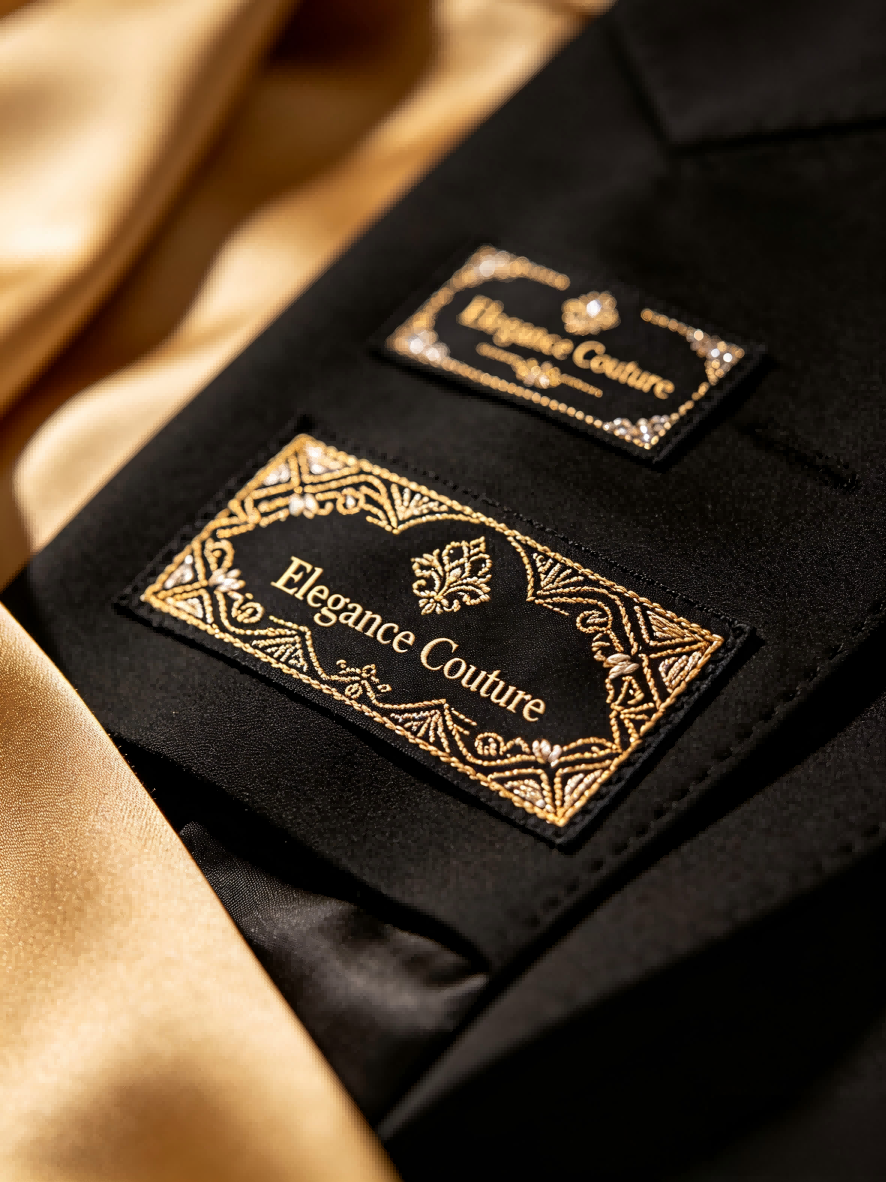
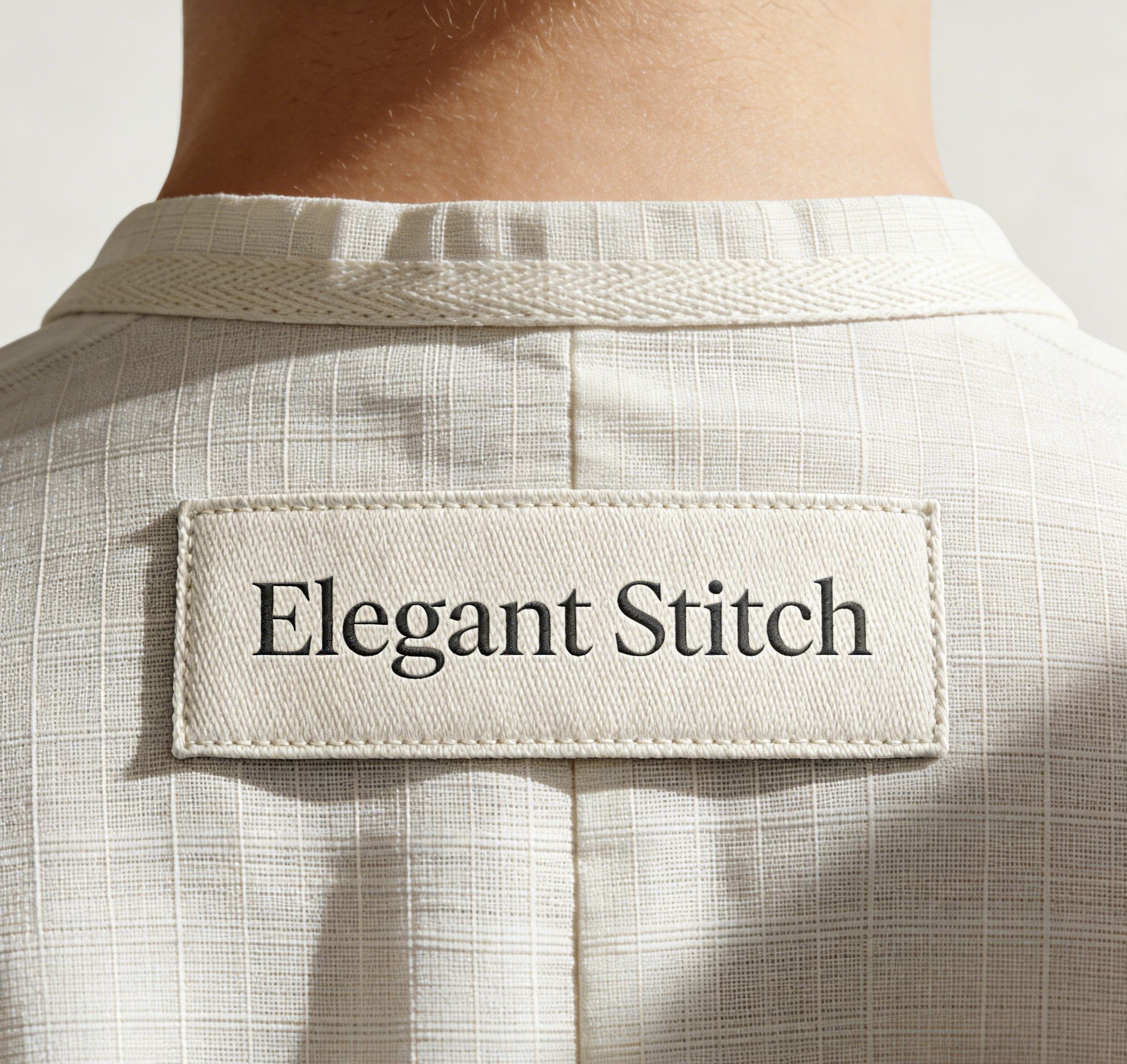
In the world of luxury hang tags, every detail—down to the printing method—plays a pivotal role in conveying exclusivity and craftsmanship. Whether you’re producing sleek print hang tags for a high-end fashion label or experimenting with eye-catching round hang tags for artisanal jewelry, the choice between digital and offset printing can make or break your brand’s premium appeal. This guide explores the strengths, limitations, and ideal applications of both techniques, helping you decide which aligns best with your luxury hang tags strategy.
Offset Printing: Precision for Timeless Elegance
Offset printing, a traditional method using etched metal plates, has long been the gold standard for luxury hang tags. Renowned for its unmatched color accuracy and consistency, this technique excels in capturing intricate details and rich textures.
Why Choose Offset for Print Hang Tags?
- Pantone-Perfect Color Matching: Ideal for brands requiring exact hues, such as Tiffany Blue or Cartier Red, offset ensures print hang tags reflect your signature palette flawlessly.
- Material Versatility: From thick, textured cotton paper to metallic substrates, offset handles diverse materials commonly used for luxury hang tags without compromising print quality.
- Durability: The ink bonds deeply with the paper, making it resistant to fading—a critical feature for round hang tags on products exposed to handling or light.
Offset printing shines for large batches (1,000+ units) of luxury hang tags, where economies of scale reduce costs. It’s also the go-to for complex finishes like embossing, foil stamping, or edge gilding, which demand precise alignment. For round hang tags, offset ensures crisp, uninterrupted designs even on curved edges, avoiding the misalignment risks seen in digital methods.
Case Study: A Parisian perfume house uses offset printing to apply rose gold foil accents on round hang tags, achieving a 98% color consistency across 15,000 units. The tags’ tactile elegance contributed to a 25% increase in unboxing video shares on social media.
Digital Printing: Agility for Modern Luxury
Digital printing, which applies ink directly via laser or inkjet technology, offers unparalleled flexibility for brands prioritizing speed and customization. This method is ideal for print hang tags in fast-paced industries like limited-edition fashion or seasonal jewelry collections.
Why Choose Digital for Luxury Hang Tags?
- Quick Turnaround: With no need for plate setups, digital printing delivers luxury hang tags in days, not weeks—perfect for last-minute launches or small batches.
- Variable Data Capabilities: Personalize each tag with unique QR codes, serial numbers, or customer names, adding exclusivity to round hang tags or print hang tags.
- Cost-Effective Prototyping: Test new designs risk-free. For instance, a jewelry brand can print 50 round hang tags with holographic effects before committing to offset’s higher minimums.
Digital printing thrives on smoother, lighter-weight papers (under 300 gsm), making it suitable for minimalist luxury hang tags with photorealistic imagery or gradients. However, it may struggle with ultra-thick stocks or heavily textured materials often used for round hang tags, as ink adhesion can be less consistent.
Case Study: A sustainable fashion brand uses digital printing to create print hang tags with biodegradable soy inks and QR codes linking to garment origins. The eco-friendly approach boosted customer trust, resulting in a 30% rise in repeat purchases.
Key Considerations: Choosing Between Digital and Offset
- Volume & Budget: Offset suits high-volume orders of luxury hang tags, lowering per-unit costs. Digital is cost-effective for small runs but becomes pricier at scale.
- Design Complexity: Offset handles metallic inks, embossing, and fine details effortlessly. Digital excels at vibrant, high-resolution images but may falter with specialty finishes.
- Material Compatibility: Offset works best with textured or heavyweight stocks for round hang tags, while digital favors smoother surfaces.
- Sustainability: Digital’s minimal waste (no plate chemicals) appeals to eco-conscious brands, though offset’s longevity can justify its environmental footprint for timeless luxury hang tags.
3 Common Mistakes to Avoid
- Ignoring Proof Testing: Always request a physical proof, especially for round hang tags, to check color alignment and finish quality.
- Overlooking Finish Timing: Foil stamping or embossing must be done after digital printing, while offset allows simultaneous application.
- Mismatching Methods: Using digital for intricate gold foil on luxury hang tags may yield duller results compared to offset’s metallic brilliance.
Conclusion: Elevate Your Brand with the Right Print Strategy
The choice between digital and offset printing hinges on your luxury hang tags goals. Offset delivers unmatched precision for heritage brands crafting heirloom-quality print hang tags or round hang tags, while digital empowers agile, personalized campaigns. For many luxury labels, a hybrid approach—using offset for base designs and digital for variable elements—offers the best of both worlds.
Final Takeaway: Partner with a printer experienced in both techniques. Test samples: a digitally printed round hang tag might surprise with its sharpness, while offset could elevate your luxury hang tags to gallery-worthy artistry. In luxury, where perception is reality, the right print method doesn’t just inform—it inspires.
How to Design Print Hang Tags That Drive Customer Engagement
Print Hang Tags 101: Choosing the Right Paper Weight