The Role of Custom Apparel Hang Tags in Fashion and Retail Branding
Introduction
In the apparel and retail industry, hang tags serve as more than just price labels. They act as a bridge between the product and the customer, carrying essential details while communicating the brand’s identity. Choosing the right type of hang tag and focusing on effective garment hang tag design can influence how consumers perceive your products and your brand overall. From custom apparel hang tags to t shirt hang tags, businesses can use these small but impactful tools to strengthen brand recognition and boost sales.
1. Custom Apparel Hang Tags: Flexibility and Branding Power
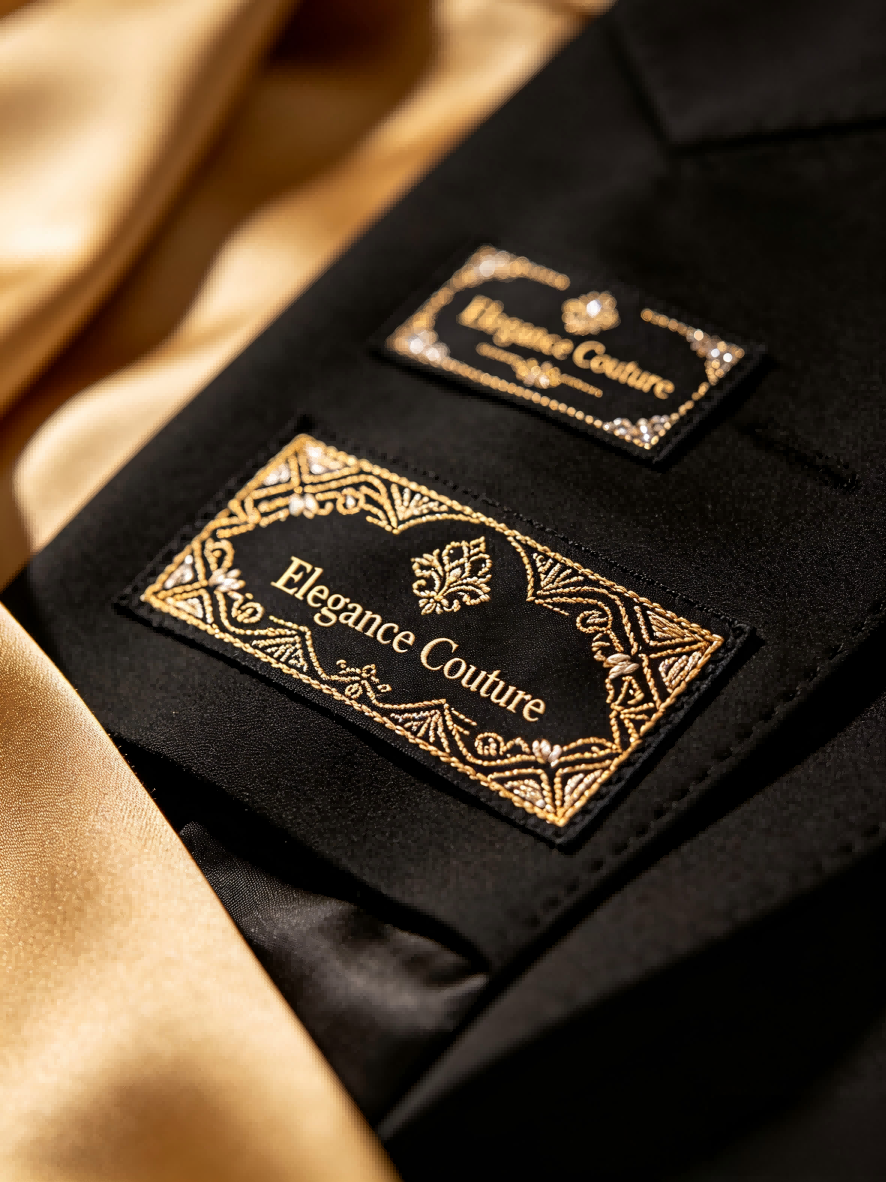
Custom apparel hang tags provide fashion brands with flexibility to create unique, memorable identifiers for their garments. By customizing shape, size, material, and finish, brands can differentiate themselves in a crowded marketplace. For example, a luxury fashion label might choose thick matte-finished paper with gold foil, while a children’s clothing brand might opt for colorful hang tags with playful illustrations.
Custom apparel hang tags are not just decorative; they deliver practical information like size, price, fabric composition, and washing instructions. For premium retailers, they also reinforce exclusivity and brand personality.

2. Garment Hang Tag Design: The Science of First Impressions
Strong garment hang tag design is a vital part of any apparel marketing strategy. Fonts, colors, and layouts directly influence how customers interpret the product’s value. A clean and minimalist design is often favored by premium brands, while bold, vibrant designs work well for streetwear and youth-focused fashion.
Effective garment hang tag design also balances aesthetics with information. A well-designed tag provides clear details—such as garment care instructions and fabric details—without overwhelming the buyer. Today, many brands integrate QR codes or NFC chips into their hang tags, enabling customers to access product authenticity information, sustainability credentials, or styling suggestions.
When brands prioritize thoughtful garment hang tag design, they position themselves as professional, trustworthy, and consumer-focused.
3. T Shirt Hang Tags: Simple Yet Impactful
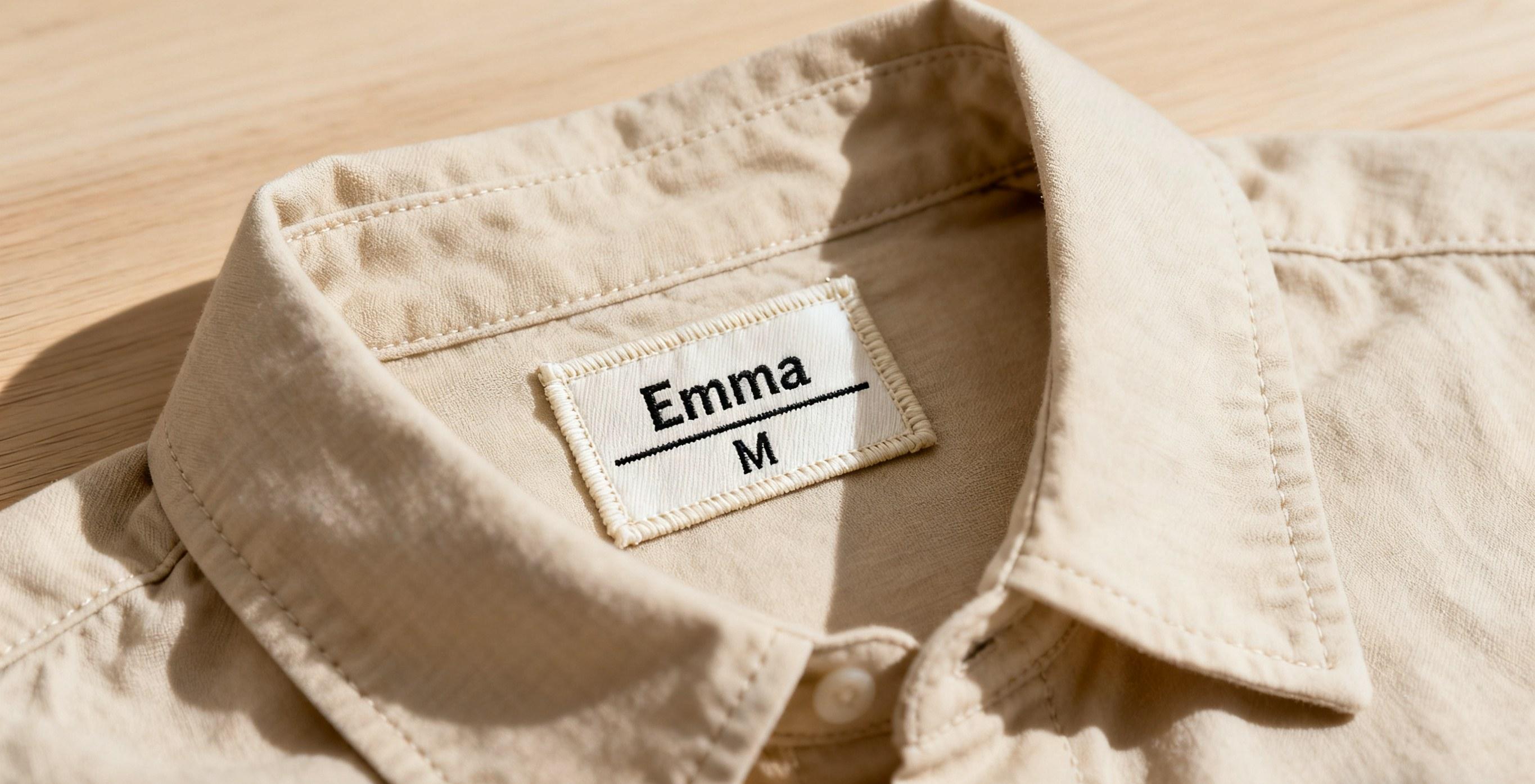
Among all apparel categories, t shirt hang tags are the most widely used. T-shirts are a staple product across casualwear, streetwear, and promotional merchandise. For these items, hang tags must reflect the brand’s identity quickly and effectively.
Streetwear brands often use creative t shirt hang tags that feature unique slogans, limited-edition numbering, or collaborations. This adds collectability and emotional connection for customers. Retailers also benefit from incorporating eco-friendly materials in their t shirt hang tags, aligning with consumer demand for sustainability.

4. Hang Tags in Retail: Beyond Labels
Hang tags for retail serve more purposes than pricing. They are essential for inventory management, product identification, and promotional messaging. For retail brands, product hang tags and product hanging tags become silent salespeople, delivering clear and concise information directly to shoppers.
Retail-focused hang tags often integrate barcodes, QR codes, and scannable technology to streamline point-of-sale and logistics operations. At the same time, they give customers an opportunity to connect with the brand’s story or values.

5. Brand Hang Tags: Extending Identity Beyond the Product
Brand hang tags and branded hang tags are more than accessories—they are extensions of the brand identity itself. A carefully designed tag communicates professionalism, craftsmanship, and brand values before the customer even tries the product. Branded hang tags are particularly important for premium labels, as they enhance perceived value and create a memorable unboxing experience.
When companies use branded hang tags consistently across collections, they reinforce recognition and trust. Whether for apparel, accessories, or lifestyle products, a brand hang tag can serve as a signature element of customer experience.
6. Choosing the Right Hang Tag for Your Business
For apparel and retail companies, selecting the right hang tag depends on several factors:
-
Product Category: T shirts may require simple but stylish hang tags, while luxury garments demand premium materials and finishes.
-
Target Audience: Youth-oriented brands benefit from bold, trend-driven designs, while high-end consumers prefer refined, elegant designs.
-
Budget and Materials: Paper, plastic, and eco-friendly options each have pros and cons in terms of cost, durability, and sustainability.
-
Marketing Goals: Tags can include scannable codes, social media handles, or sustainability messages to extend consumer engagement.
By considering these factors, businesses can create product hang tags that reflect their brand identity and meet customer expectations.
Conclusion
Hang tags are more than functional accessories—they are powerful branding tools. Whether through custom apparel hang tags, garment hang tag design, or t shirt hang tags, businesses can elevate their product presentation, strengthen brand storytelling, and enhance customer trust. In retail, product hang tags and branded hang tags act as silent ambassadors, shaping consumer impressions long before purchase decisions are made.
As customer expectations evolve, thoughtful hang tag design will remain a vital part of fashion and retail success. Brands that invest in creative, functional, and sustainable hang tags will stand out in an increasingly competitive market.
Jewelry Hang Tag Identification: A Strategic Tool for Modern Brands
Custom Apparel Hang Tags: Enhancing Brand Value Through Design