The Strategic Value of Custom Fabric Labels in Modern Apparel
In today’s fashion and textile industry, clothing labels have evolved far beyond simple identifiers. Once limited to size or care instructions, they now serve as essential branding tools that enhance consumer trust and product value. For both established brands and emerging designers, custom fabric labels and custom fabric tags for clothing are critical for shaping identity and building long-term recognition.

Types of Custom Fabric Labels & Tags
1. Custom Fabric Labels
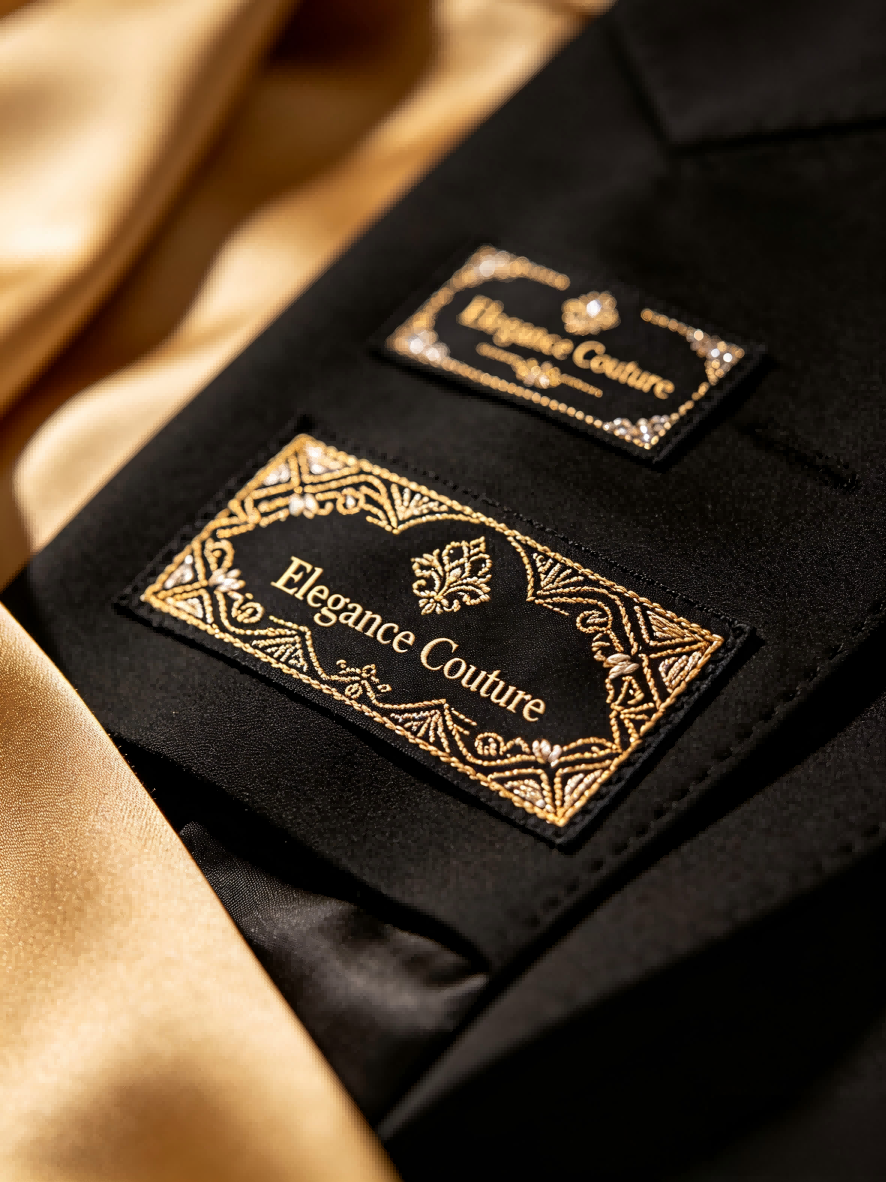
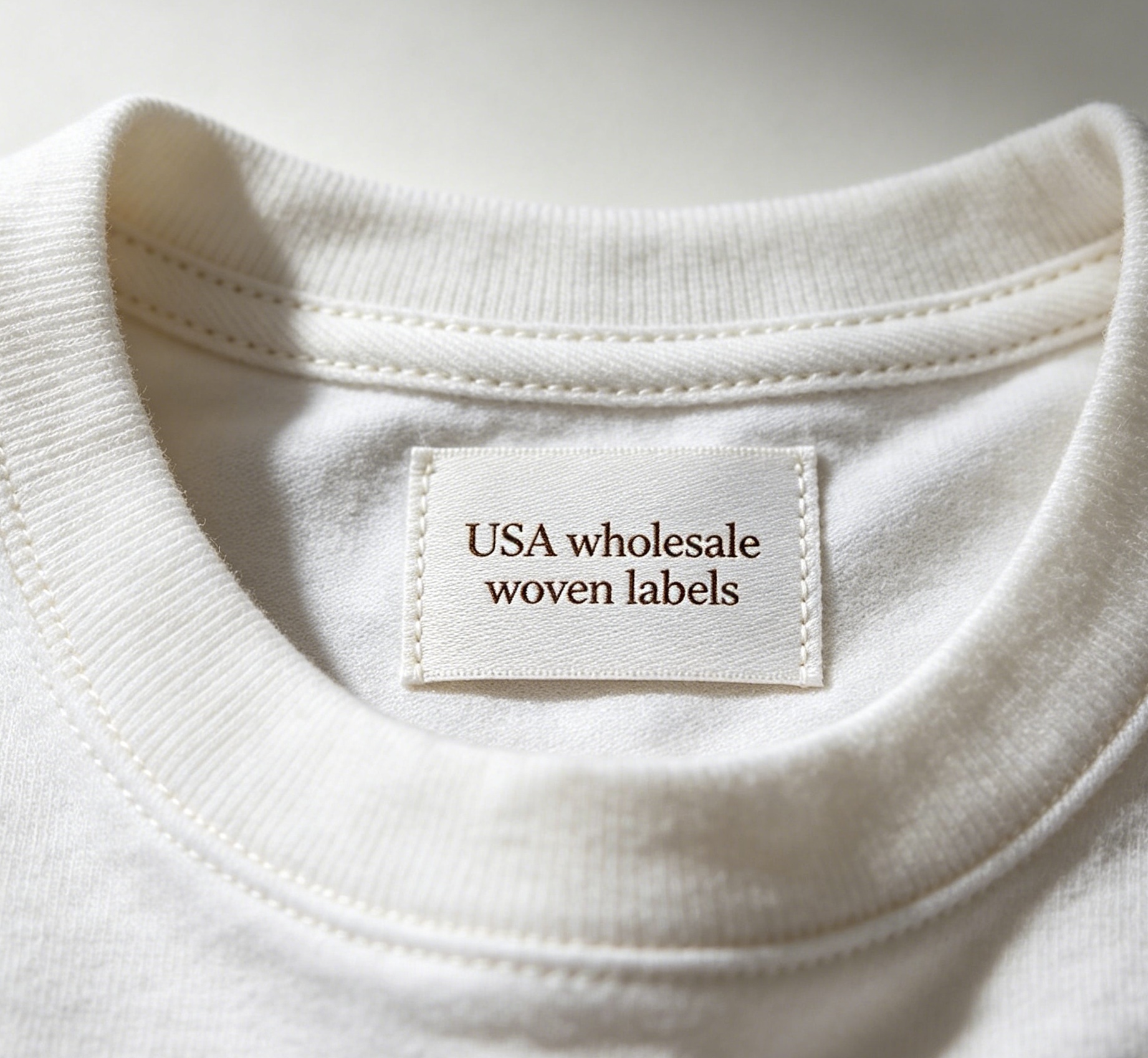
Custom fabric labels offer durability, premium aesthetics, and flexibility in design. These labels are commonly used in mid-to-high-end apparel, children’s wear, and sportswear. Their woven or printed finish adds a refined touch, reinforcing both quality and brand professionalism. For industry clients, they are an affordable investment with high branding returns.
2. Custom Fabric Tags for Clothing
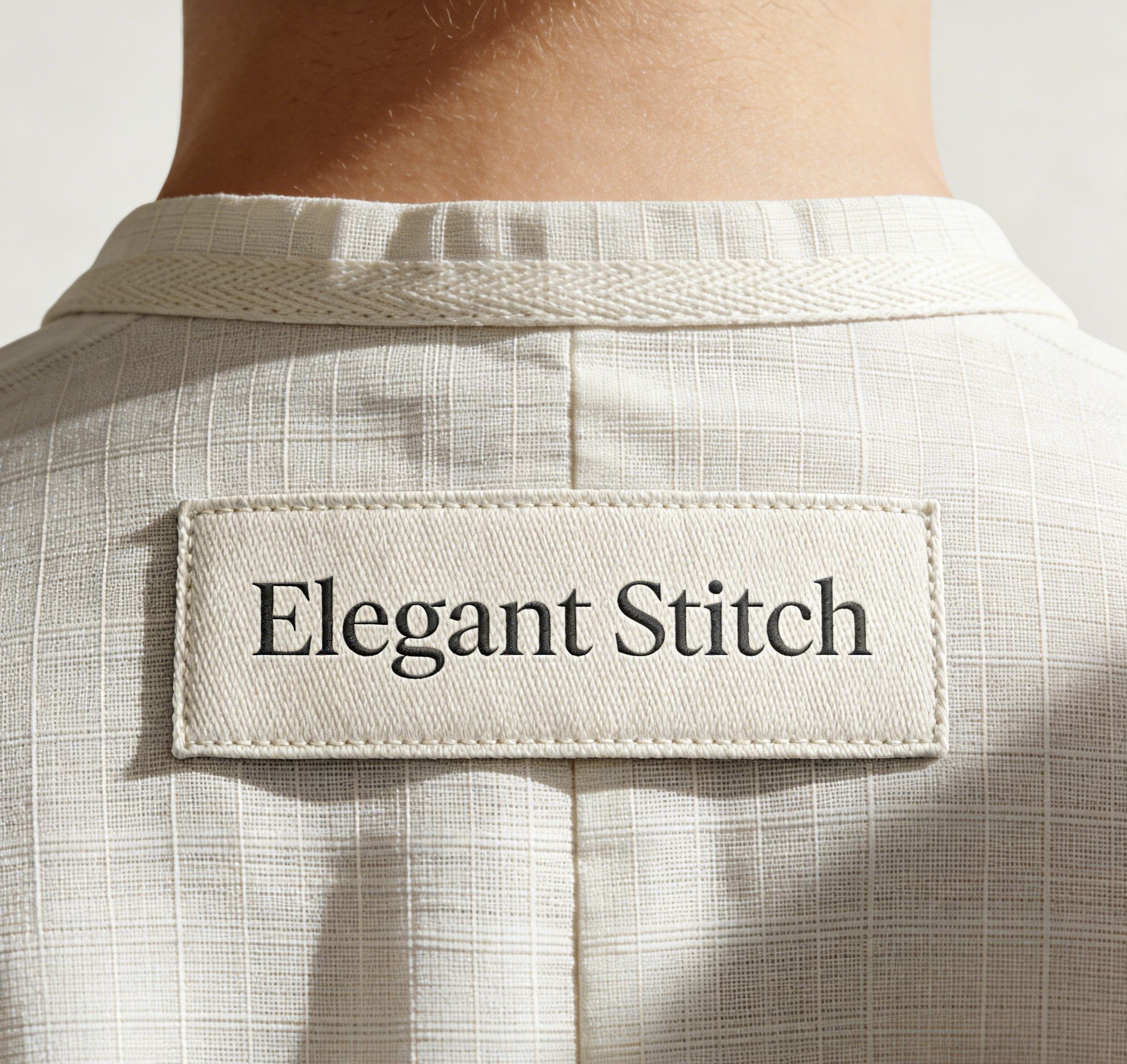
For smaller brands, custom fabric tags for clothing provide versatility in showcasing unique stories. These tags allow designers to select material, typography, and color palettes that align with their brand’s personality. Independent e-commerce brands often rely on these tags to differentiate themselves in a crowded market, while limited series collections leverage them to highlight exclusivity.
3. Custom Cloth Tag & Standard Labels
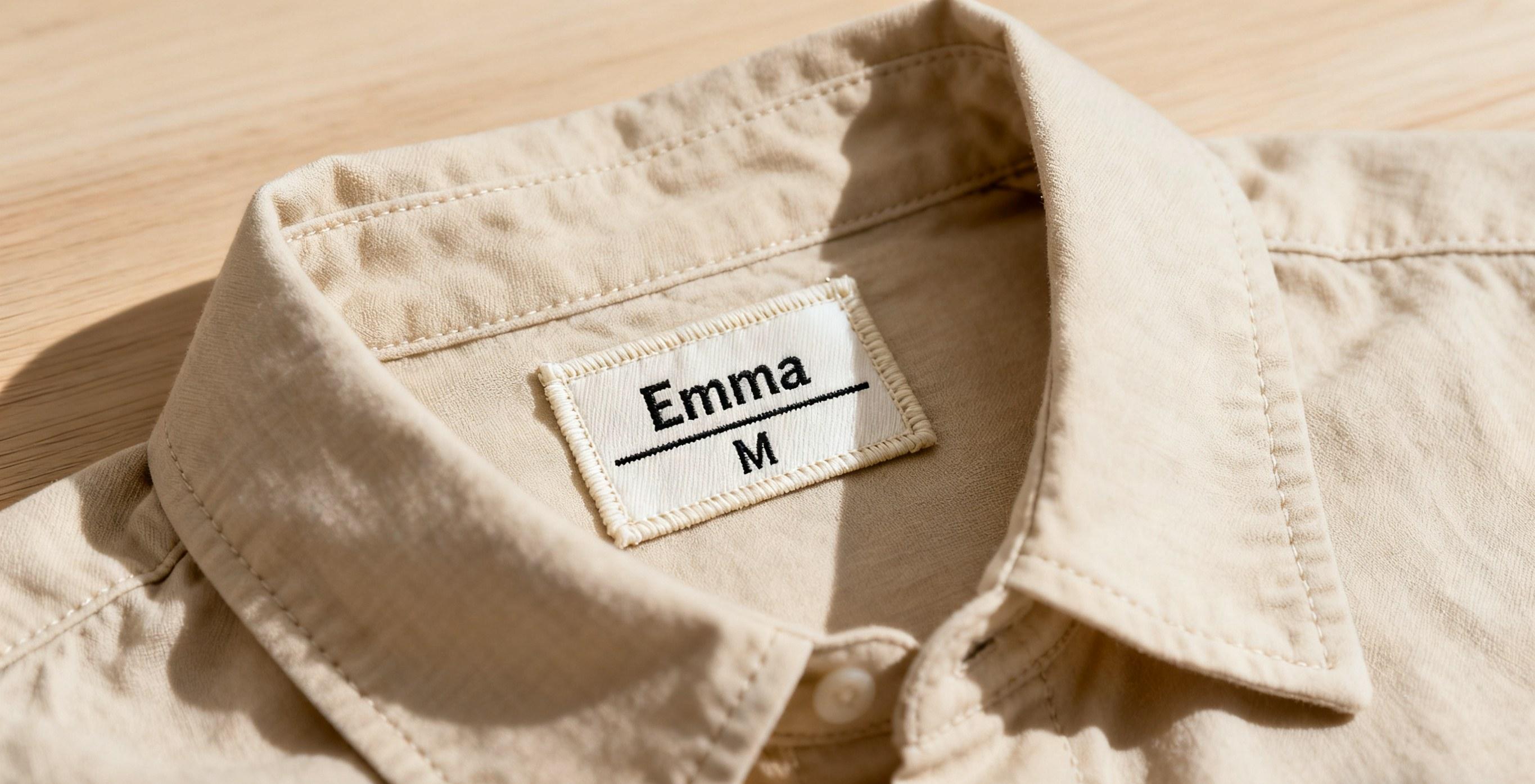
Custom cloth tags fulfill essential roles such as displaying size, fabric composition, and care instructions. While often viewed as “basic,” they are critical in retail, ensuring consumers receive accurate information and reducing returns. Clear and well-designed clothes labels also improve customer satisfaction by enhancing usability and shopping confidence.
Branding & Customer Value
For fashion brands, personalized labels provide a subtle yet powerful way to elevate perception and justify higher price points. A custom cloth tag designed with thoughtful typography and premium finish conveys attention to detail.
For manufacturers, custom labels ensure consistency and efficiency in large-scale production. Clear clothes labels also streamline distribution, reducing errors and enhancing brand reputation.
For retailers, labels serve as the first interaction point between consumers and garments. High-quality custom fabric labels help customers identify brand and size information instantly, improving the shopping experience.

Material & Production Considerations
The effectiveness of custom fabric labels depends on material and technique. Cotton, satin, polyester, and nylon are popular base fabrics, each with unique benefits.
-
Woven techniques provide a premium finish and durability.
-
Printed options allow color flexibility and cost-effectiveness.
-
Heat transfer and embroidery create modern textures and lasting impressions.
Durability is key: high-quality custom fabric labels outperform printed-only alternatives by resisting fading and distortion. Industry trends also emphasize sustainability, with eco-friendly fibers, recyclable materials, and digital production techniques becoming mainstream.
Conclusion & Recommendations
The role of labels for clothing has shifted from basic functionality to strategic branding. Industry clients should consider three priorities when selecting labels:
-
Quality & Comfort – ensure fabric labels are soft yet durable.
-
Personalization – leverage custom fabric tags for clothing to reflect brand uniqueness.
-
Sustainability – adopt eco-conscious materials to align with consumer values.
Ultimately, whether choosing custom cloth tags for everyday essentials or personalized woven clothing labels for premium collections, the right label can elevate brand visibility and customer loyalty.

Printed Tags vs Printable Hang Tags: Choosing the Right Solution for Your Business
Why Personalized Clothing Labels Matter