The Strategic Value of Custom Garment Labels in Modern Apparel
Introduction: The Role of Clothing Labels in Apparel
In today’s competitive apparel industry, clothing labels serve a greater purpose than simply showing size or washing instructions. They have become a critical element of branding, consumer trust, and product differentiation. For brands both large and small, investing in high-quality Labels For Clothing is no longer optional—it is a strategic decision that impacts market perception.
Explore more about custom woven labels here to understand how different label types shape consumer experience.
Functional Categories of Clothing Labels
Standard Garment Labels
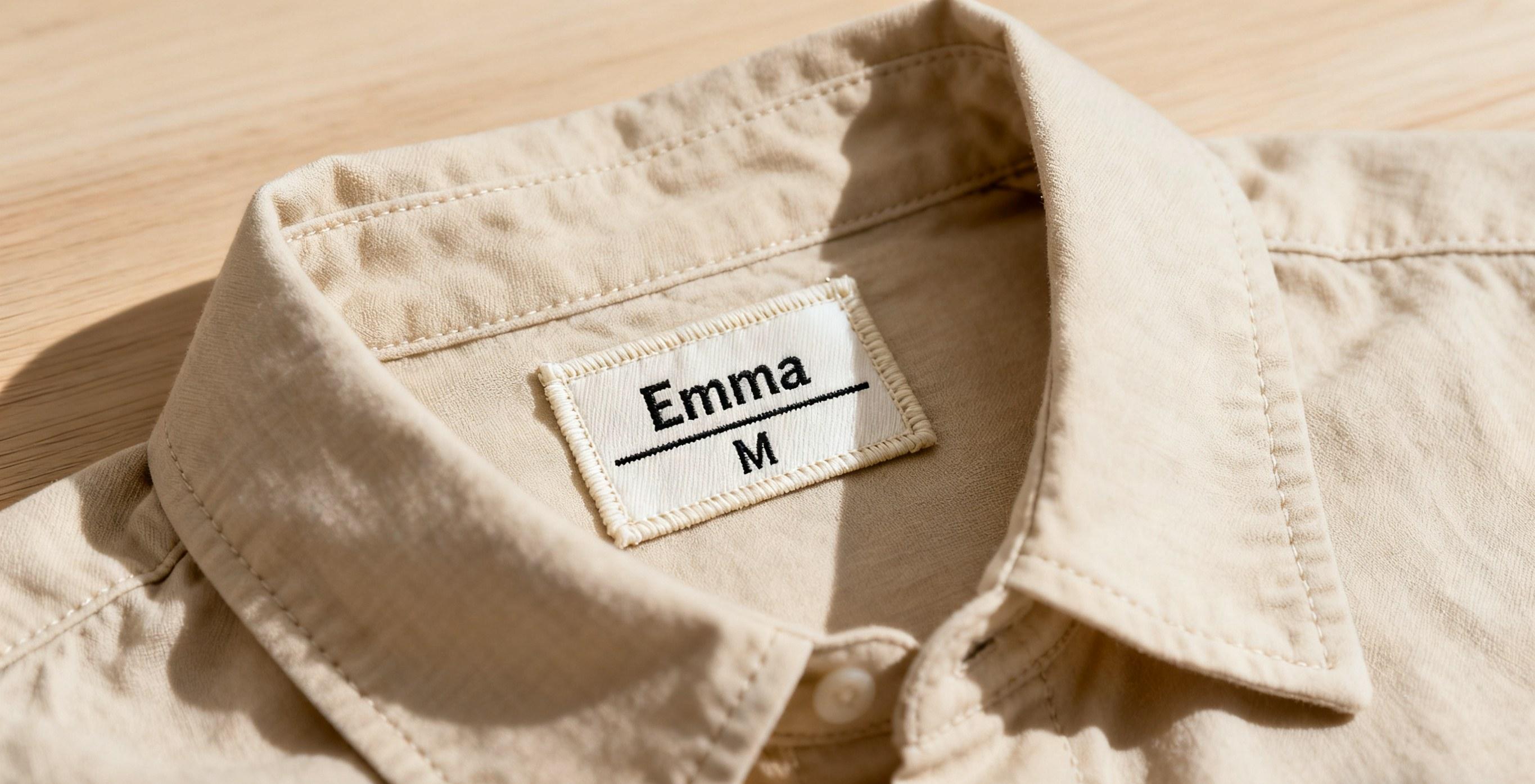
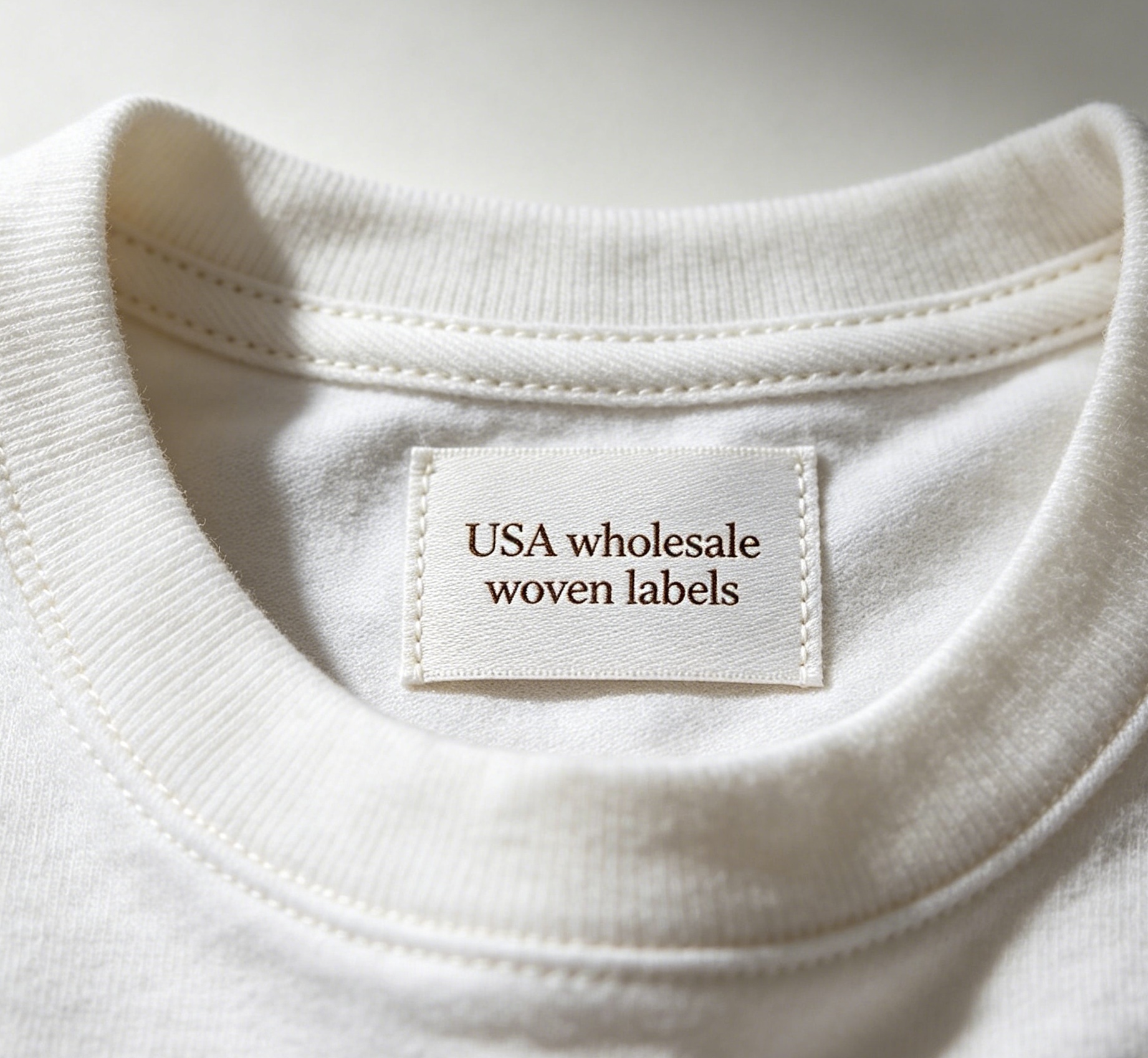
Traditional garment labels play an essential role in providing size, material, and care information. They ensure consistency in production and reduce errors at the retail stage. For everyday wear like T-shirts and shirts, t shirt label tags and cloth labels remain the most widely used solutions.

Custom Garment Label Solutions
For brands seeking stronger identity, a custom garment label offers a valuable way to differentiate. These labels go beyond utility—they express brand personality and create premium perception. From custom shirt labels to custom t shirt labels, the flexibility of design allows small designers and luxury houses alike to showcase uniqueness.
Small-batch production and e-commerce growth have fueled demand for custom garment label options that align with brand stories. Learn more about custom clothing labels here for design inspiration.

Fabric & Specialty Labels
Specialized fabric labels and cloth labels are critical for apparel categories requiring durability, softness, or sustainability. Labels can be woven, printed, or embroidered to suit diverse clothing types. For premium fashion, woven clothing tags labels or satin finishes emphasize elegance, while everyday garments benefit from durable, washable alternatives.
Material & Production Considerations
The quality of Labels For Clothing depends heavily on material and production. Options range from cotton, polyester, satin, and nylon to advanced recycled fibers. Production techniques include woven, printed, and heat-pressed solutions, each offering a unique balance of comfort, durability, and cost.
High-quality clothing labels resist fading, maintain clarity, and enhance overall garment value. With growing sustainability concerns, eco-friendly dyes, recyclable materials, and digital weaving techniques are emerging as industry priorities.

Industry Applications & Customer Value
-
For Brands: A custom garment label builds consumer trust, reinforces identity, and adds long-term value. In fashion, small details like labels often influence premium perception.
-
For Manufacturers: Consistency in clothing labels enhances efficiency, reduces rework, and meets international quality standards.
-
For Retailers: Clear and well-designed Labels For Clothing help consumers quickly recognize sizes, fabrics, and brand identity, improving shopping experiences.
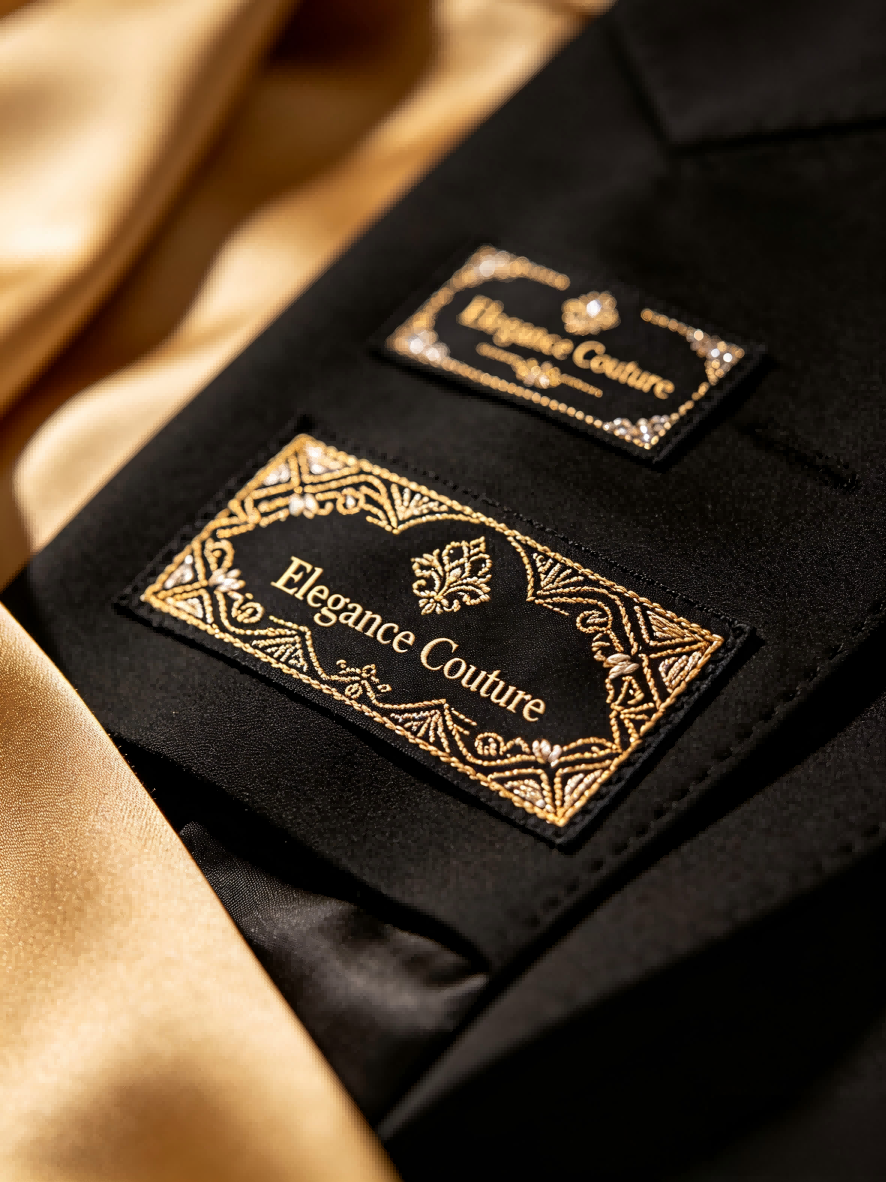
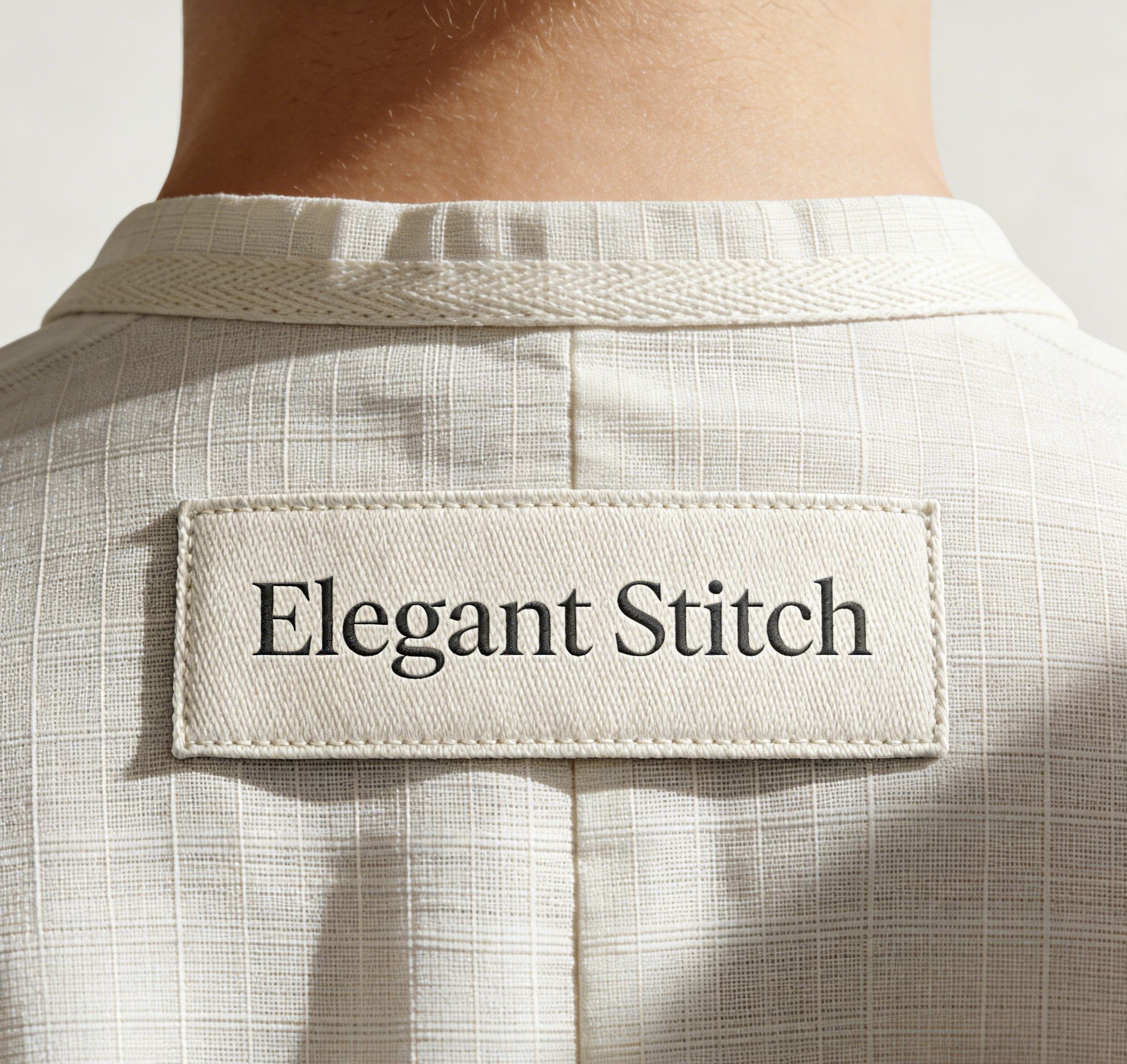
Case in point: While mass-market T-shirts may focus on cost-effective labels, luxury garments use woven fashion labels or woven dress labels to reflect craftsmanship. A neck woven label or shirt label tag can be the silent communicator of quality.
Conclusion
The evolution of clothing labels demonstrates their importance as more than functional identifiers—they are strategic branding tools. From t shirt label tags to custom garment label solutions, the right choice elevates consumer experience and product value.
For industry clients—whether independent designers, global manufacturers, or retailers—the focus should remain on quality, customization, and sustainability. By treating labels as brand assets, businesses can secure long-term consumer trust.
Discover our full range of custom woven fabric labels here to start designing clothing labels that truly represent your brand.
The Strategic Role of T-Shirt & Garment Labels in Fashion
The Strategic Role of Embroidered Labels in Modern Apparel