The difference between woven labels and print labels
When it comes to garment branding and labeling, two primary techniques dominate the industry: woven labels and printing marks. While both serve the purpose of identifying a brand, conveying information, and enhancing product aesthetics, they differ significantly in nature, production methods, and characteristics. Understanding these distinctions is crucial for businesses seeking to align their labeling choices with their brand identity, functional requirements, and budget.
1. Nature and Purpose
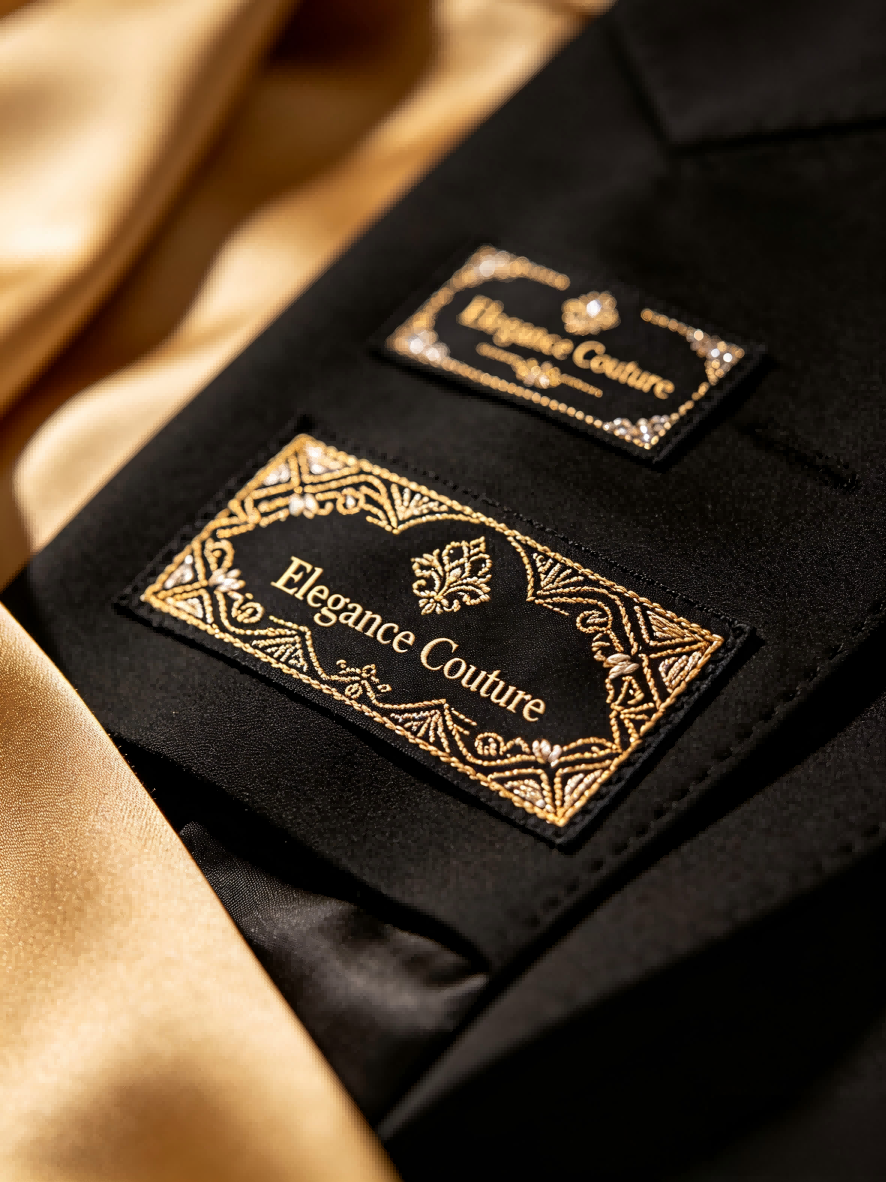
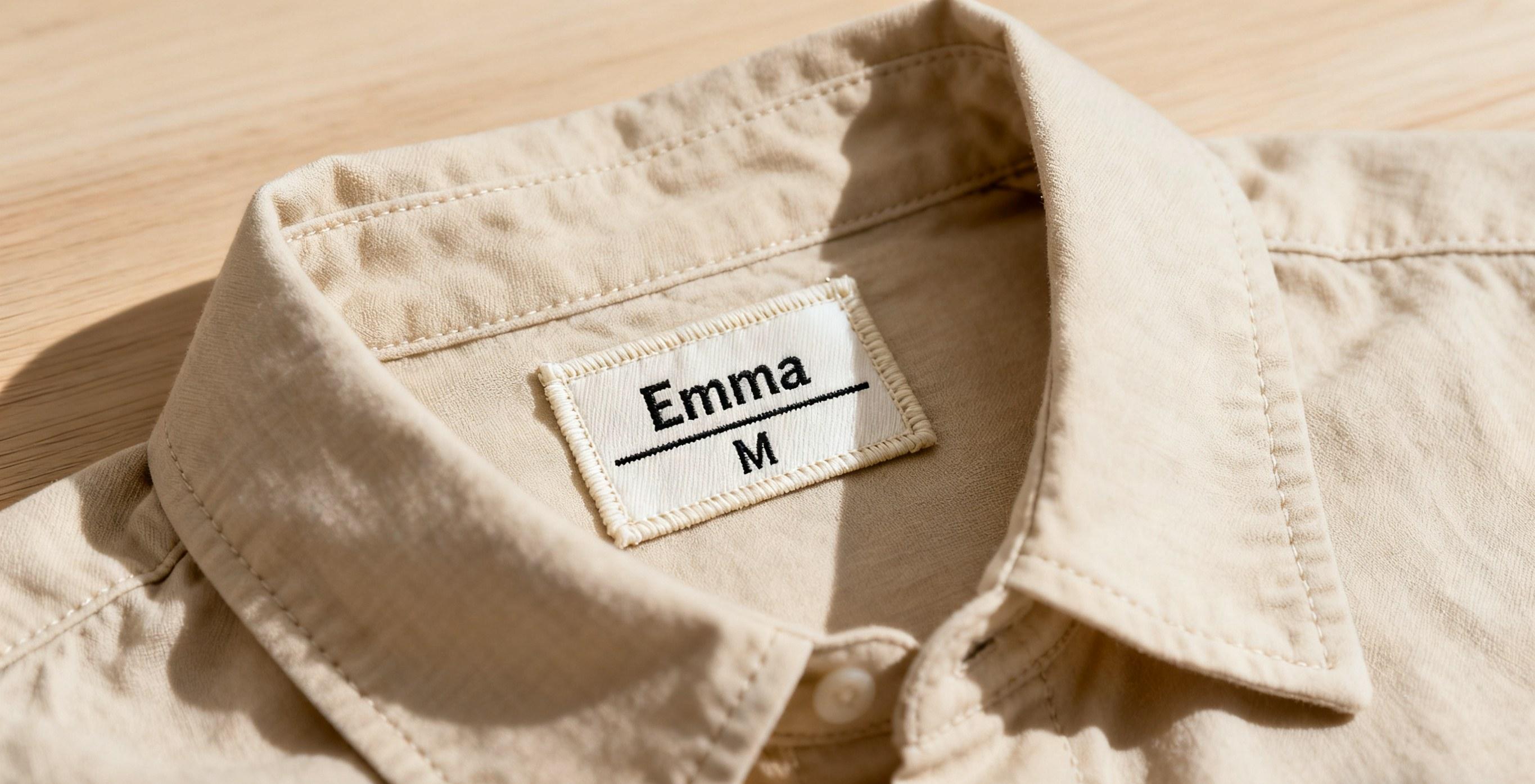
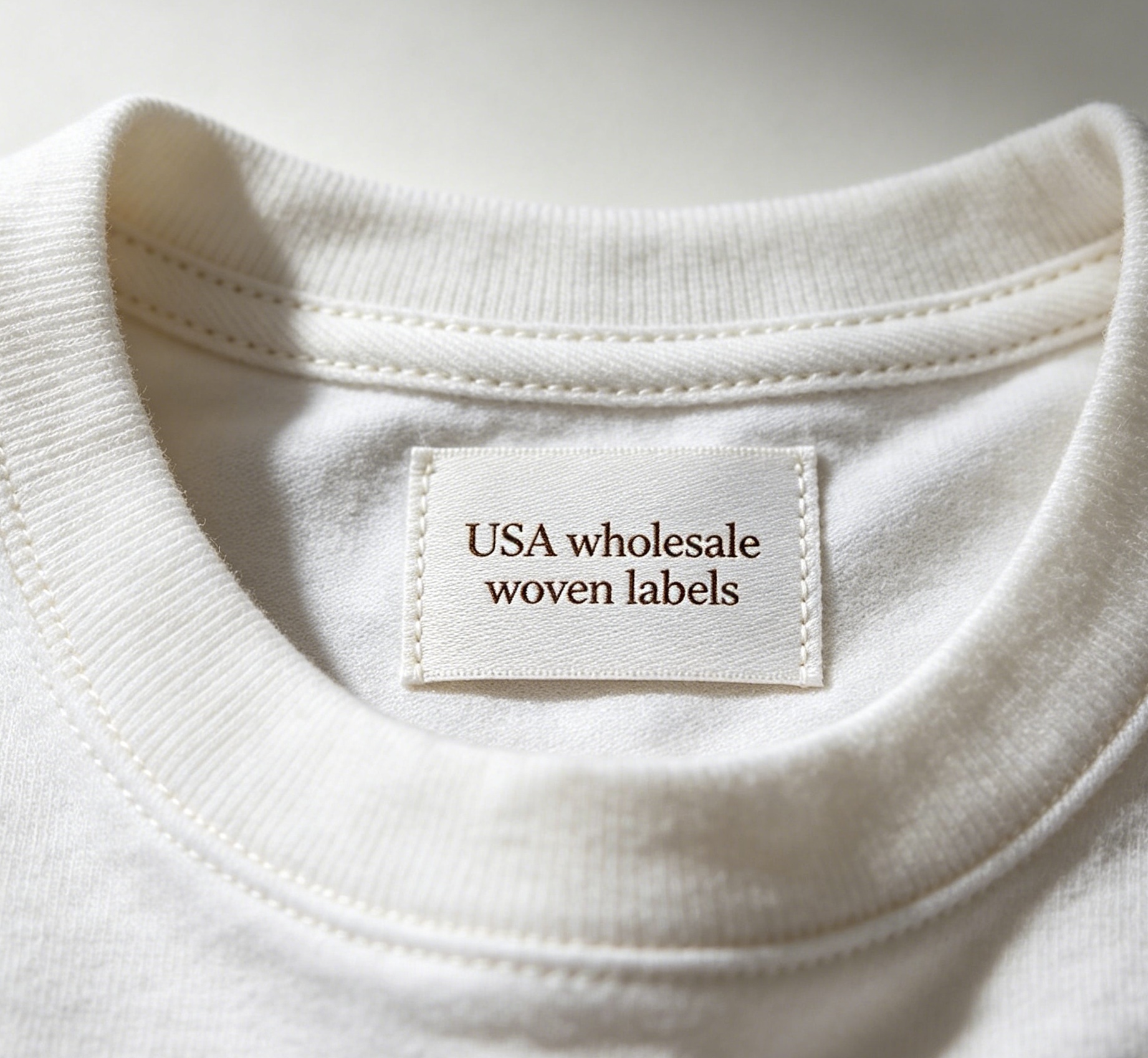
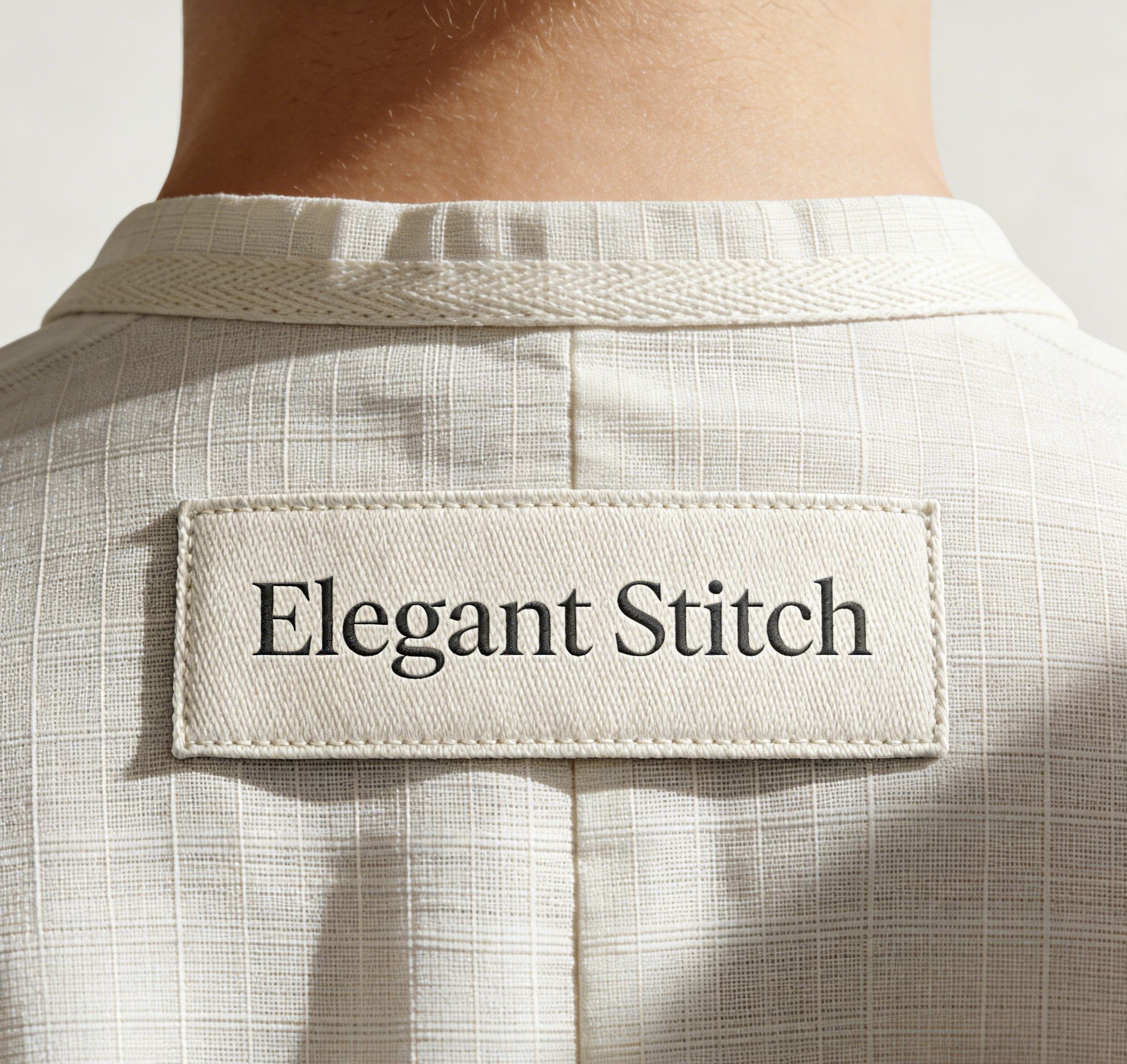
Woven labels and printing marks diverge fundamentally in their nature and application. A woven label is a textile-based tag intricately woven into garments such as clothing or pants. It incorporates text, letters, logos, or patterns directly into the fabric structure, creating a durable and integrated branding element. Woven labels are often positioned as permanent fixtures on garments, symbolizing quality and authenticity. They are commonly used by high-end fashion brands to reinforce their identity, as their tactile and visually textured appearance adds a luxurious touch.
Woven labels and printing marks diverge fundamentally in their nature and application. A woven label is a textile-based tag intricately woven into garments such as clothing or pants. It incorporates text, letters, logos, or patterns directly into the fabric structure, creating a durable and integrated branding element. Woven labels are often positioned as permanent fixtures on garments, symbolizing quality and authenticity. They are commonly used by high-end fashion brands to reinforce their identity, as their tactile and visually textured appearance adds a luxurious touch.
In contrast, a printing mark—also known as a printed label or wash mark—is a product of the printing industry. It involves transferring designs, text, or graphics onto a substrate (such as paper, fabric, or synthetic materials) using printing techniques. Printing marks are versatile and can be applied to various surfaces, including clothing care labels, hangtags, or promotional tags. Unlike woven labels, printing marks are typically affixed to garments rather than woven into them, making them more flexible in terms of placement and design.
2. Production Methods
The manufacturing processes for woven labels and printing marks reflect their distinct natures and result in different outcomes.
The manufacturing processes for woven labels and printing marks reflect their distinct natures and result in different outcomes.
-
Woven Labels:
Woven labels are crafted using specialized weaving machines. The process begins with fixing a set of warp threads (longitudinal threads) on the loom. These warps provide the structural foundation for the label. The design, including text, logos, or patterns, is then created by interlacing colored weft threads (horizontal threads) through the warp. This weaving technique allows for precise control over the density, texture, and complexity of the design. Intricate details, gradients, and even three-dimensional effects can be achieved through careful manipulation of the weft threads. The result is a label that is durable, resistant to wear, and seamlessly integrated into the fabric. -
Printing Marks:
Printing marks involve a more dynamic and diverse production process. The most common method is flexographic printing, where a design is etched onto a flexible resin plate using laser engraving or film exposure. The plate is then mounted onto a printing press, where it rotates and picks up ink. As the plate comes into contact with the substrate (e.g., paper, fabric, or synthetic materials), the ink is transferred, creating the desired design. Digital printing is also increasingly popular, offering high-resolution, full-color outputs with minimal setup time. Printing marks can incorporate vibrant colors, photographic images, and complex graphics, making them highly customizable. However, the durability of printed marks depends on the quality of the ink and substrate, with potential risks of fading or peeling over time.
3. Key Characteristics
The divergent production methods of woven labels and printing marks lead to distinct characteristics that influence their suitability for different applications.
The divergent production methods of woven labels and printing marks lead to distinct characteristics that influence their suitability for different applications.
-
Woven Labels:
Woven labels are celebrated for their premium quality and longevity. The weaving process ensures that the design is securely embedded within the fabric, making them resistant to washing, abrasion, and fading. The threads used in woven labels are often dense and tightly woven, resulting in sharp, well-defined lines and a soft, tactile feel. These labels are ideal for brands aiming to convey a sense of luxury and permanence, as their intricate designs and durable construction elevate the perceived value of the garment. However, woven labels are generally more time-consuming and costly to produce than printed marks, limiting their use in mass-market or budget-conscious applications. -
Printing Marks:
Printing marks excel in versatility and cost-effectiveness. They offer a wide range of design possibilities, including vivid colors, gradients, and photographic-quality images, allowing brands to create eye-catching and contemporary labels. The production process for printing marks is typically faster and more efficient than weaving, making them suitable for large-scale production runs. Additionally, printed labels can be applied to various materials, from paper and fabric to synthetic blends, expanding their usability across different industries. However, printed marks are less durable than woven labels and may degrade over time, particularly if exposed to frequent washing or harsh conditions. This makes them better suited for temporary or decorative purposes rather than permanent branding.
Conclusion
In summary, woven labels and printing marks cater to different needs and priorities in garment labeling. Woven labels offer unmatched durability, premium aesthetics, and a timeless appeal, making them ideal for high-end brands seeking to reinforce their identity. Printing marks, on the other hand, provide flexibility, cost efficiency, and vibrant design options, making them suitable for a broader range of applications, from casual clothing to promotional materials. By understanding the nature, production methods, and characteristics of these two labeling techniques, businesses can make informed decisions that align with their brand vision, functional requirements, and budgetary considerations. Whether prioritizing longevity and luxury or versatility and affordability, both woven labels and printing marks play vital roles in shaping the visual and tactile identity of modern apparel.
In summary, woven labels and printing marks cater to different needs and priorities in garment labeling. Woven labels offer unmatched durability, premium aesthetics, and a timeless appeal, making them ideal for high-end brands seeking to reinforce their identity. Printing marks, on the other hand, provide flexibility, cost efficiency, and vibrant design options, making them suitable for a broader range of applications, from casual clothing to promotional materials. By understanding the nature, production methods, and characteristics of these two labeling techniques, businesses can make informed decisions that align with their brand vision, functional requirements, and budgetary considerations. Whether prioritizing longevity and luxury or versatility and affordability, both woven labels and printing marks play vital roles in shaping the visual and tactile identity of modern apparel.
What are the common materials of clothing hang tags
What are the functions of the tag?
Related blog