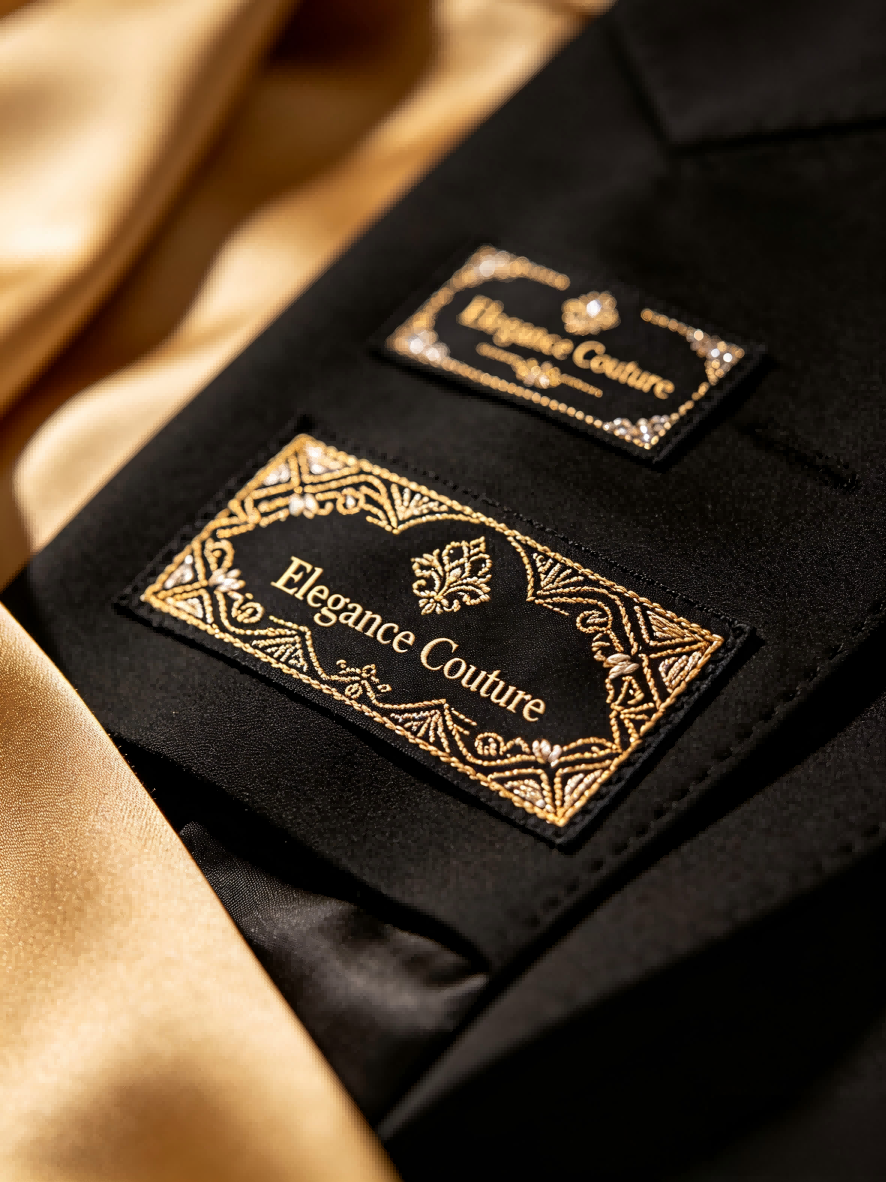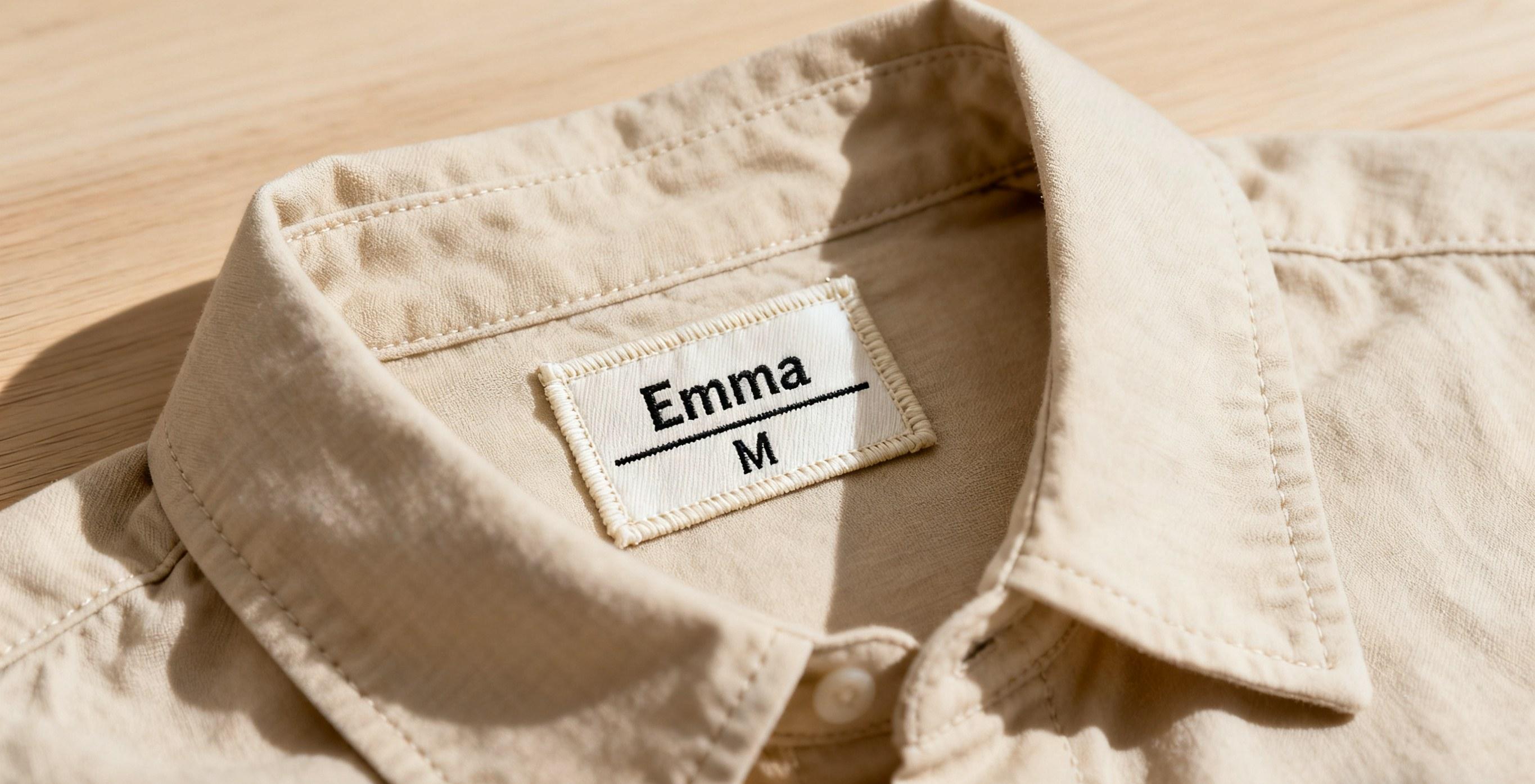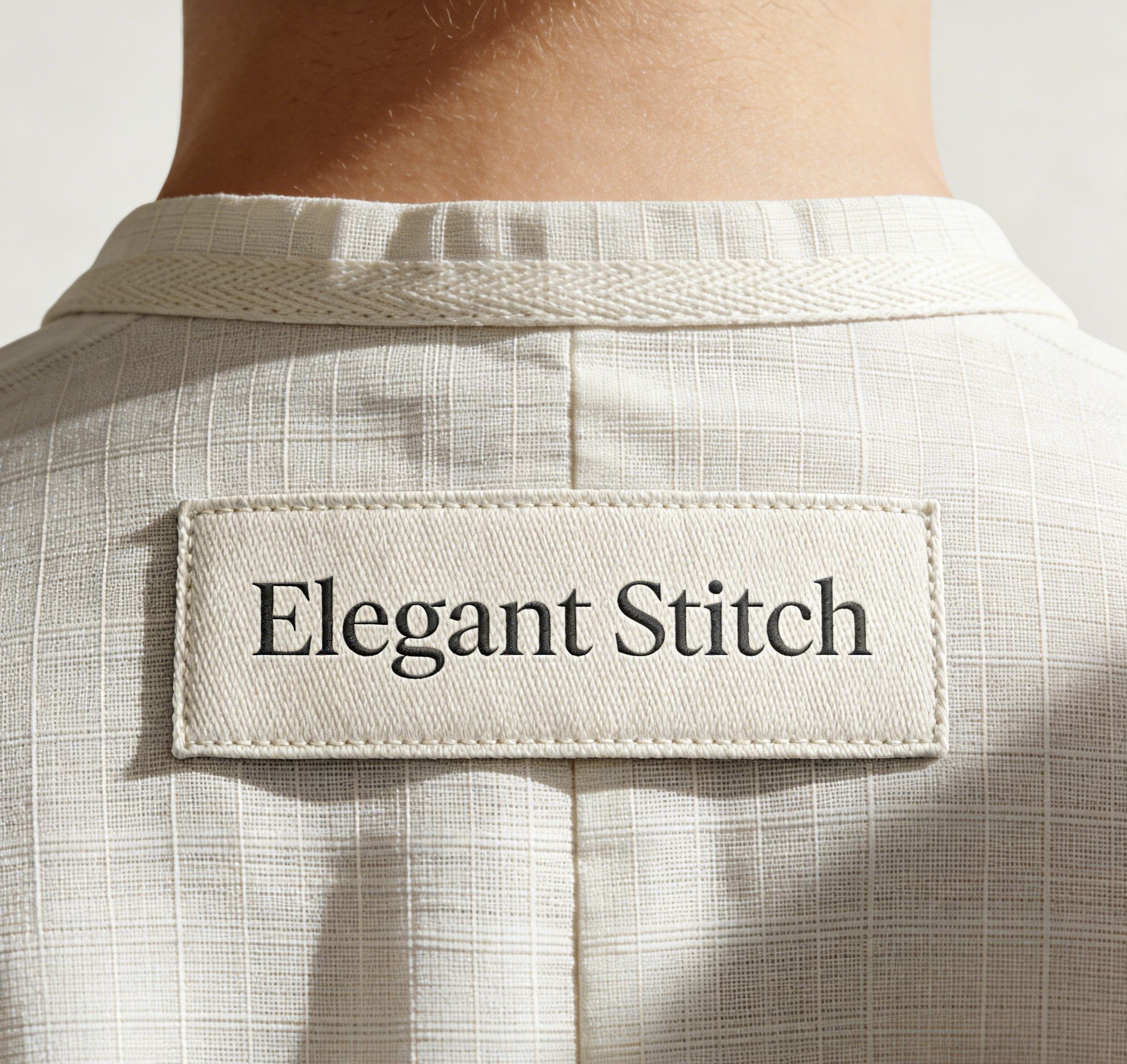
The Future of Branded Apparel Embroidered Garment Labels
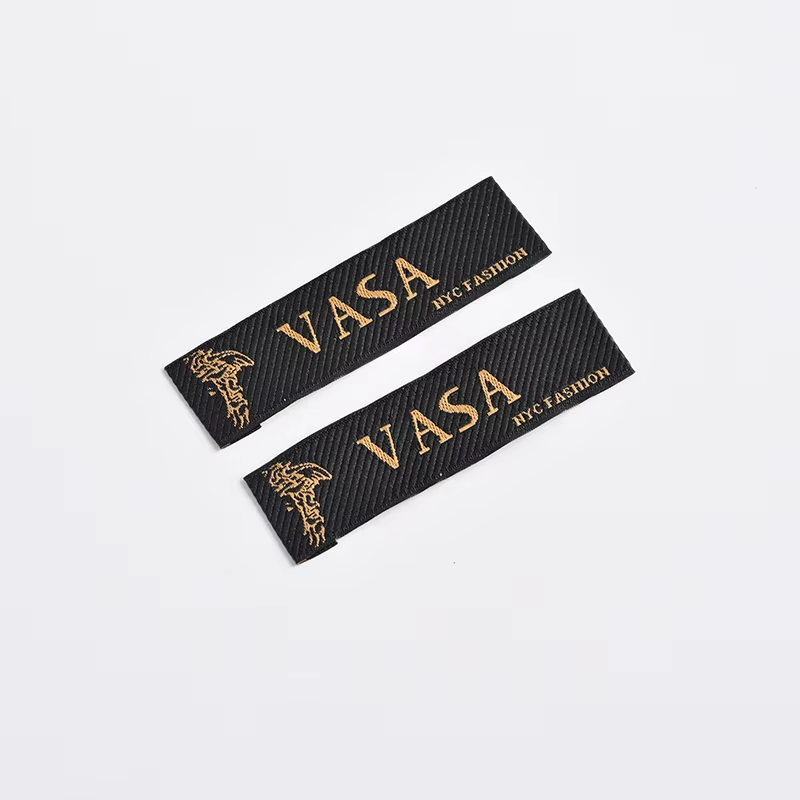
The apparel industry is on the cusp of a labeling revolution, with embroidered garment labels, garment label tags, and garment fabric labels evolving from static identifiers to dynamic brand ambassadors. As sustainability, technology, and personalization reshape fashion, these elements are becoming critical tools for storytelling, authenticity, and consumer engagement. Here’s how the future of branded apparel will be stitched, scanned, and savored.
1. Smart Labels: Where Embroidery Meets Technology
Embroidered garment labels are integrating cutting-edge tech to create interactive experiences:
- NFC-Enabled Threads: Stitch conductive yarns into labels, allowing smartphones to tap and access product origin stories or loyalty rewards.
- AR-Triggered Designs: Scan garment label tags to unlock augmented reality (AR) fashion shows or styling tutorials.
- Temperature-Sensitive Threads: Threads that change color with body heat, adding functionality to performance wear.
Case Study: Ralph Lauren’s 2023 collection featured embroidered garment labels with NFC chips, enabling buyers to verify authenticity and view designer interviews.
2. Sustainability: The New Standard for Labels
Eco-conscious materials are redefining all labeling components:
- Biodegradable Embroidery: Mushroom-based threads for compostable embroidered garment labels.
- Recycled Tag Materials: Garment label tags made from ocean plastics or agricultural waste.
- Laser-Etched Fabric Labels: Replace disposable tags by engraving care instructions directly onto garment fabric labels.
Stat: 78% of Gen Z shoppers prioritize brands using sustainable garment fabric labels (McKinsey, 2024).
3. Hyper-Personalization: Labels as Unique as Wearers
Mass customization is reshaping label production:
- On-Demand Embroidery: Digital embroidery machines create unique embroidered garment labels in 48 hours for limited editions.
- QR Code Personalization: Garment label tags with scannable codes for custom monograms or messages.
- Modular Labels: Interchangeable garment fabric labels let wearers swap slogans or icons seasonally.
4. Anti-Counterfeit Innovations
Advanced labeling combats fraud:
- Micro-Embroidery: Nano-sized logos in embroidered garment labels, detectable only under UV light.
- Blockchain-Linked Tags: Garment label tags with encrypted QR codes tracing every supply chain step.
- DNA-Tagged Threads: Synthetic DNA markers woven into garment fabric labels for forensic verification.
Example: Luxury brand LVMH embeds DNA markers in embroidered garment labels for its leather goods, reducing counterfeit incidents by 60%.
5. Seamless Integration: Labels as Part of the Garment
Future labels will blend invisibly into apparel:
- Invisible Embroidery: Subsurface stitching techniques hide embroidered garment labels beneath fabric layers until activated by touch.
- Smart Fabric Labels: Garment fabric labels with embedded sensors monitoring wear-and-tear or UV exposure.
- Dissolvable Tags: Garment label tags made from rice paper that dissolve during first wash, leaving only embroidered branding.
6. The Rise of Ethical Storytelling
Consumers demand transparency, and labels deliver:
- Farm-to-Label Tracking: Garment label tags with QR codes showing cotton’s journey from farm to embroidery.
- Artisan Profiles: Link embroidered garment labels to videos of craftspeople stitching each logo.
- Carbon Footprint Logos: Garment fabric labels displaying emissions saved via recycled materials.
7. The Role of AI in Label Design
Artificial intelligence is optimizing label creation:
- AI-Generated Patterns: Algorithms design embroidery motifs based on trending colors and cultural data.
- Fit Prediction: AI analyzes garment fabric labels to recommend sizing adjustments for diverse body types.
- Waste Reduction: Machine learning streamlines thread usage, cutting material waste in embroidered garment labels by 30%.
Conclusion: Stitching Tomorrow’s Fashion Narrative
The future of embroidered garment labels, garment label tags, and garment fabric labels lies at the intersection of art and innovation. These elements will no longer merely identify—they’ll educate, protect, and inspire. As wearable tech and circular design become mainstream, brands that reimagine labels as multidimensional touchpoints will dominate markets and hearts alike.
As designer Tom Ford once noted, “The craft of fashion is in the details.” Tomorrow’s labels will prove that the smallest details can carry the grandest visions.
Leveraging Labels for Social Media Buzz Garment Label Tags
Cloth Label Size: Best Practices for Garment Fabric Labels