The Strategic Role of Hang Tags for Clothes in Fashion Branding
In the fast-paced apparel industry, details matter. Among them, hang tags for clothes play a crucial role in shaping consumer perceptions and communicating essential product information. Far beyond being just a price tag, a clothing hang tag functions as a bridge between a brand and its customers, influencing purchase decisions and reinforcing identity.
Core Functions of Hang Tags in Clothing
1. Branding and Identity
Every piece of apparel tells a story, and hang tags clothing serve as a medium for that story. By integrating brand colors, logos, typography, and messaging, tags establish consistency across collections. A well-designed tag reinforces the brand’s positioning—whether minimalist, eco-friendly, or luxury-oriented—and helps customers instantly recognize authenticity.
2. Product Information and Compliance
Consumers rely on hang tags on clothing for critical details such as fabric composition, care instructions, size, and price. For global markets, tags are also essential for compliance, providing information about safety standards, material sourcing, and traceability. In export-driven industries, detailed hang tags ensure transparency and trust.
3. Enhancing Customer Experience
Tactile quality matters. The weight, texture, and finish of a tag impact how consumers perceive the garment itself. For example, a luxury brand might use embossed finishes or metallic foiling, while sustainable labels may opt for kraft paper hang tags with eco-friendly inks. These design decisions create memorable first impressions.
Customization Options for Apparel Brands
With fashion competition intensifying, customization is no longer optional. Custom hang tags for clothing empower brands to differentiate themselves. Shapes, sizes, materials, and printing techniques can be tailored to align with brand values.
-
Minimalist brands may prefer matte-finished square tags.
-
Eco-conscious labels highlight recycled kraft paper with natural fiber strings.
-
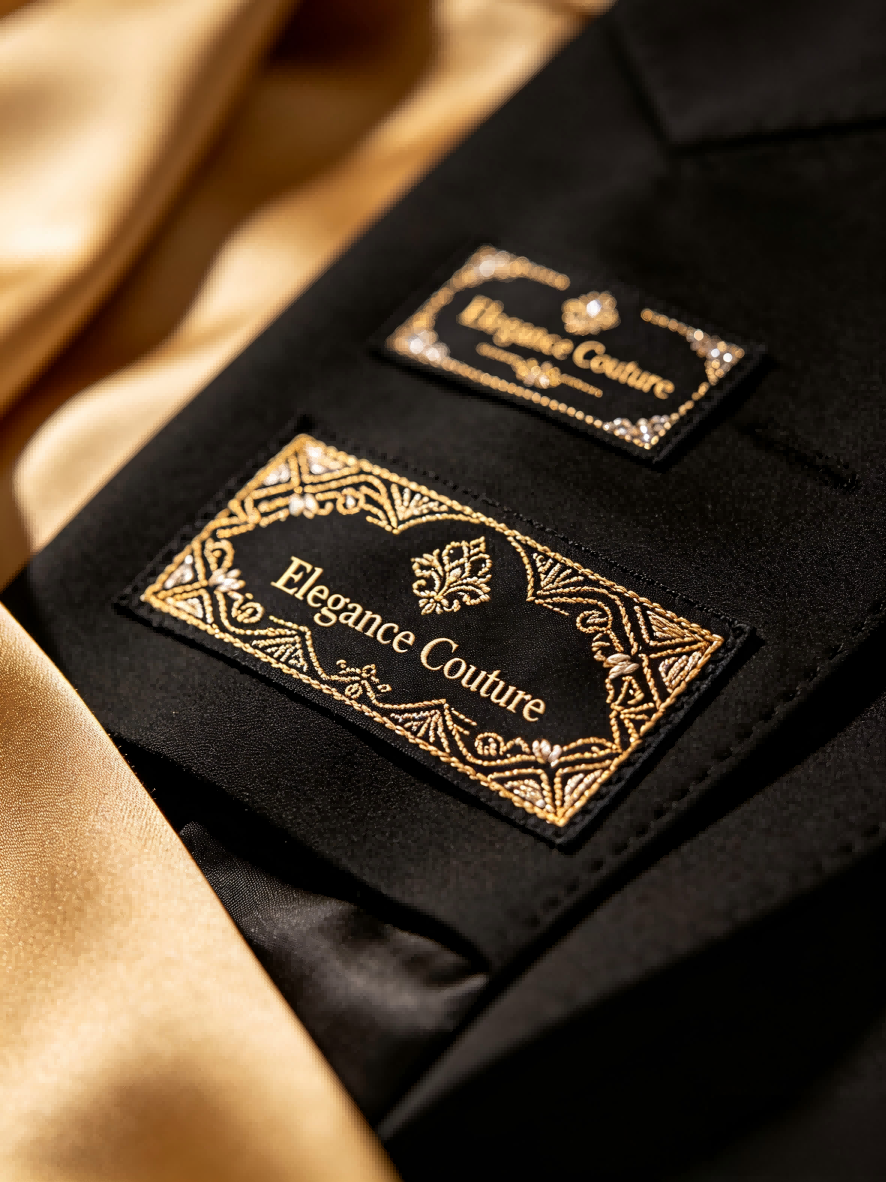
High-end fashion houses often opt for luxury cardstock, foil stamping, or embossed lettering.
By investing in custom apparel hang tags, companies reinforce professionalism and strengthen long-term consumer trust.

Material & Design Choices
-
Paper/Cardstock: The most common option, cost-effective and versatile. Works for bulk manufacturing.
-
Kraft Paper Hang Tags: Communicate sustainability and authenticity. Popular for artisan and eco-friendly brands.
-
Plastic Hang Tags: Durable and waterproof, often used for activewear, swimwear, and outdoor apparel.
Advanced printing options—like gold foil stamping, UV coating, and die-cutting—add sophistication and tactile value, ensuring the tag reflects the brand’s market positioning.

Market Trends and Customer Considerations
Fashion is evolving, and so are hang tags:
-
Sustainability: Growing demand for eco-friendly hang tags made from recycled or biodegradable materials.
-
Digitalization: QR codes, NFC, and RFID allow interactive features, linking customers to online product stories or authenticity checks.
-
Small Batch Customization: Independent designers and emerging labels increasingly order short runs of custom hang tags for flexibility and uniqueness.
Global brands are setting new benchmarks by combining sustainability with innovation, making hang tags part of the customer journey rather than just a functional accessory.

Conclusion
Hang tags for clothes are not mere accessories—they are strategic branding tools. From hang tags clothing that reflect identity to hang tags on clothing that deliver compliance and trust, they play a multi-layered role in retail success. Brands that invest in thoughtful design, material innovation, and sustainable practices can elevate customer perception and stand out in crowded markets.
The Strategic Role of Apparel Hang Tags in Fashion Branding
What Is Hang Tag? Strategic Role in Fashion and Retail