The Strategic Role of Retail and Product Hang Tags in Brand Success
Introduction: Why Hang Tags Matter in Retail
In today’s competitive retail landscape, hang tags are no longer just functional price carriers. They have evolved into powerful communication tools that reinforce branding, build trust, and enhance consumer experience. Whether it is hang tags for retail, product hang tags, or product hanging tags, these small design elements can greatly influence a buyer’s perception and decision-making process.
Types of Hang Tags and Their Applications
Product Hang Tags
A product hang tag delivers essential information such as size, fabric composition, and price while also serving as a brand identifier. They are widely used across fashion, footwear, accessories, and lifestyle goods.
Product Hanging Tags
For retail environments where products are displayed for longer periods, product hanging tags must be durable and visually consistent. They are designed to withstand handling while keeping brand aesthetics intact.
Hang Tags for Retail
Retail-focused hang tags often prioritize cohesive design that aligns with store branding. For example, luxury retailers may opt for textured papers and foil stamping, while fast-fashion brands favor cost-effective, colorful prints to attract high-volume sales.

Garment Hang Tag Design: Elements That Drive Value
Design Essentials
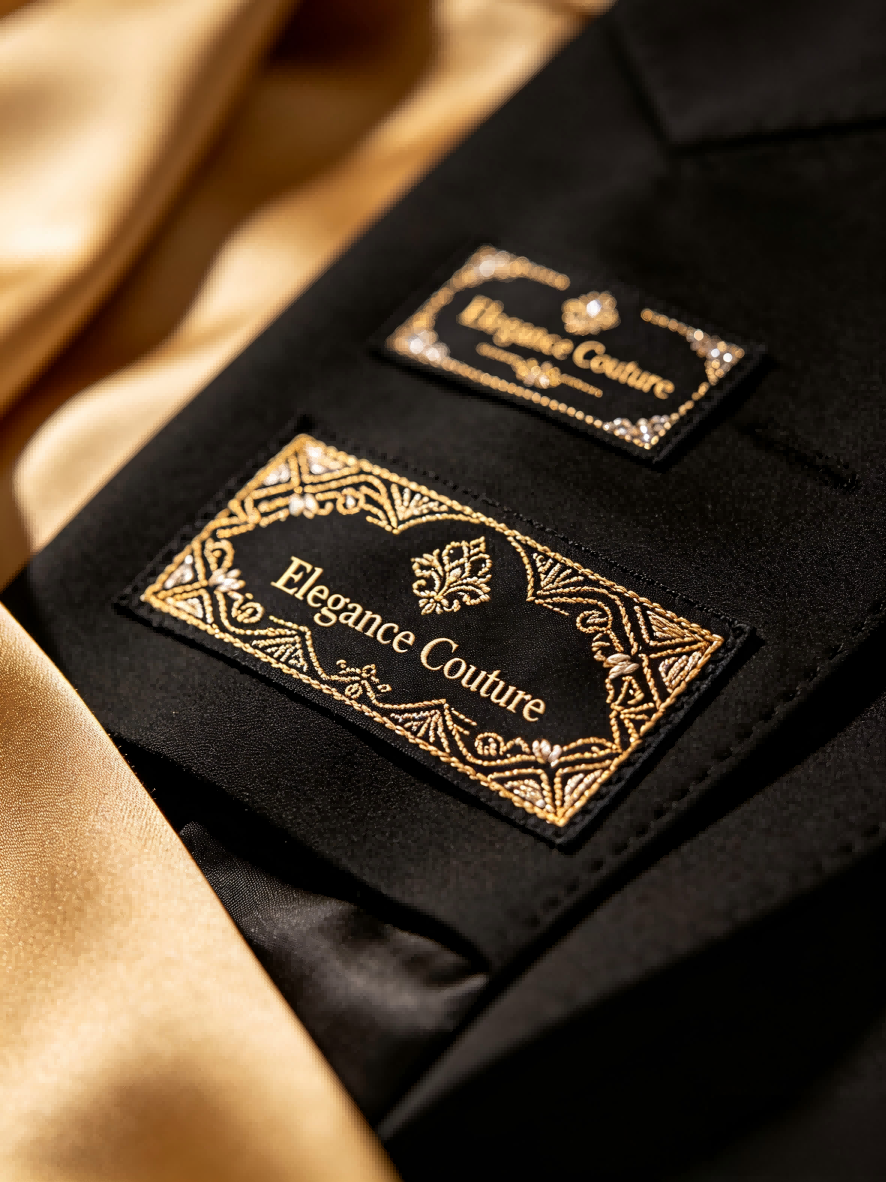
Shape, color, and typography are critical in creating memorable garment hang tag design. Square, round, or custom-die shapes can reinforce uniqueness. Print finishes like embossing, gold foil, or UV spot coating elevate premium positioning.
Functional Integration
A modern garment hang tag goes beyond information—it supports storytelling. QR codes can link customers to product care videos, sustainability statements, or limited-edition campaigns.
Innovation Trends
Eco-materials, NFC tags, and AR-enabled hang tags are increasingly popular. Brands adopting these technologies enhance consumer interaction and showcase commitment to sustainability.

Choosing the Right Supplier and Printing Method
Supplier Criteria
When selecting a supplier, brands should prioritize quality, customization flexibility, and turnaround time. A professional partner ensures that custom apparel hang tags meet both aesthetic and functional needs.
Printing Techniques
High-end labels often choose foil stamping or embossing for tactile elegance. Mid-market retailers benefit from four-color offset printing for cost-efficiency and consistency.
For buyers exploring options, check our guide on custom apparel hang tags to compare different material and finishing choices.

SEO Optimization and Market Trends
To achieve stronger visibility in Google search results, integrating relevant keywords is essential. For example:
-
Hang tags for retail in product page titles to attract retail-focused searches.
-
Product hang tags within descriptions for broader product-based traffic.
-
Product hanging tags in image Alt texts for image-based search optimization.
Additionally, industry trends highlight three directions:
-
Eco-friendly hang tags with recyclable paper and soy-based inks.
-
Interactive tags featuring QR codes or AR experiences.
-
Premium finishes for luxury positioning.
By embedding these elements in content and product listings, brands strengthen both online discoverability and offline appeal.
Conclusion: Hang Tags as a Brand’s Silent Salesperson
From luxury boutiques to fast-fashion retailers, hang tags represent more than product identifiers. They are touchpoints that communicate value, sustainability, and credibility. Investing in innovative garment hang tag design and reliable suppliers allows brands to stand out while meeting consumer expectations. In short, the right product hang tags transform from silent labels into effective brand ambassadors.
Edible Hang Tags: Zero-Waste Innovations in Fashion Packaging
The Strategic Value of Retail and Product Hang Tags in Modern Branding