Home /Blog /Industry Information /The Power of Product Hang Tags and Personalized Clothing Labels in the Fashion Industry /
The Power of Product Hang Tags and Personalized Clothing Labels in the Fashion Industry
In the competitive fashion landscape, product hang tags, hang tags for clothing, and personalized clothing labels are more than mere accessories—they are strategic tools that bridge brands and consumers. These elements convey critical information, reinforce brand identity, and influence purchasing decisions. This guide explores their roles, tailored to industry professionals, with insights into optimization for Google search.
Core Concepts Explained
Product Hang Tags
Product hang tags are card-shaped identifiers attached to products, serving as informational hubs. They typically include product names, prices, materials, sizes, brand logos, origins, care instructions, and anti-counterfeiting features. Materials range from paper and plastic to leather or metal, each reflecting a product’s positioning. For example, luxury brands often use leather hang tags to emphasize exclusivity.
[Insert Image 1: A leather product hang tag with embossed logo. Alt text: Premium leather product hang tag for luxury goods]
Personalized Clothing Labels
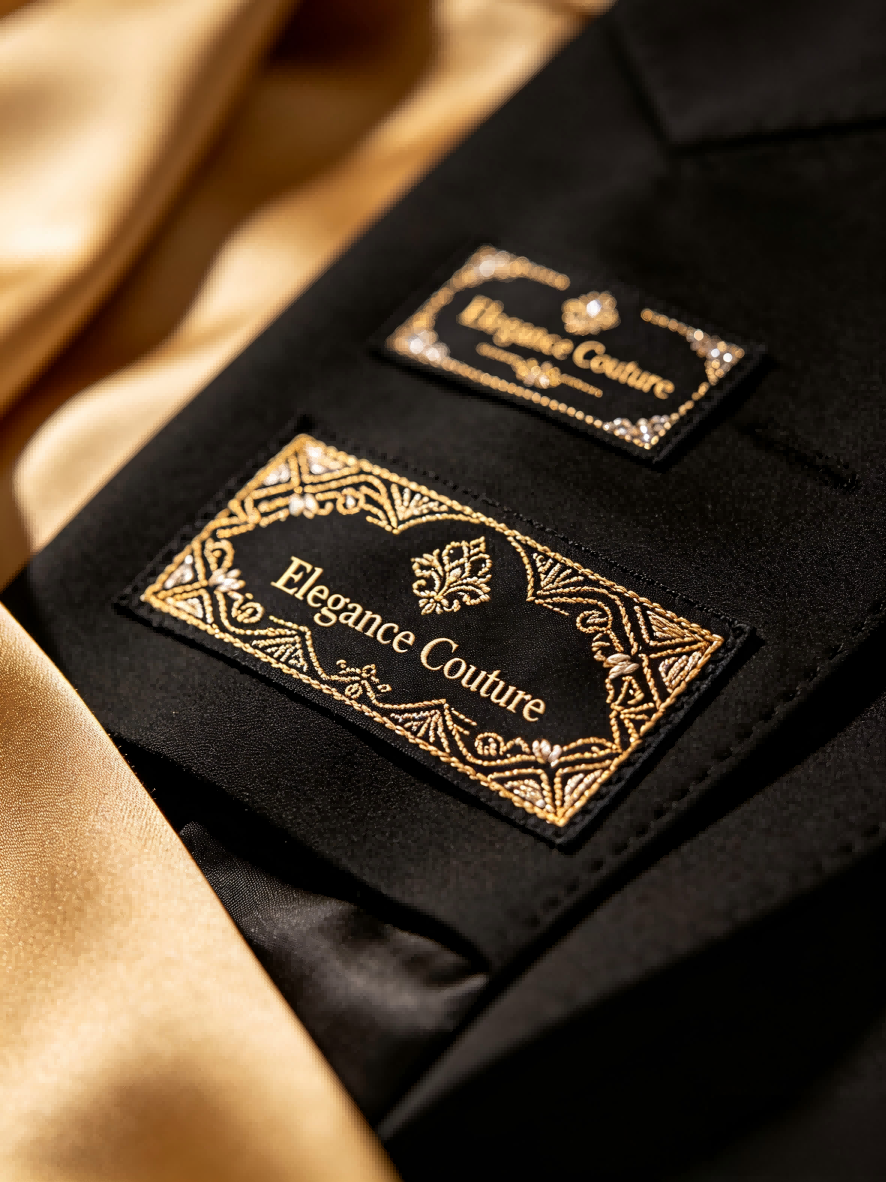
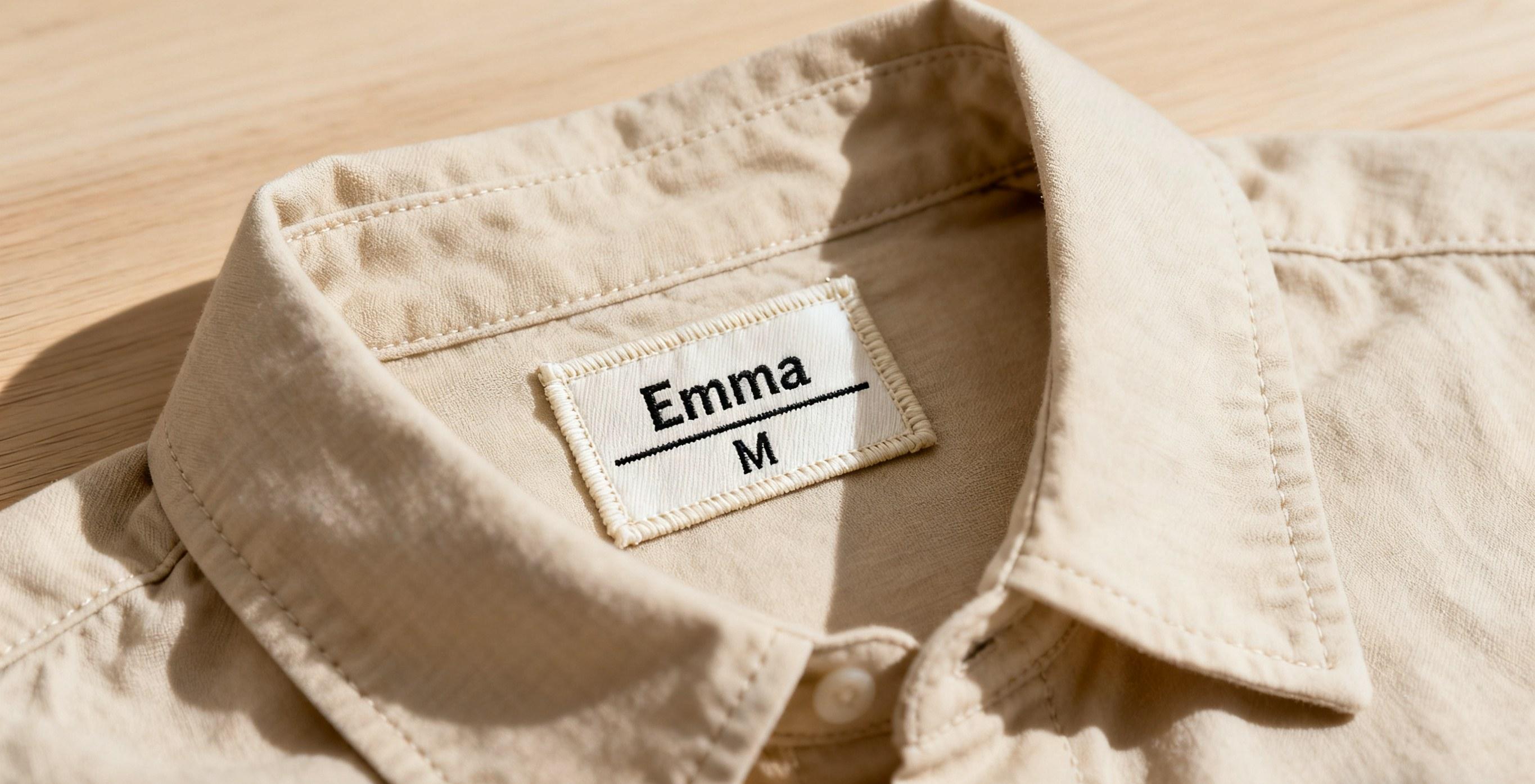
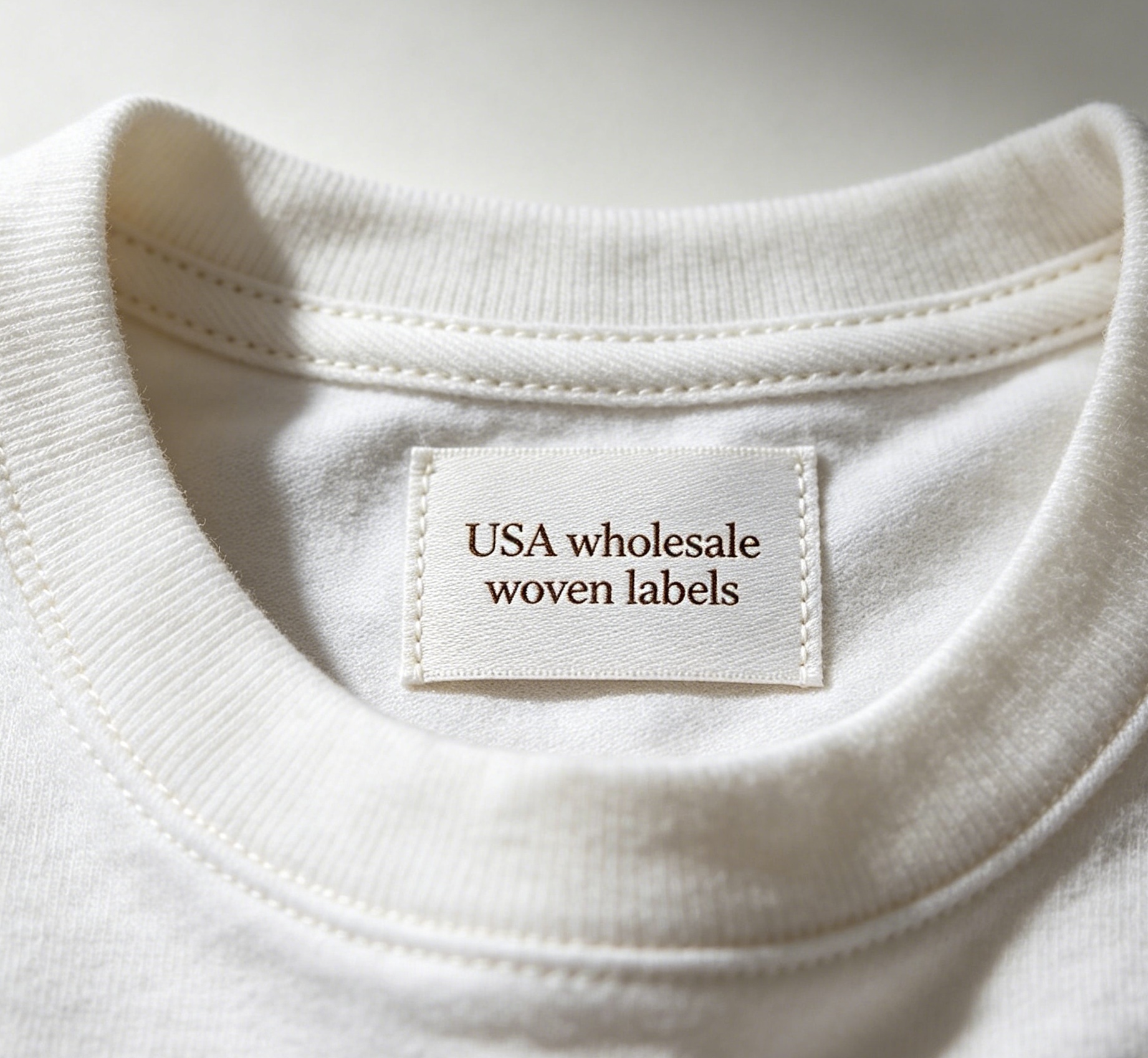
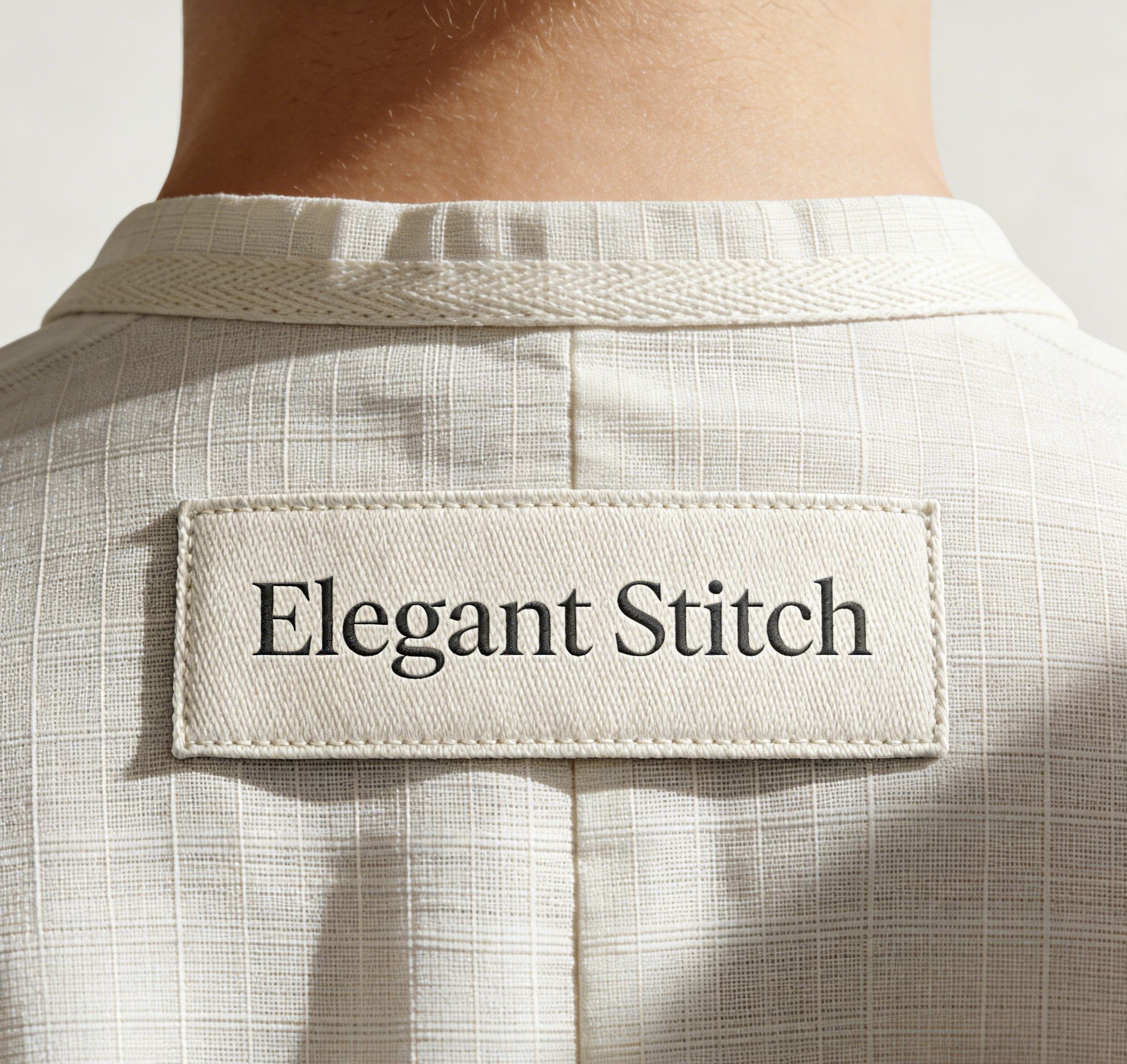
Personalized clothing labels are custom-made tags designed to reflect a brand’s unique identity. They integrate distinctive logos, colors, materials, or craftsmanship, whether sewn into collars, cuffs, or hems. A small-batch brand might use hand-illustrated labels to highlight artisanal quality, making products instantly recognizable.
Hang Tags for Clothing
As a subset of product hang tags, hang tags for clothing are tailored to fashion’s specific needs. Their design and content align with a garment’s style—think elegant typography for evening gowns or rugged textures for denim. These tags enhance shelf appeal and guide shoppers.
Meeting Customer Needs
Large Fashion Brands
Big brands prioritize consistency and luxury. For product hang tags, they opt for premium materials and intricate designs. A luxury label once used imported specialty paper with embossed logos and brand stories, boosting sales by 25% for its collection. Their personalized clothing labels feature unique embroidery; a sportswear giant’s limited-edition shoes, with custom-colored labels, sold out in days. For hang tags for clothing, alignment with collection themes is key—one fashion house’s vintage line saw a 40% sales jump thanks to matching retro hang tags.
Small and Medium-Sized Retailers
Cost-effectiveness drives decisions for smaller retailers. A mid-sized women’s store used standard paper product hang tags with clear pricing and sizes, cutting costs and increasing repeat customers by 15%. Simple personalized clothing labels—like a men’s retailer adding “Quality Focused” logos—lifted brand recall by 20%. Their hang tags for clothing prioritize speed; a fast-fashion chain’s promotional hang tags spiked sales by 50% during a discount event.
Designer Studios
Creativity defines designer needs. A sustainable studio crafted leaf-shaped, biodegradable product hang tags for an eco-collection, drawing attention at fashion week and boosting orders by 60%. Independent designers use fabric-matched, hand-sewn personalized clothing labels—one’s gowns commanded 30% higher prices due to these unique tags. Their hang tags for clothing double as art; hand-drawn illustrations on a designer’s collection tags led to sell-outs and exhibition invites.
E-Commerce Sellers
Practicality matters most online. An e-tailer added “Wrinkle-Free” and size charts to product hang tags, increasing conversions by 20% and reducing returns by 15%. Personalized clothing labels with store logos boosted repeat purchases by 25%. Lightweight, detachable hang tags for clothing with QR codes linking to styling videos raised sales by 35% while cutting shipping costs.
Design and Production Best Practices
Design Principles
- Brand Alignment: Tags and labels should mirror brand identity—minimalist for modern brands, ornate for luxury.
- Clarity: Prioritize key info (size, care) to avoid overwhelming shoppers.
- Creativity: Stand out with unique shapes (e.g., die-cut product hang tags) or textures.
- Compliance: Ensure accurate material and care claims to meet regulations.
Material Selection
- By Positioning: Luxury uses leather or metal; budget brands opt for paper or plastic.
- Practicality: Durable materials for hang tags for clothing (to survive handling) and fabric-friendly options for personalized clothing labels (to avoid irritation).
- Eco-Focus: Recycled paper or biodegradable plastics appeal to green consumers.
Key Techniques
- Printing: Hot stamping or UV coating elevates product hang tags; embroidery enhances personalized clothing labels.
- Production: Die-cutting for unique shapes (hang tags for clothing) or sewing for secure label attachment.
Google Optimization Tips
- Keywords: Naturally integrate “product hang tags”, “personalized clothing labels”, and “hang tags for clothing” in titles, headings, and image alt-text.
- Content Quality: Offer unique insights (e.g., “5 Eco-Materials for Product Hang Tags”) to engage readers.
- Internal Links: Connect to related pages, like a guide on “Designing Personalized Clothing Labels”.
- Image SEO: Name files descriptively (e.g., “vintage-hang-tags-for-clothing.jpg”) and use precise alt text.
Conclusion
Product hang tags, personalized clothing labels, and hang tags for clothing are vital to fashion success. By aligning with customer needs—whether luxury, cost, creativity, or practicality—and optimizing for search, brands can strengthen identity and drive sales. Invest in these details to turn ordinary tags into powerful brand assets.
Release time: 2025-06-04
Glow-in-the-Dark Hang Tags: Nightlife Fashion Meets Safety
Designing High-Quality Garment Hang Tags: How Personalized Tag Printing Boosts Your Brand
Related blog