The Evolution and Value of Sewing Labels in Modern Fashion
Introduction: From Function to Brand Strategy
Labels have evolved from simple identifiers into critical tools for branding, compliance, and consumer trust. Unlike printed tags, sewn labels and stitched labels deliver durability, comfort, and a premium finish. For modern fashion, labels are no longer an afterthought—they are silent ambassadors of quality and brand story. Whether it is basic sewing tags or high-end woven solutions, labels play a strategic role in both retail and manufacturing.
Material Choices: Satin vs. Taffeta Labels
Satin Woven Labels
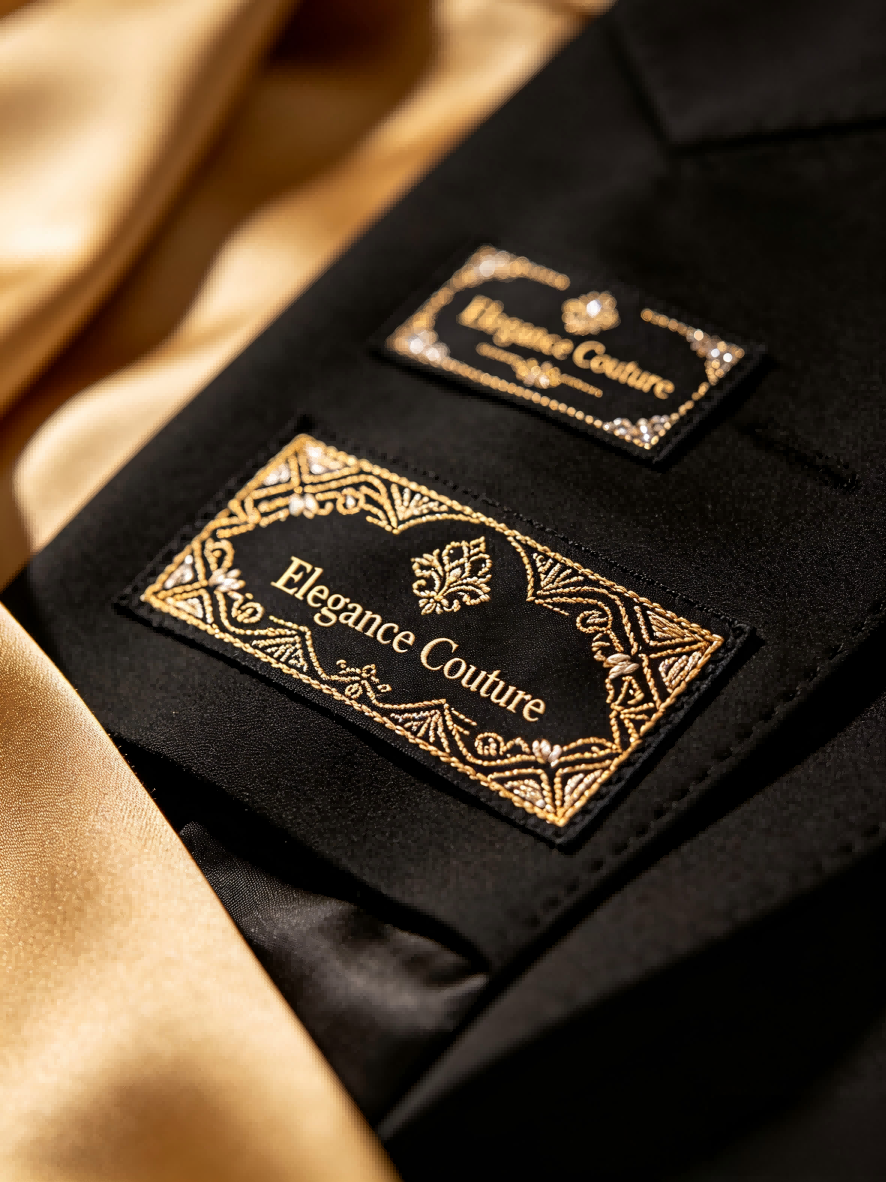
Satin woven labels are prized for their smooth texture and elegant sheen. Luxury brands and premium fashion designers often use them to reinforce a high-end identity. These labels elevate the tactile experience while maintaining legibility of brand and care instructions.
Taffeta Labels
On the other hand, a taffeta label is lightweight, cost-effective, and practical. Often applied in large-scale garment production, taffeta is durable enough to withstand repeated washing and handling. It is a reliable solution for fast-fashion retailers and mid-market brands looking to balance efficiency with brand consistency.
Both materials influence how consumers perceive comfort and quality. Choosing between satin and taffeta depends on the target market and brand positioning.

Functional Applications of Sewing Labels
Sewing Labels for Clothes
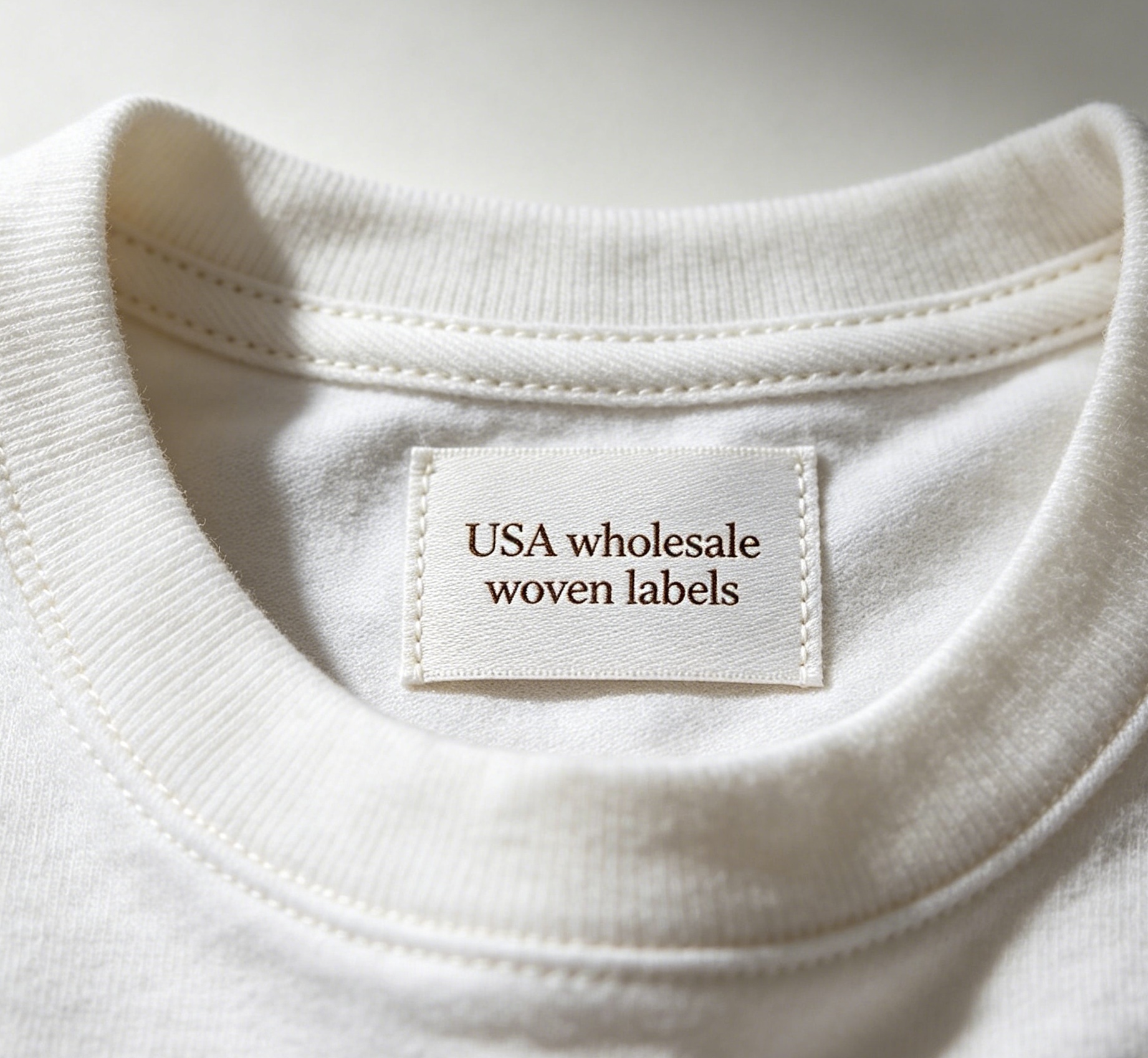
Sewing labels for clothes are indispensable for communicating essential details such as brand name, size, and care instructions. In retail and apparel manufacturing, these labels improve product traceability and ensure consistent brand presence across collections. For clothing suppliers, investing in durable sewing tags ensures fewer replacements and better customer experience.
Sewing Name Labels and Name Tags
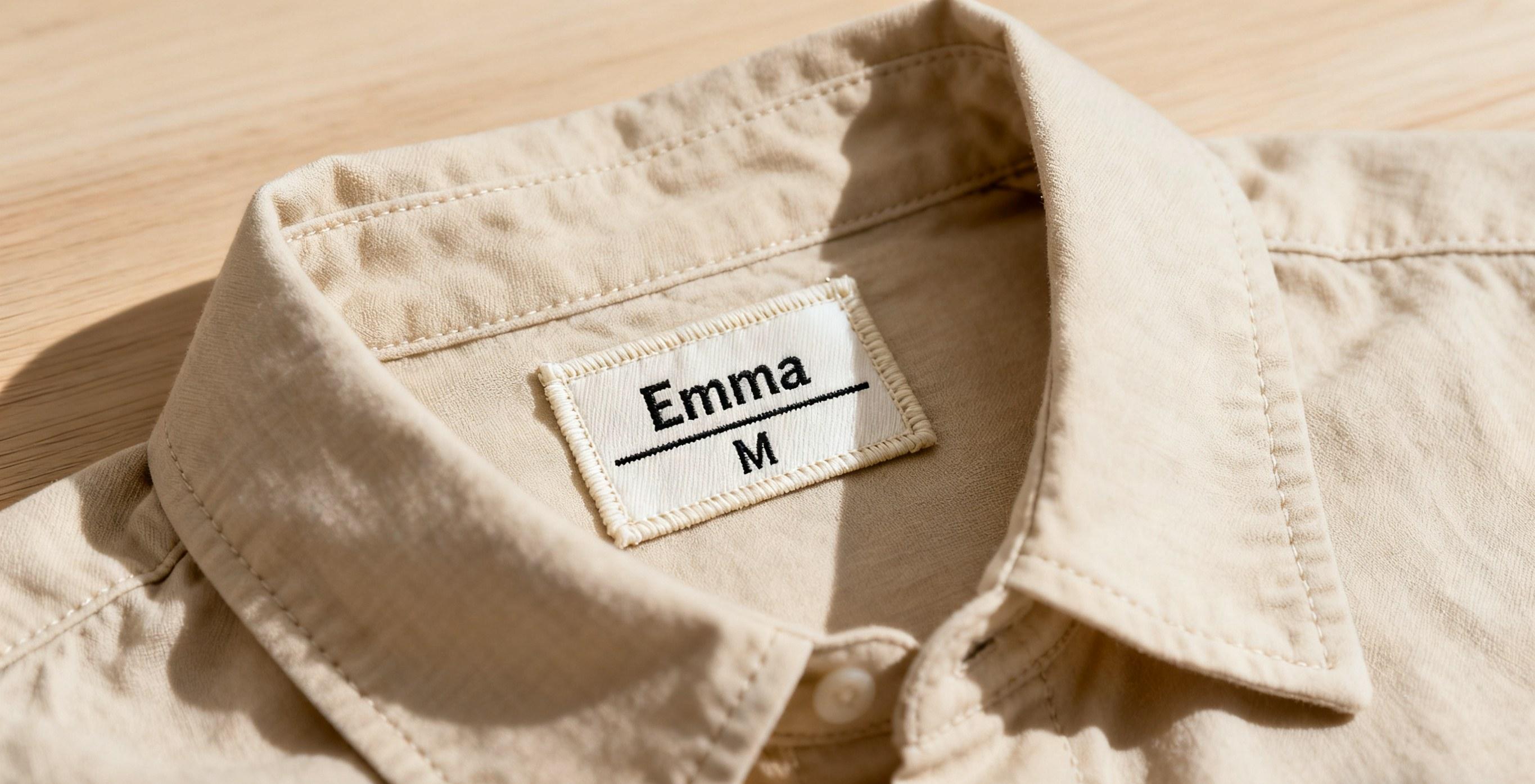
Personalized identification remains crucial across industries. Sewing name labels and sewing name tags are common in school uniforms, hospital scrubs, and workwear. These labels reduce loss, streamline garment management, and support individual personalization. For industries handling bulk uniforms, woven or stitched name labels enhance efficiency and accountability.

Branding and Production Considerations
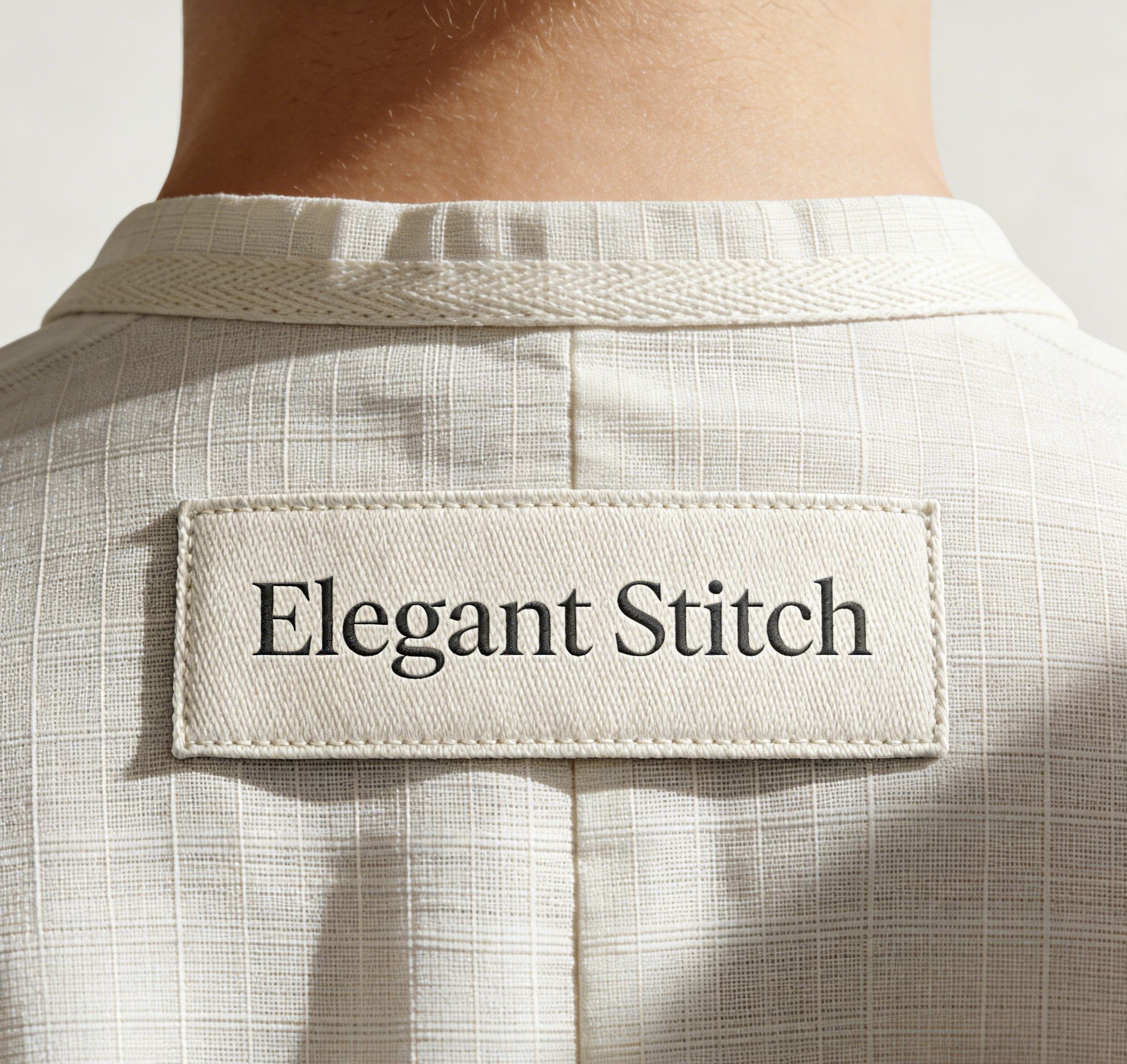
From a branding perspective, stitched labels communicate professionalism and trustworthiness compared to cheaper printed alternatives. A quality woven label also aligns with sustainability trends by offering durability that extends the garment’s lifespan.
For manufacturers, production choices matter: thread type, weaving technology, and eco-friendly dyes all affect costs and outcomes. Satin labels project luxury, while taffeta ensures affordability and scale. Labels are small in size but significant in shaping consumer impressions.

Industry Trends and Customer Value
Three main trends dominate today’s sewn label market:
-
Sustainability: Eco-friendly fibers and recyclable materials are gaining traction.
-
Digitalization: Advanced weaving technology enables precision and custom branding at scale.
-
Customization: Brands increasingly demand bespoke satin woven labels and taffeta label solutions that align with their unique identities.
For customers—whether apparel brands, manufacturers, or retailers—investing in sewn labels is not just about compliance. It is about building consumer loyalty, delivering comfort, and reinforcing the brand story at every touchpoint.
Conclusion
The role of sewing labels has transformed dramatically. From sewn labels and stitched labels to satin woven labels and taffeta label options, labels today embody brand identity, quality, and sustainability. For industry professionals, the right label solution is not a minor detail but a long-term investment in brand value and consumer trust.
? Learn more about custom woven labels and explore how high-quality sewing solutions can elevate your apparel branding.
The Strategic Value of Woven Labels in Modern Apparel
The Strategic Role of Sewing Labels