The Strategic Role of Sewing Labels
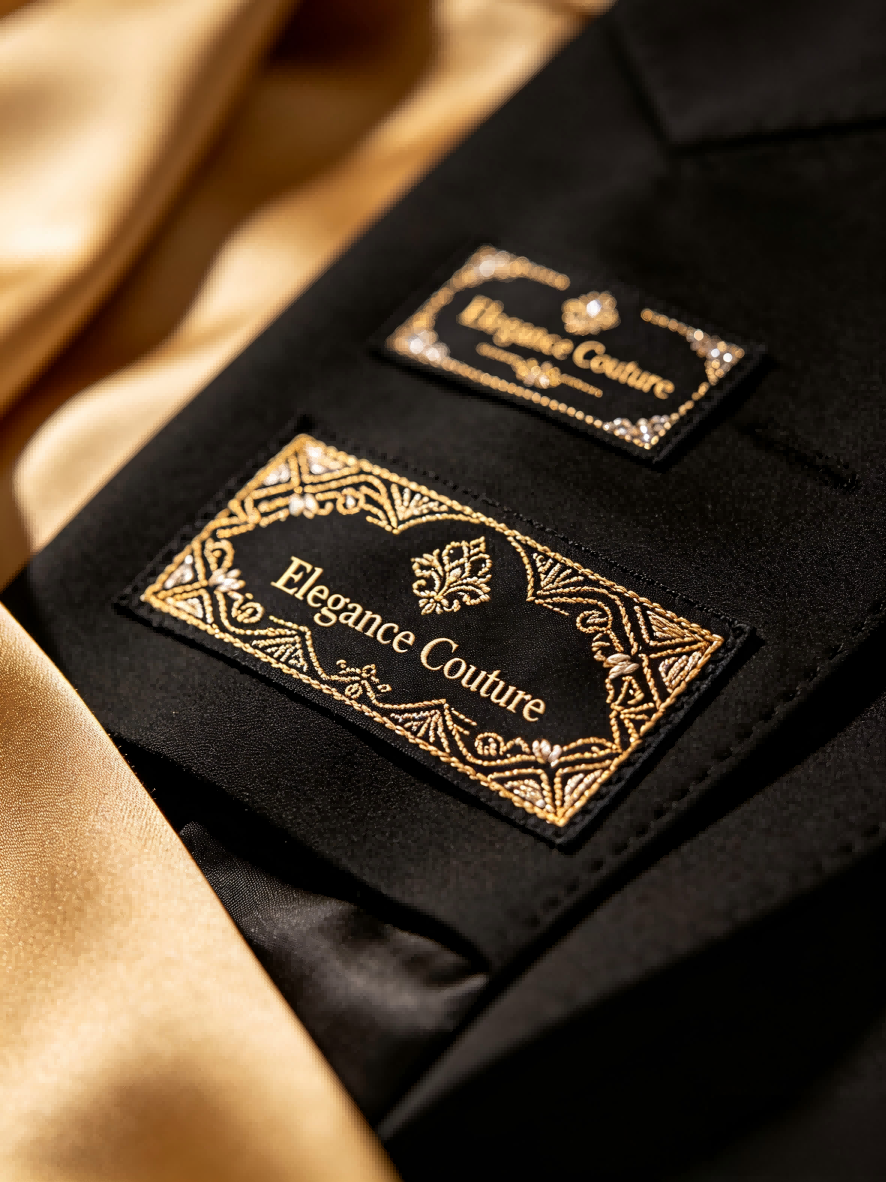
In today’s fashion and apparel industry, sewing labels are no longer treated as minor accessories. They have evolved into powerful branding elements, ensuring product authenticity, consumer trust, and compliance with market regulations. Compared with printed tags, sewn labels and stitched labels provide superior durability and a more professional look, making them the preferred choice for both premium and mass-market brands.
Functional Roles of Sewing Labels
Sewing Labels for Clothes
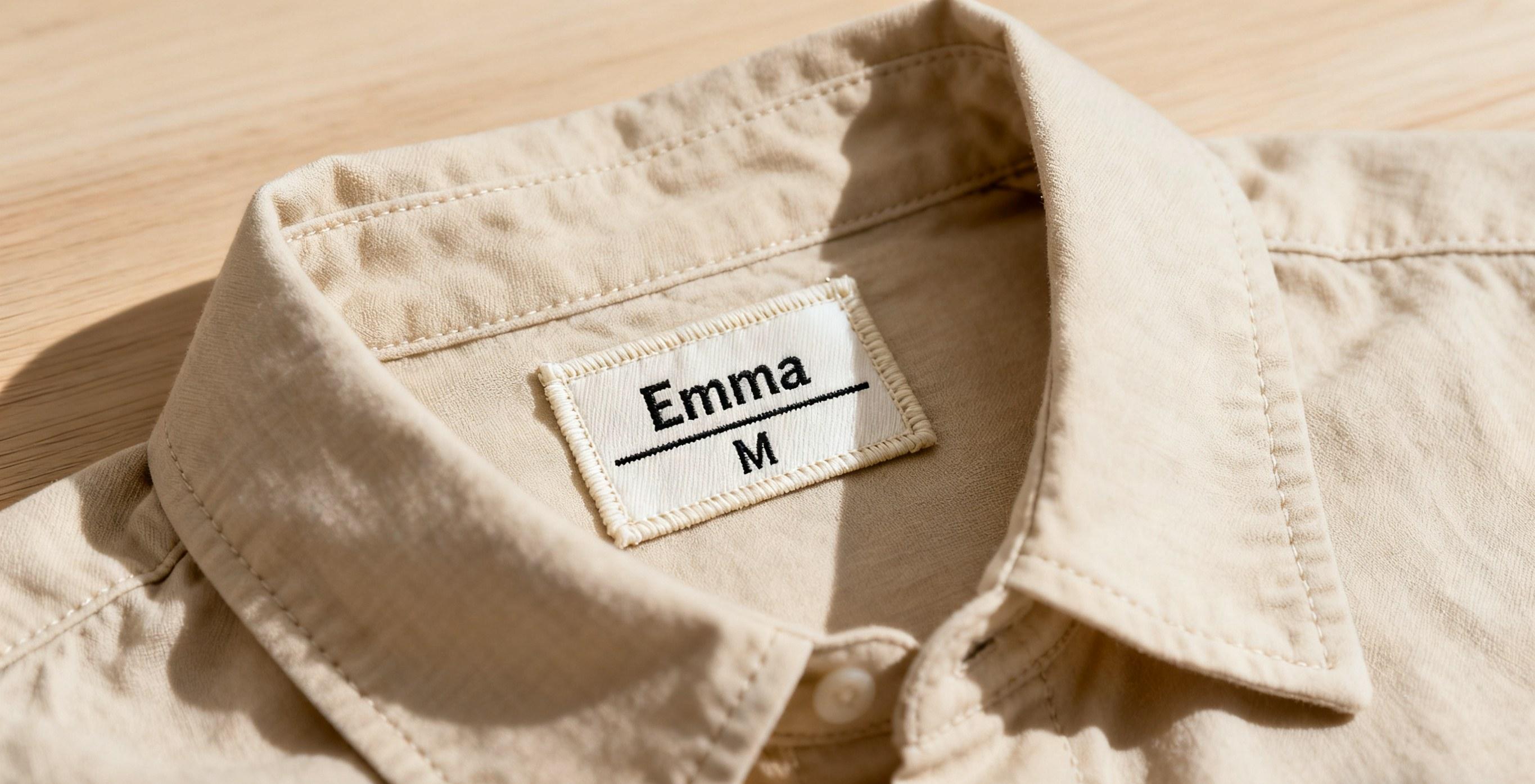
Every garment requires clear labeling to convey essential information such as brand identity, size, and care instructions. Sewing labels for clothes enhance consumer confidence while helping retailers streamline inventory management. Whether in high-fashion, children’s wear, uniforms, or activewear, these labels play a vital role in both functionality and branding.

Stitched Labels and Their Advantages
When compared with heat-pressed alternatives, stitched labels and sewn labels last longer, maintaining their clarity even after multiple washes. This level of resilience signals quality and care, making stitched options the go-to choice for manufacturers looking to emphasize brand credibility.
Material Options and Comfort
The choice of material impacts not only the durability but also the wearer’s comfort. Satin woven labels are smooth, elegant, and favored by luxury fashion houses for their premium feel. On the other hand, the taffeta label is lightweight, durable, and cost-effective, making it ideal for large-scale production.
High-end brands often choose satin for consumer comfort, while taffeta meets the needs of mass-market apparel. Balancing comfort and practicality ensures labels deliver value across diverse product lines.

Production and Branding Considerations
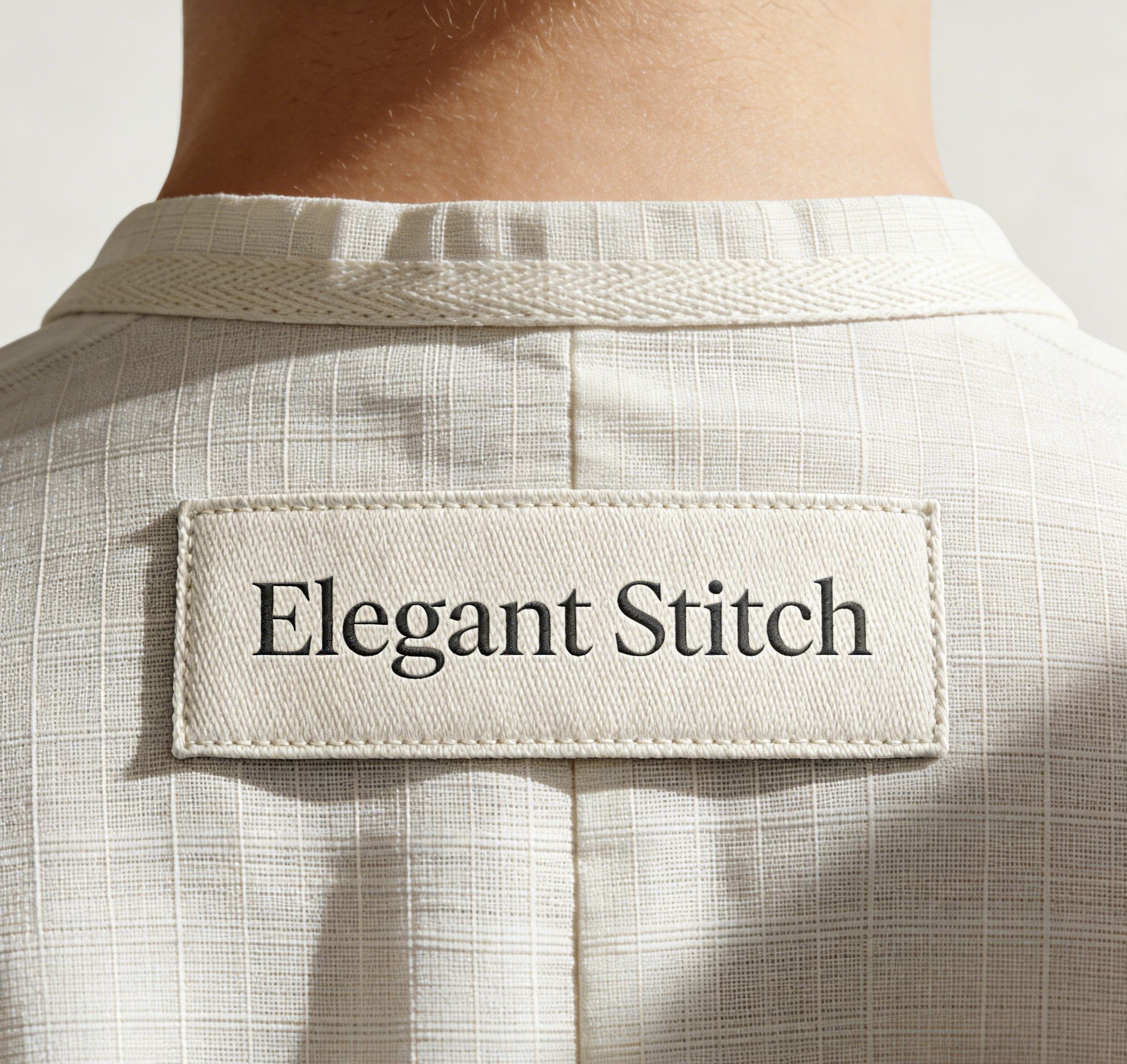
For manufacturers, production methods significantly affect both efficiency and costs. Sewn labels demonstrate meticulous craftsmanship, while stitched labels stand out for their durability compared to heat-pressed versions. For brands, choosing the right label communicates quality and professionalism to consumers.
When considering quality woven alternatives, it is important to align the production method with the target market. Premium fashion requires attention to detail, while large-scale production demands cost efficiency without compromising durability.
Industry Value and Future Trends
For apparel brands, investing in the right sewing labels is a subtle yet powerful way to enhance brand perception. Consumers interpret well-designed labels as an indicator of trustworthiness and product value.
The future of labeling is shifting toward sustainability and innovation:
-
Eco-friendly materials such as recycled fibers and organic cotton.
-
Low-impact dyes that reduce environmental footprint.
-
Digital weaving technology allowing precise customization.
Fashion brands that adopt satin woven labels and taffeta labels with sustainable practices will not only meet consumer expectations but also comply with upcoming environmental regulations.

Conclusion
Sewing labels have transformed from basic identifiers into strategic brand assets. For businesses in the fashion industry, choosing the right material, method, and design can improve both brand recognition and consumer experience.
From sewn labels that showcase craftsmanship to satin woven labels for luxury appeal, or taffeta labels for cost-effective production, the right decision creates lasting impact. Brands seeking long-term success should prioritize quality, comfort, and sustainability when designing their labels.
For more insights on custom branding elements, explore our guide to woven clothing labels where we cover design and production best practices.
The Evolution and Value of Sewing Labels in Modern Fashion
The Power of Custom Sewing Labels in Handmade and Apparel Branding