The Strategic Role of Embroidered Labels and Woven Tags in Modern Branding
1. Introduction – The Evolving Role of Clothing Labels in Branding
In today’s competitive fashion landscape, clothing labels are far more than functional tools for size or care instructions—they are silent brand ambassadors. A well-crafted label can elevate a product’s perceived value, reinforce brand identity, and even drive consumer loyalty. Among the most impactful options are embroidered labels for clothing, woven tags, and woven tags for clothing—each with unique strengths that align with distinct brand goals.
This article breaks down how these labels function as strategic assets, helping brands, manufacturers, and designers leverage them to stand out in crowded markets. Whether you’re launching a luxury line or scaling a casualwear brand, understanding the nuances of these labels can transform your product’s market appeal.

2. Understanding the Difference: Embroidered vs. Woven Tags
2.1 Embroidered Labels for Clothing
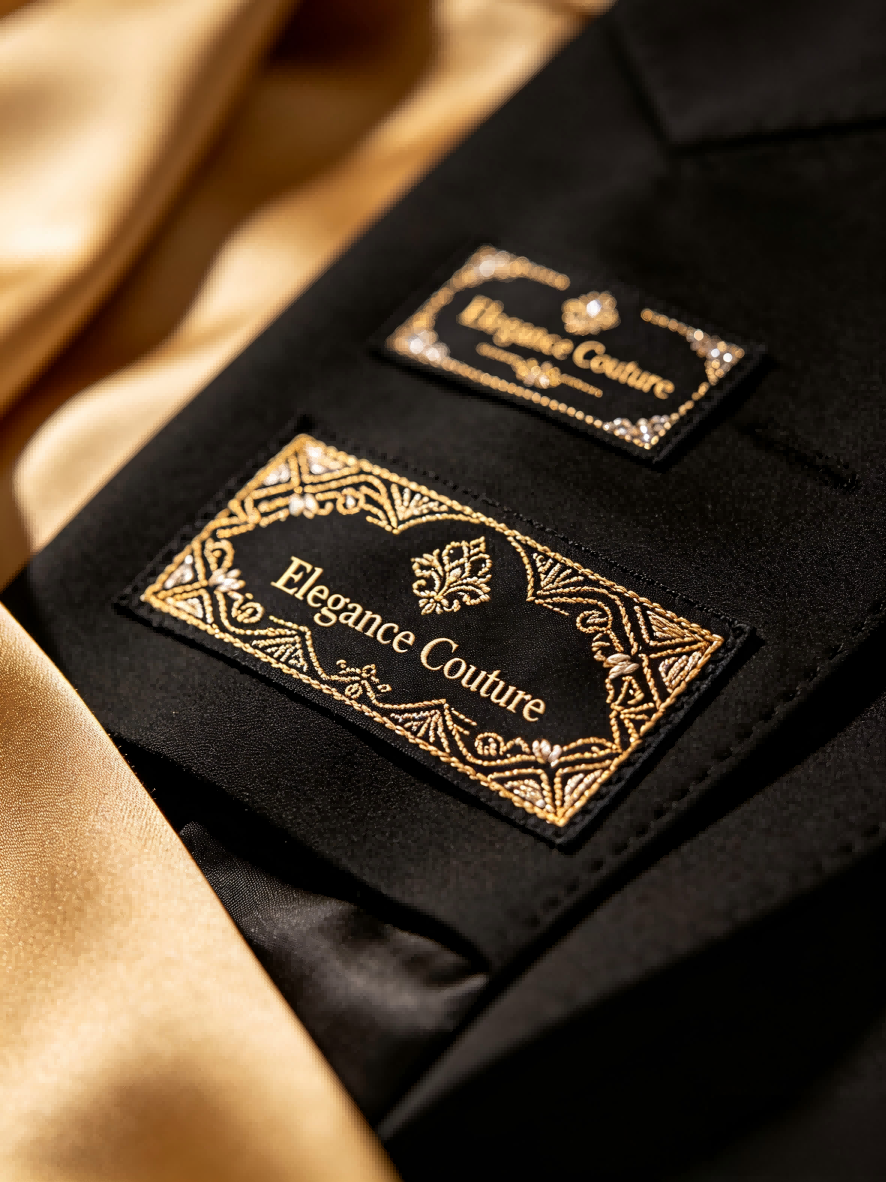
Embroidered labels for clothing are defined by their three-dimensional stitchwork, created by sewing threads directly onto a base fabric. This 工艺 (craftsmanship) yields a tactile, raised texture that adds depth to logos, monograms, or intricate patterns—making them ideal for brands aiming to convey luxury.
- Best for: High-end 时装 (fashion), designer couture, and limited-edition collections where exclusivity matters.
- Pros: Unmatched premium feel; bold, eye-catching designs that pop against fabric.
- Cons: Less effective for tiny text (stitch size limits legibility); higher production costs for complex designs.
2.2 Woven Tags / Woven Tags for Clothing
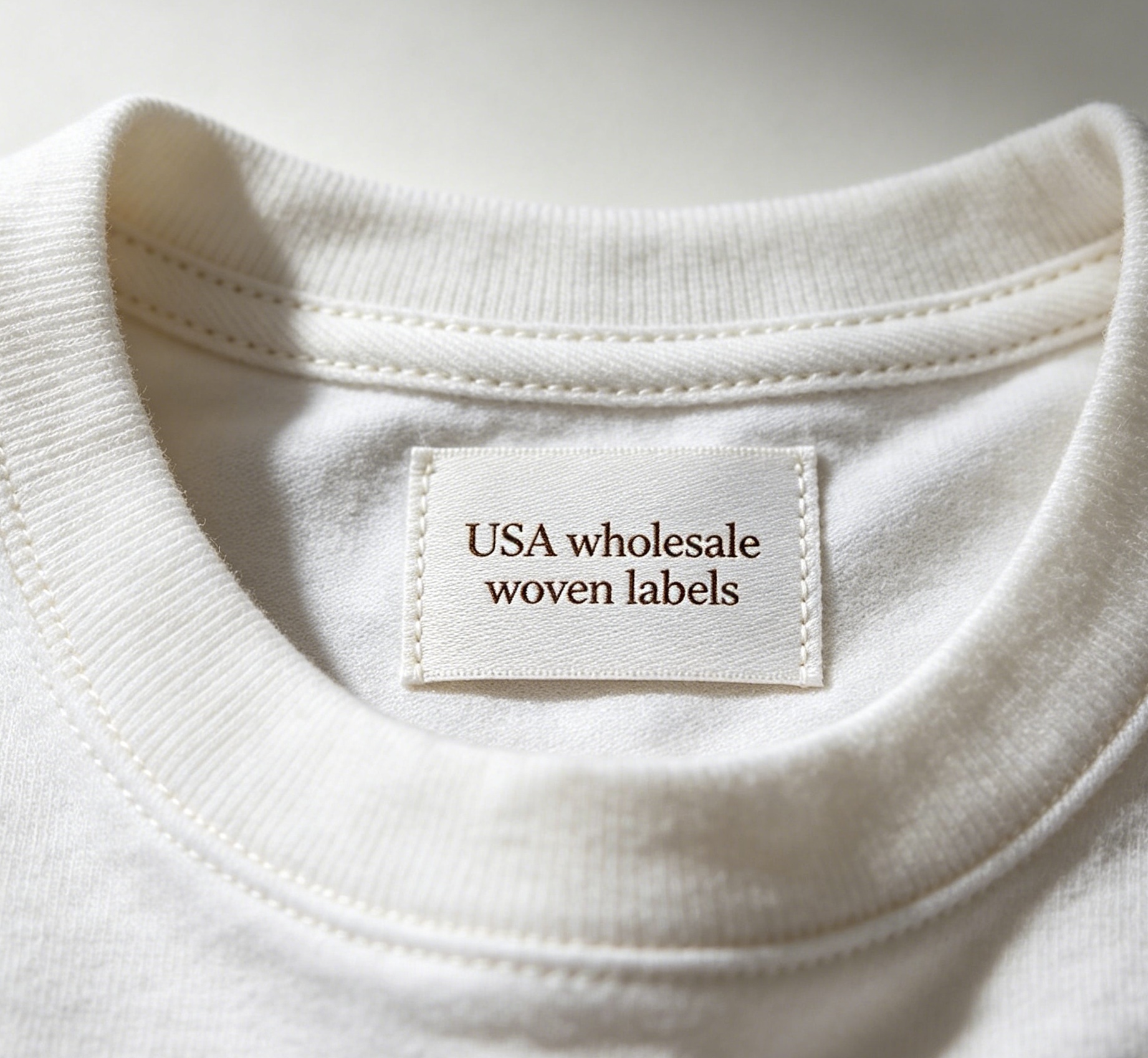
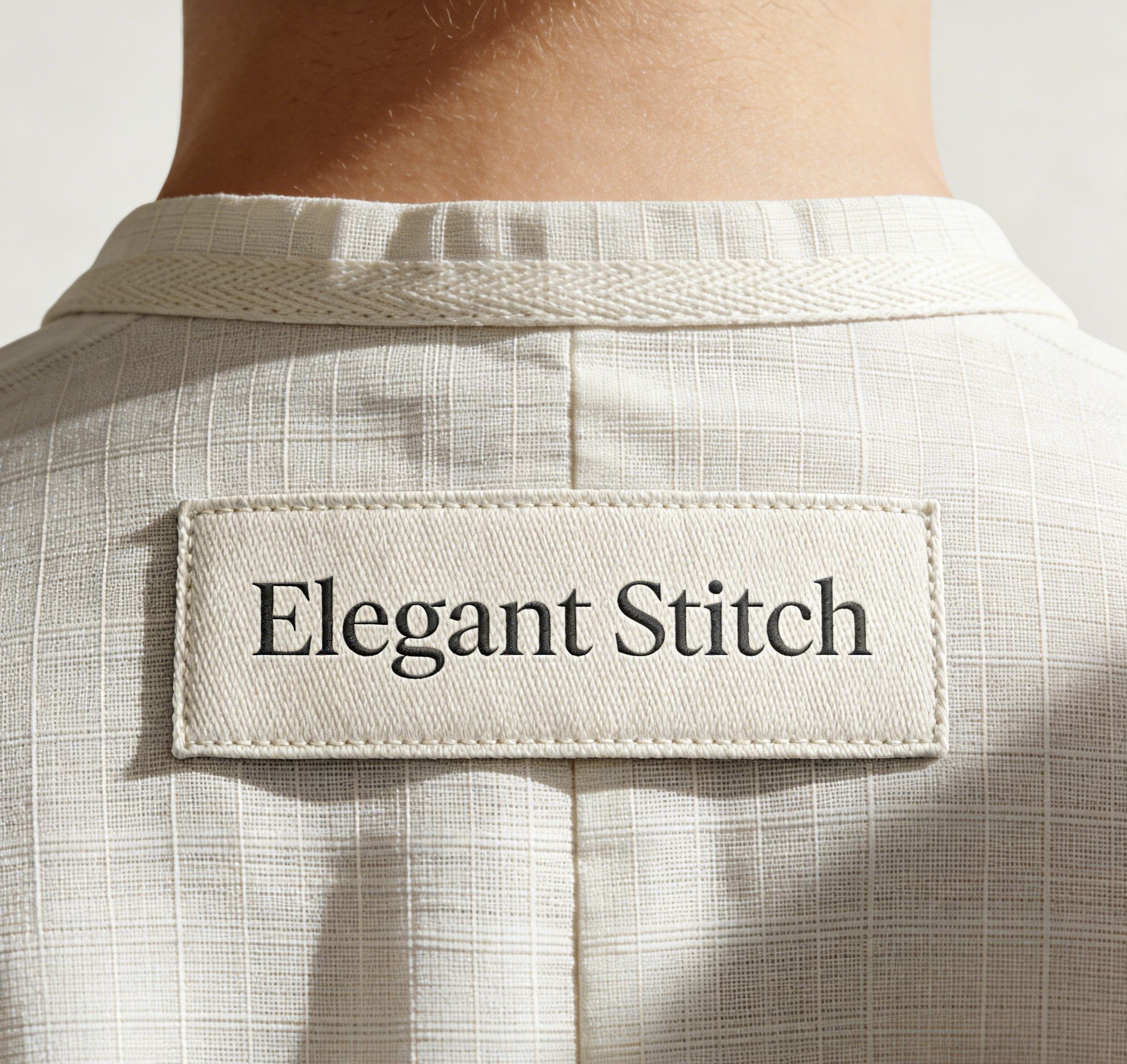
Woven tags (and woven tags for clothing specifically) are crafted by interlacing threads to form patterns or text, integrating the design directly into the label’s structure. This method creates a smooth, durable finish where the artwork becomes part of the fabric itself.
- Best for: Casualwear, denim, sportswear, and mass-produced lines—thanks to their resilience.
- Pros: Exceptional durability (withstands repeated washes); sharp detail retention, even for small text; cost-effective for large runs.
- Cons: Softness varies by material; some woven fabrics may feel stiffer than embroidered options on delicate garments.
3. Industry-Specific Applications & Best Practices
3.1 Luxury & Designer Brands
Luxury brands thrive on craftsmanship, and embroidered labels for clothing often take center stage here. For example, a high-end leather house might use gold-thread embroidery to replicate its iconic crest on silk blouses, turning the label into a storytelling element. Similarly, woven tags with metallic yarns add understated opulence to cashmere sweaters, aligning with a brand’s legacy of refinement.
3.2 Streetwear & Casual Brands
Streetwear relies on bold, instantly recognizable branding—making woven tags for clothing a staple. Brands like Supreme or Stüssy use vibrant, thickly woven tags on hoodies and jeans, ensuring logos remain vivid even after years of wear. Their durability and cost-efficiency fit the genre’s demand for accessible, high-impact design.
3.3 Sportswear & Outdoor Apparel
Performance-focused brands prioritize function, so woven tags are non-negotiable. Outdoor gear makers like Patagonia use moisture-resistant woven tags on jackets and hiking pants, ensuring care instructions stay intact through rain, sweat, and frequent washing. Their ability to withstand harsh conditions makes them indispensable here.
4. Design Considerations for Maximum Brand Impact
- Color Consistency: Match thread colors across embroidered labels and woven tags to reinforce brand recognition. For example, a brand with a signature red should test both embroidery floss and woven yarn to ensure hue uniformity.
- Typography: Fine text shines on woven tags, while bold fonts and logos benefit from embroidery’s texture.
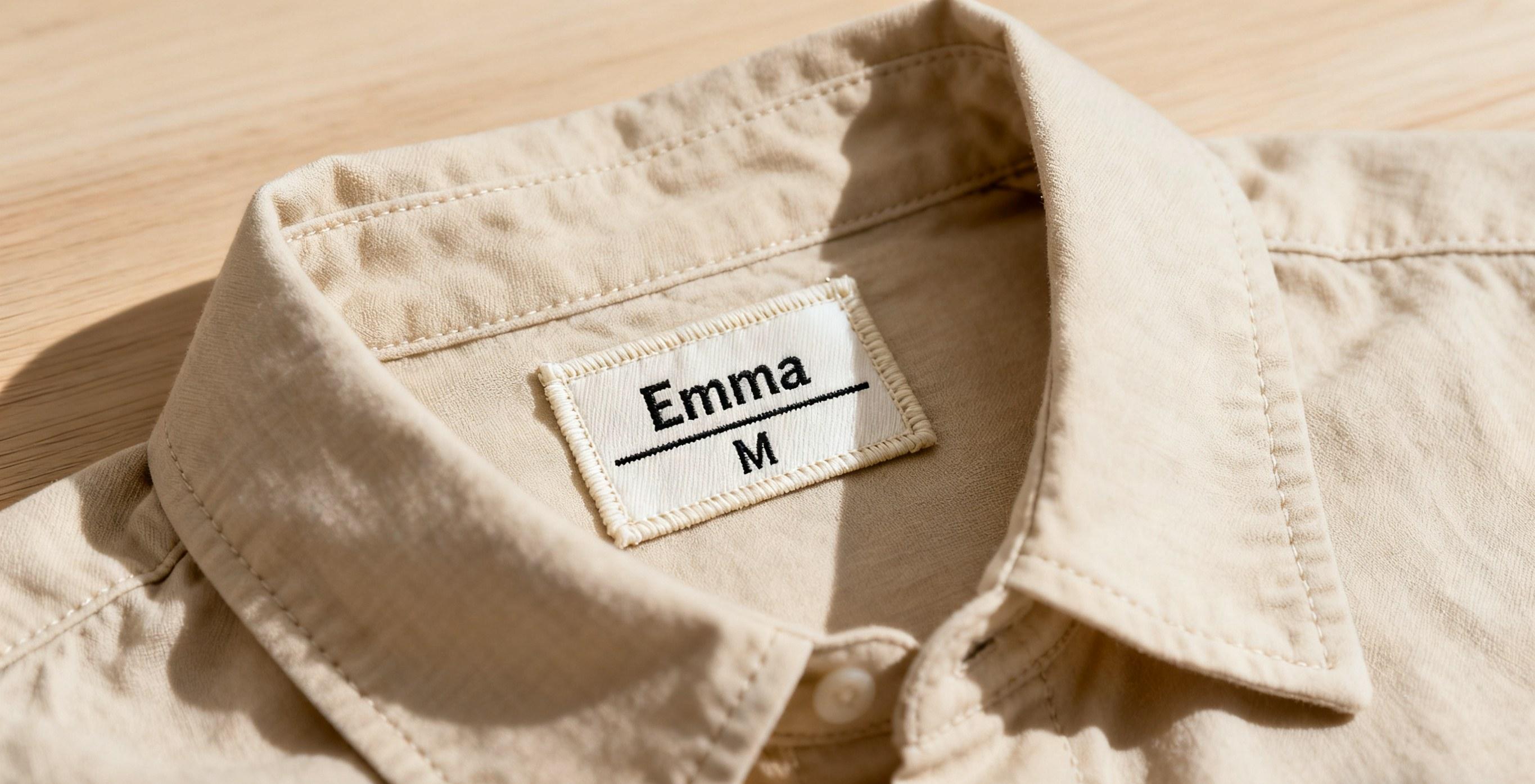
- Placement: Luxury brands often tuck embroidered labels inside collars for subtlety, while streetwear places woven tags externally (e.g., on denim back pockets) as a statement.

[Insert Image 2: Same brand’s labels placed on collar, hem, and side seam—embroidered vs woven. Alt text: Brand labels in different garment positions, comparing embroidery and woven styles.]
5. Quality & Production Guidelines
- Materials: Choose cotton or recycled fibers for softness in loungewear; opt for polyester blends for woven tags for clothing in activewear.
- Testing: Ensure labels pass 50+ wash cycles—critical for woven tags in kidswear or workwear.
- Eco-Trends: Use organic threads for embroidery or recycled yarns for woven tags to appeal to sustainability-focused consumers.
6. Regulatory Compliance
Global markets mandate clear labeling: EU laws require fiber content on woven tags, while U.S. regulations demand care instructions. Balance compliance with aesthetics—for example, luxury brands often miniaturize text on embroidered labels without sacrificing readability.
7. Conclusion & Call-to-Action
The choice between embroidered labels for clothing, woven tags, and woven tags for clothing hinges on your brand’s identity, product type, and audience. Luxury demands embroidery’s artistry; durability-driven lines need woven tags’ resilience.
Ready to elevate your branding? Explore custom options tailored to your needs—from metallic-thread woven tags to hand-embroidered logos. Contact our team for samples and expert guidance.

[Insert Image 3: Workshop scene: Machines weaving tags and embroidering labels, workers inspecting quality. Alt text: Production workshop with weaving and embroidery machines creating clothing labels.]
The Power of Custom Labels in the Apparel Industry
Design & Production Best Practices for Custom Clothing Labels