Top 5 Mistakes to Avoid When Designing Custom Garment Labels
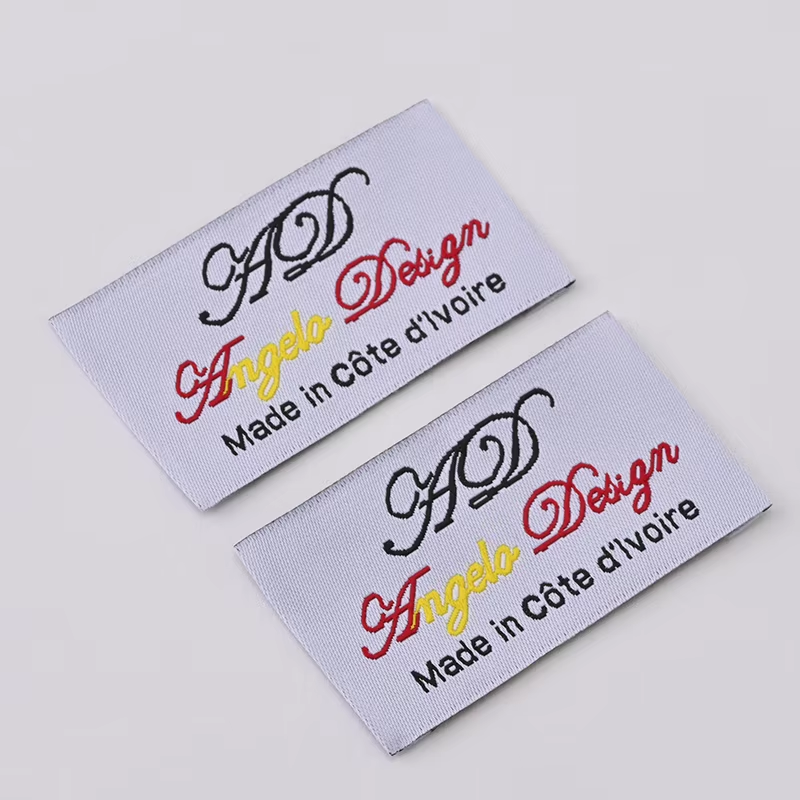
Designing custom garment labels is an exciting process, but it’s easy to make mistakes that can undermine your brand’s professionalism. Whether you’re creating garment content labels for compliance or iron-on garment labels for a personalized touch, avoiding common pitfalls is key to success. Here are the top 5 mistakes to avoid when designing your labels.
1. Ignoring Legal Requirements for Garment Content Labels
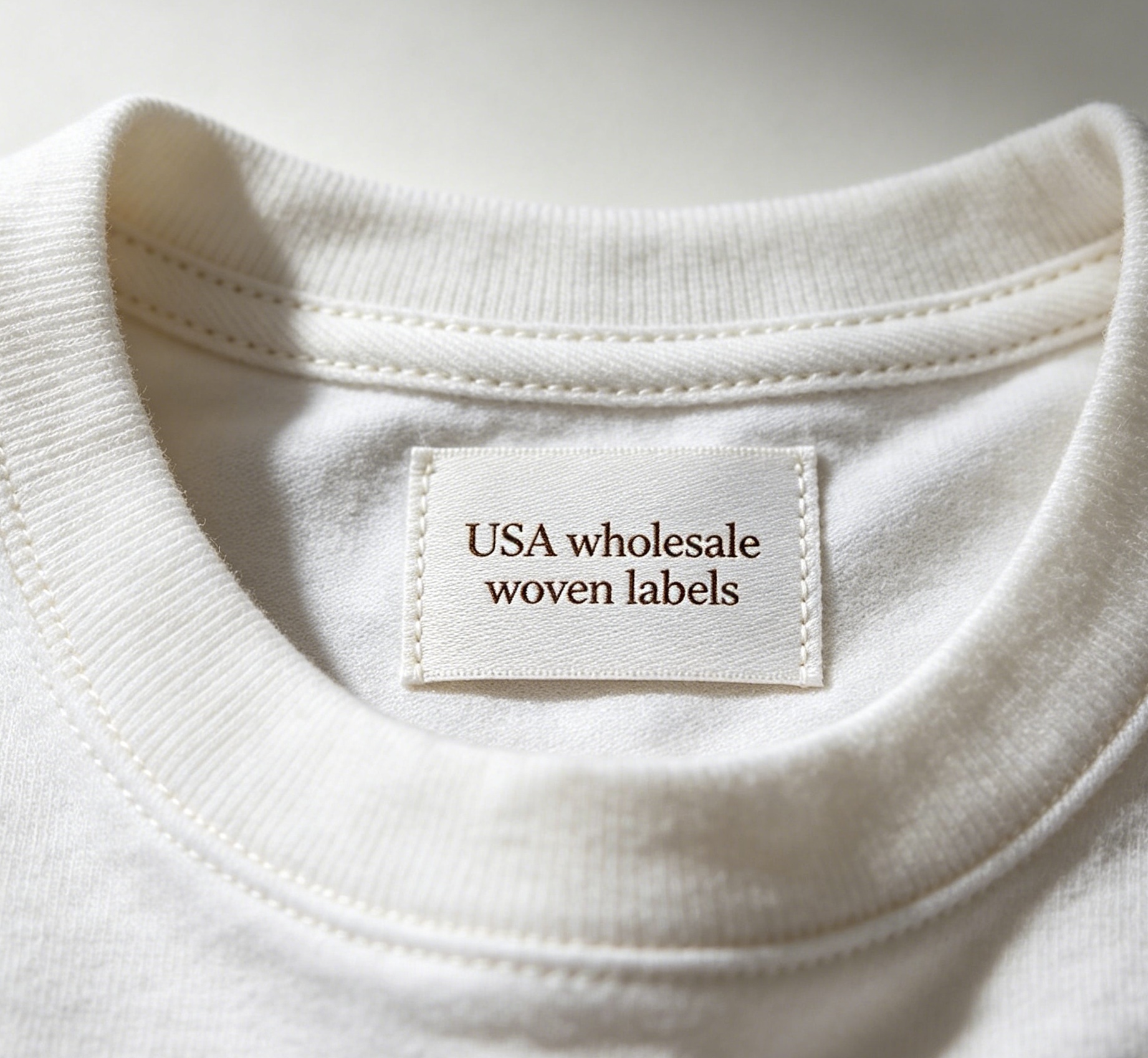
One of the biggest mistakes brands make is neglecting the legal requirements for garment content labels. These labels must include specific information, such as fabric composition, care instructions, and country of origin. Failing to comply with these regulations can result in fines or even product recalls. Always research the labeling laws in your target market and ensure your custom garment labels meet all necessary standards.
2. Overcomplicating the Design
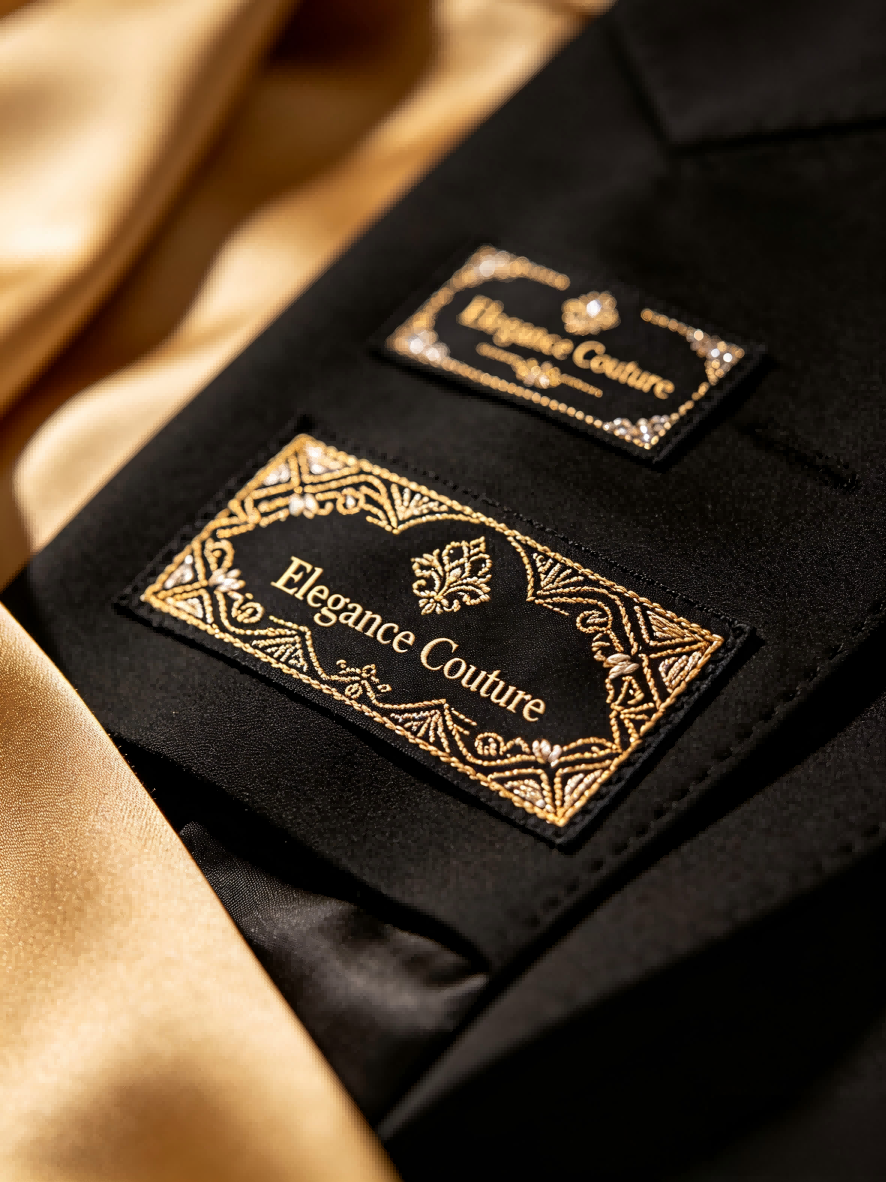
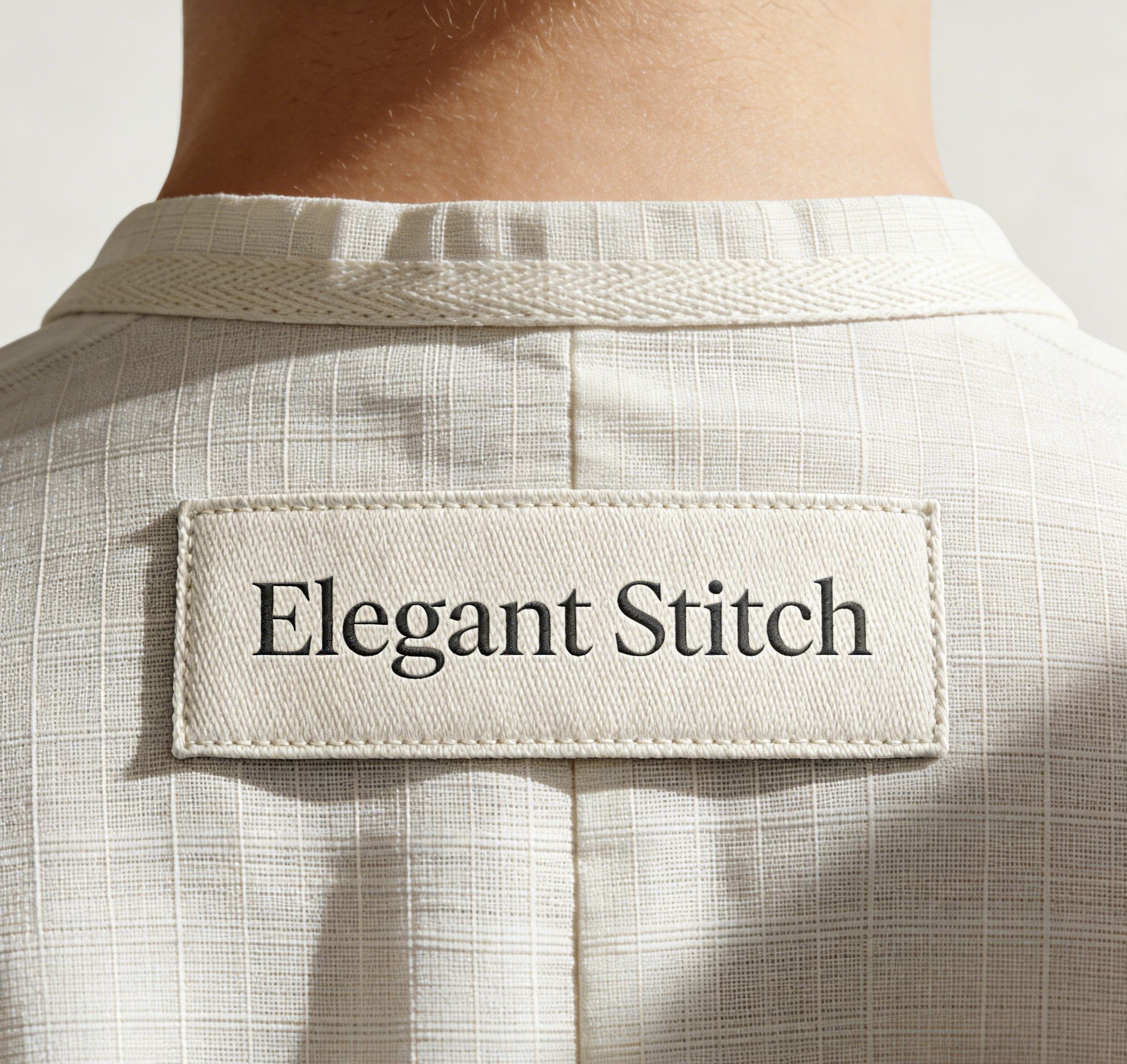
While it’s tempting to create intricate designs for your custom garment labels, simplicity is often more effective. Overly complex designs can be difficult to read, especially on smaller labels like iron-on garment labels. Stick to clean, legible fonts and minimalistic graphics that reflect your brand’s identity without overwhelming the viewer.
3. Choosing the Wrong Material
The material you choose for your custom garment labels can make or break their effectiveness. For example, iron-on garment labels require materials that can withstand heat and frequent washing. Similarly, garment content labels should be made from durable materials that won’t fade or tear over time. Always consider the fabric of your garments and the intended use of the labels when selecting materials.
4. Poor Placement and Sizing
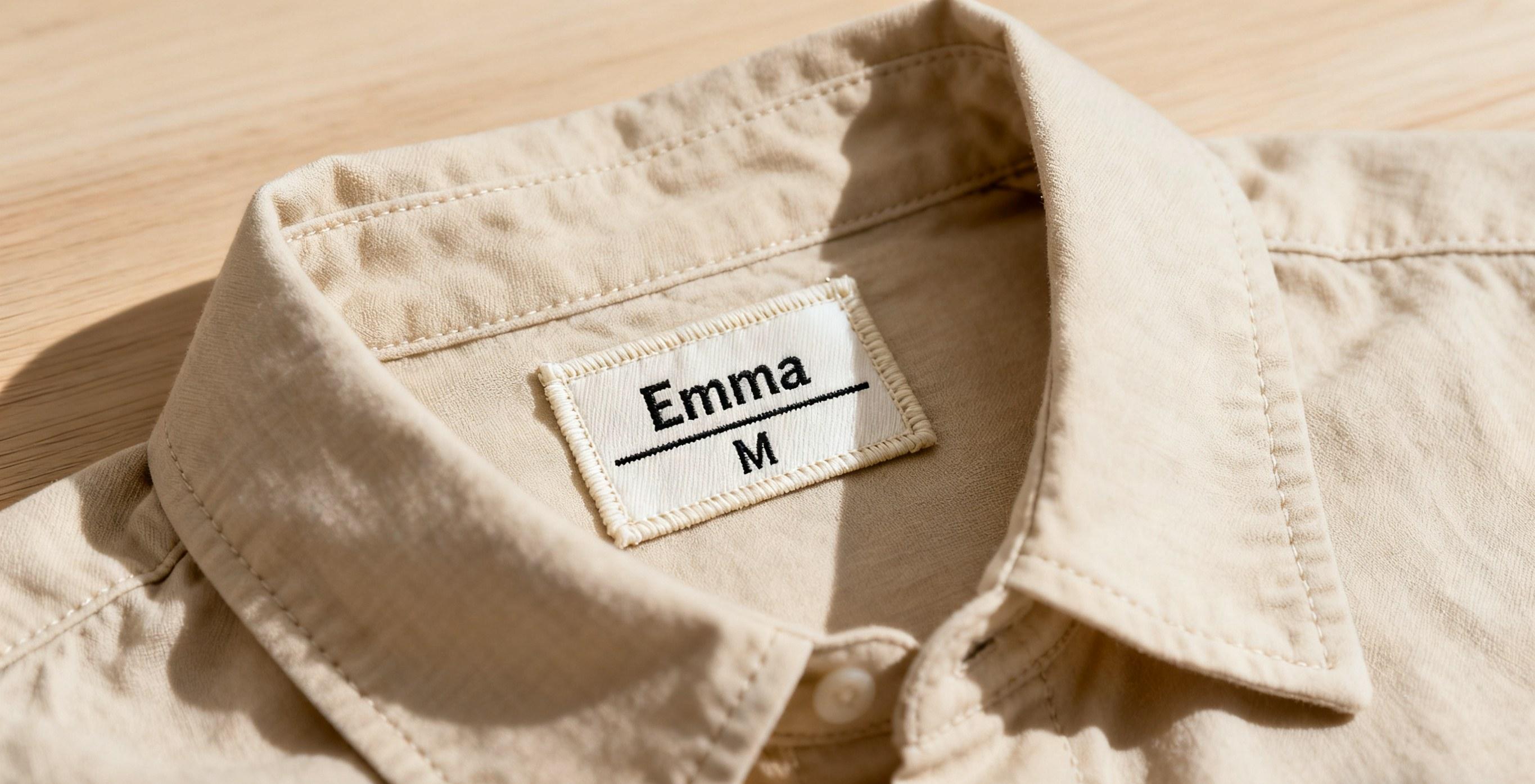
Even the most well-designed custom garment labels can fall flat if they’re placed incorrectly or sized inappropriately. Labels that are too large can feel intrusive, while those that are too small may be overlooked. For iron-on garment labels, ensure they’re placed in a visible yet comfortable location, such as the neckline or side seam. Test different sizes and placements to find the perfect balance.
5. Neglecting Durability and Washability
Your custom garment labels and garment content labels must withstand the test of time—and the washing machine. Labels that fade, peel, or fray after a few washes can leave a negative impression on your customers. For iron-on garment labels, ensure the adhesive is strong enough to withstand heat and repeated washing. For sewn labels, choose high-quality threads and materials that won’t degrade easily.
Bonus Tip: Test Before Mass Production
Before committing to a large order of custom garment labels, always test a sample. This is especially important for iron-on garment labels, as the application process can vary depending on the fabric. Testing allows you to identify and fix any issues before they become costly mistakes.
Conclusion
Designing custom garment labels is a crucial step in building your brand’s identity and ensuring compliance with industry standards. By avoiding these common mistakes, you can create labels that are both functional and visually appealing. Whether you’re working on garment content labels or iron-on garment labels, attention to detail and careful planning will set your brand apart.
Take the time to design your custom garment labels thoughtfully, and you’ll create a lasting impression that resonates with your customers. Start today and elevate your brand with labels that truly stand out!
This blog post is optimized for Google SEO by naturally integrating the keywords throughout the content, using headings, and providing actionable advice. The word count is approximately 600 words, making it concise yet informative.
How to Update Garment Content Labels for International Markets
Why Custom Garment Labels Matter for Small Fashion Brands