Top Benefits of Rubber Garment Labels for Sportswear
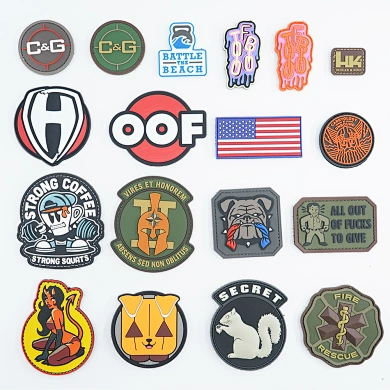
When it comes to sportswear, durability, comfort, and branding are key. Rubber garment labels have become a popular choice for athletic apparel due to their unique advantages. Unlike traditional cotton garment labels, rubber labels offer a sleek, modern look and exceptional resilience, making them ideal for high-performance clothing. In this article, we’ll explore the top benefits of rubber garment labels for sportswear and how they compare to cotton garment labels. We’ll also discuss the role of a garment label machine in creating these high-quality labels.
1. Durability for High-Intensity Use
One of the standout features of rubber garment labels is their durability. Sportswear is subjected to intense physical activity, frequent washing, and exposure to sweat and moisture. Unlike cotton garment labels, which can fray or fade over time, rubber labels are designed to withstand these harsh conditions. They won’t peel, crack, or lose their shape, ensuring your branding remains intact even after countless workouts.
2. Soft and Comfortable Against the Skin
Comfort is crucial in sportswear, and rubber garment labels deliver. These labels are smooth and flexible, making them gentle against the skin. Unlike some cotton garment labels, which can feel stiff or scratchy, rubber labels provide a seamless experience for athletes. This is especially important for high-performance gear, where even the smallest discomfort can be distracting.
3. Water and Sweat Resistance
Sportswear is often exposed to sweat and water, which can damage traditional labels. Rubber garment labels are naturally resistant to moisture, making them perfect for athletic apparel. In contrast, cotton garment labels may absorb sweat and water, leading to discoloration or deterioration over time. With rubber labels, your branding stays crisp and clear, no matter how intense the workout.
4. Modern and Sleek Aesthetic
Rubber garment labels offer a contemporary look that aligns with the sleek design of modern sportswear. They can be customized with embossed or debossed designs, adding a premium touch to your apparel. While cotton garment labels have a classic appeal, rubber labels provide a more innovative and high-tech aesthetic that resonates with athletic brands.
5. Easy Application with a Garment Label Machine
Creating and applying rubber garment labels is made simple with a garment label machine. These machines allow you to produce custom labels quickly and efficiently, ensuring consistent quality across your product line. Whether you’re working with rubber or cotton garment labels, a garment label machine streamlines the process, saving you time and effort.
How Rubber Labels Compare to Cotton Garment Labels
While rubber garment labels excel in sportswear, cotton garment labels have their own strengths. Cotton labels are soft, breathable, and eco-friendly, making them ideal for casual or sustainable clothing lines. However, for sportswear, rubber labels are the clear winner due to their durability, moisture resistance, and modern aesthetic.
Tips for Using a Garment Label Machine with Rubber Labels
-
Ensure your garment label machine is compatible with rubber materials for optimal results.
-
Test the settings on a few sample labels before starting full production.
-
Store your rubber garment labels in a cool, dry place to maintain their quality before application.
Conclusion
Rubber garment labels are a game-changer for sportswear brands, offering unmatched durability, comfort, and a modern look. While cotton garment labels have their place in the fashion industry, rubber labels are the superior choice for high-performance apparel. By investing in a reliable garment label machine, you can create custom rubber labels that elevate your brand and stand up to the demands of athletic wear. Whether you’re designing gym gear, running apparel, or team uniforms, rubber garment labels are the perfect solution for long-lasting, professional branding.
Rubber Garment Labels vs. Cotton Garment Labels: Which is Better?
Heat Press vs or Sew On Which Garment Label is Right for You?