Tagless Clothing Labels & Silicone Garment Labels: Why More Brands Choose Label-Free Wholesale T-Shirts

Why Label-Free Wholesale T-Shirts Are the Future of Apparel Branding
Introduction
In today’s competitive apparel market, branding is no longer just about logos and packaging. Comfort, functionality, and production efficiency have become equally important factors—especially for fashion brands, private labels, and wholesale buyers. This shift has led to the rapid adoption of tagless clothing labels, advanced Silicone Garment Labels, and the growing demand for wholesale t shirts with no labels.
As consumers increasingly expect irritation-free garments and brands look for scalable customization solutions, heat transfer and tagless labeling technologies are becoming an industry standard rather than a niche option. This article explores why label-free garments are gaining momentum, how silicone heat transfer labels outperform traditional options, and what apparel businesses should consider when choosing a labeling partner.
What Are Tagless Clothing Labels?
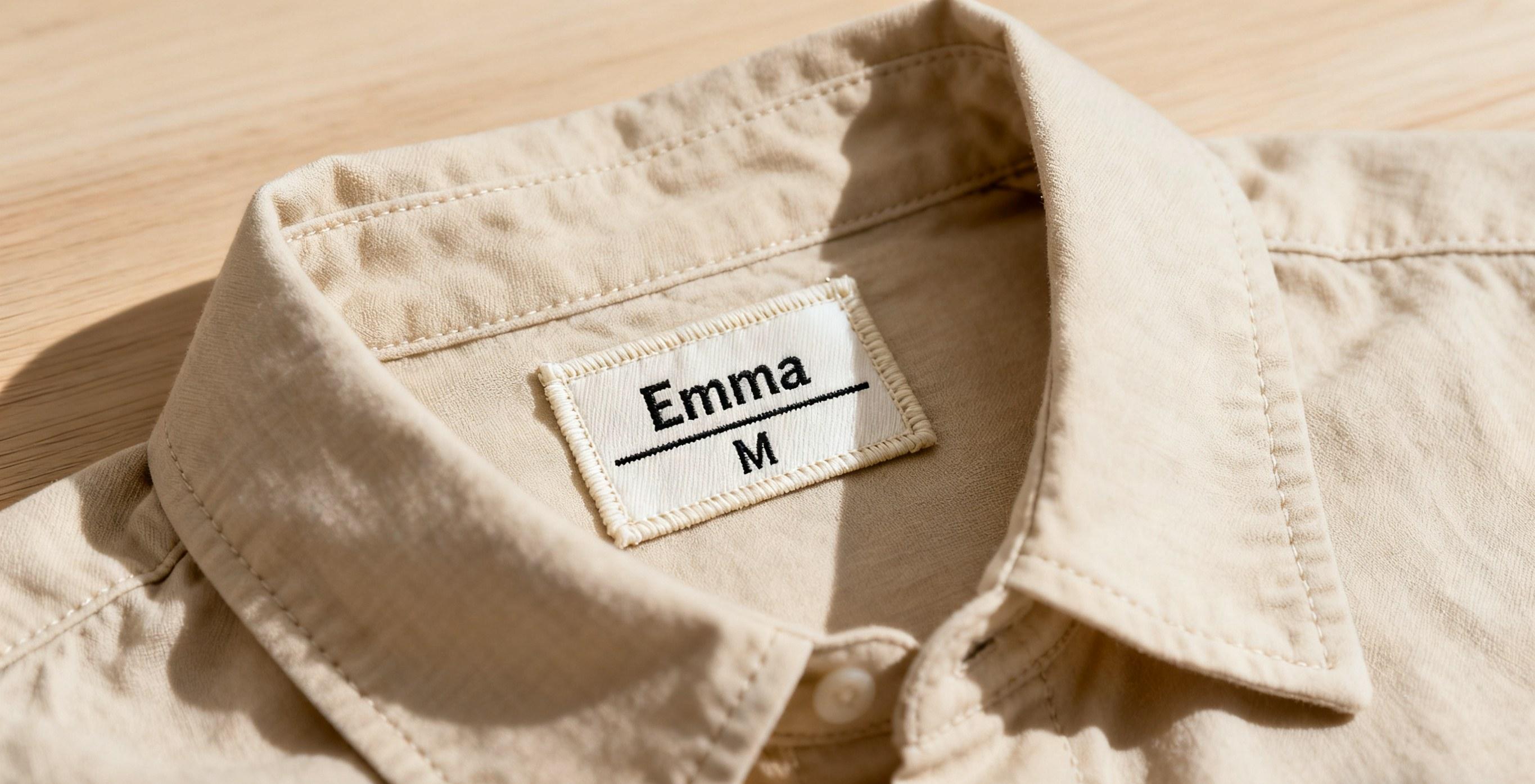
Tagless clothing labels are branding or care labels applied directly onto garments using heat transfer technology, instead of being sewn into the fabric. Commonly placed at the neckline or inside seams, these labels eliminate the discomfort caused by traditional woven or satin tags.
From an industry perspective, tagless labels offer several advantages:
-
Improved wearer comfort, especially for sensitive skin
-
Clean, modern garment interiors
-
They are widely used in T-shirts, activewear, underwear, children’s clothing, and performance apparel—segments where comfort and durability are critical.
-
Reduced sewing and trimming steps during production
-
Greater flexibility for private label and OEM programs

Why Silicone Garment Labels Are Becoming a Premium Choice
Among various heat transfer technologies, Silicone Garment Labels are increasingly recognized as a premium solution. Unlike standard ink-based or PVC transfers, silicone labels offer a soft-touch finish combined with excellent elasticity and durability.
Key benefits include:
-
Soft and skin-friendly texture that moves naturally with the fabric
-
High stretch and recovery, ideal for activewear and fitted garments
-
Excellent wash resistance, maintaining clarity after repeated laundering
-
Clean, modern aesthetics, suitable for premium branding
For brands aiming to position themselves in the mid-to-high-end market, silicone labels provide both functional and visual advantages. They also perform consistently across different fabric types, including cotton, polyester blends, and spandex-based materials.
Why Wholesale T-Shirts with No Labels Are in High Demand
The rise of wholesale t shirts with no labels is closely tied to the growth of private label brands, e-commerce startups, and on-demand customization businesses. Label-free garments give brands complete control over their identity without the cost or complexity of removing existing tags.
From a B2B standpoint, no-label T-shirts allow buyers to:
-
Apply custom branding quickly using heat transfer labels
-
Reduce production lead times
-
Avoid inventory waste caused by pre-branded garments
-
Adapt designs easily for different markets or campaigns
For wholesalers and manufacturers, offering tagless-ready garments also increases appeal to international buyers who value flexibility and speed.

Tagless Clothing Labels vs Traditional Sewn Labels
When comparing tagless solutions with traditional sewn labels, the differences are clear:
-
Comfort: Tagless labels eliminate friction and irritation
-
Efficiency: No sewing or trimming required
-
Design flexibility: Easy updates without changing woven looms
-
Brand consistency: Precise logo and text reproduction
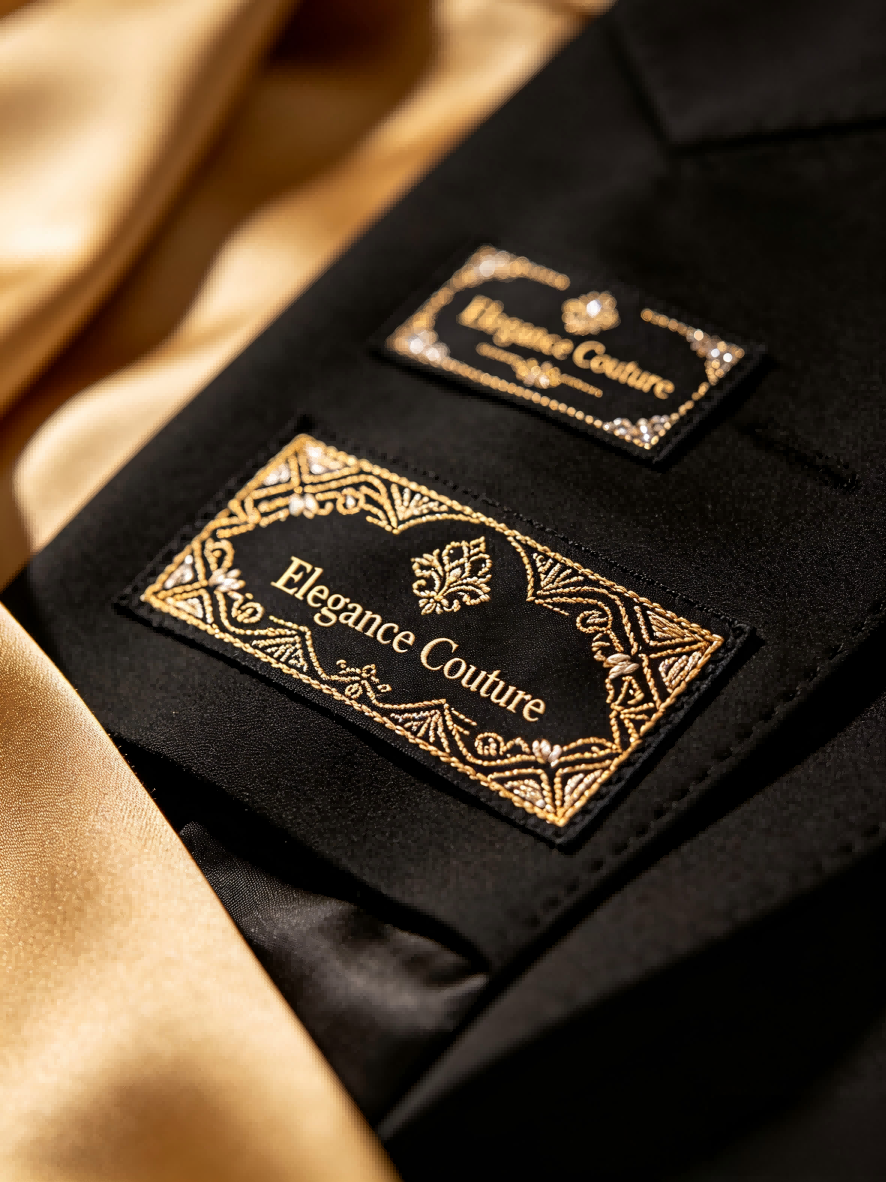
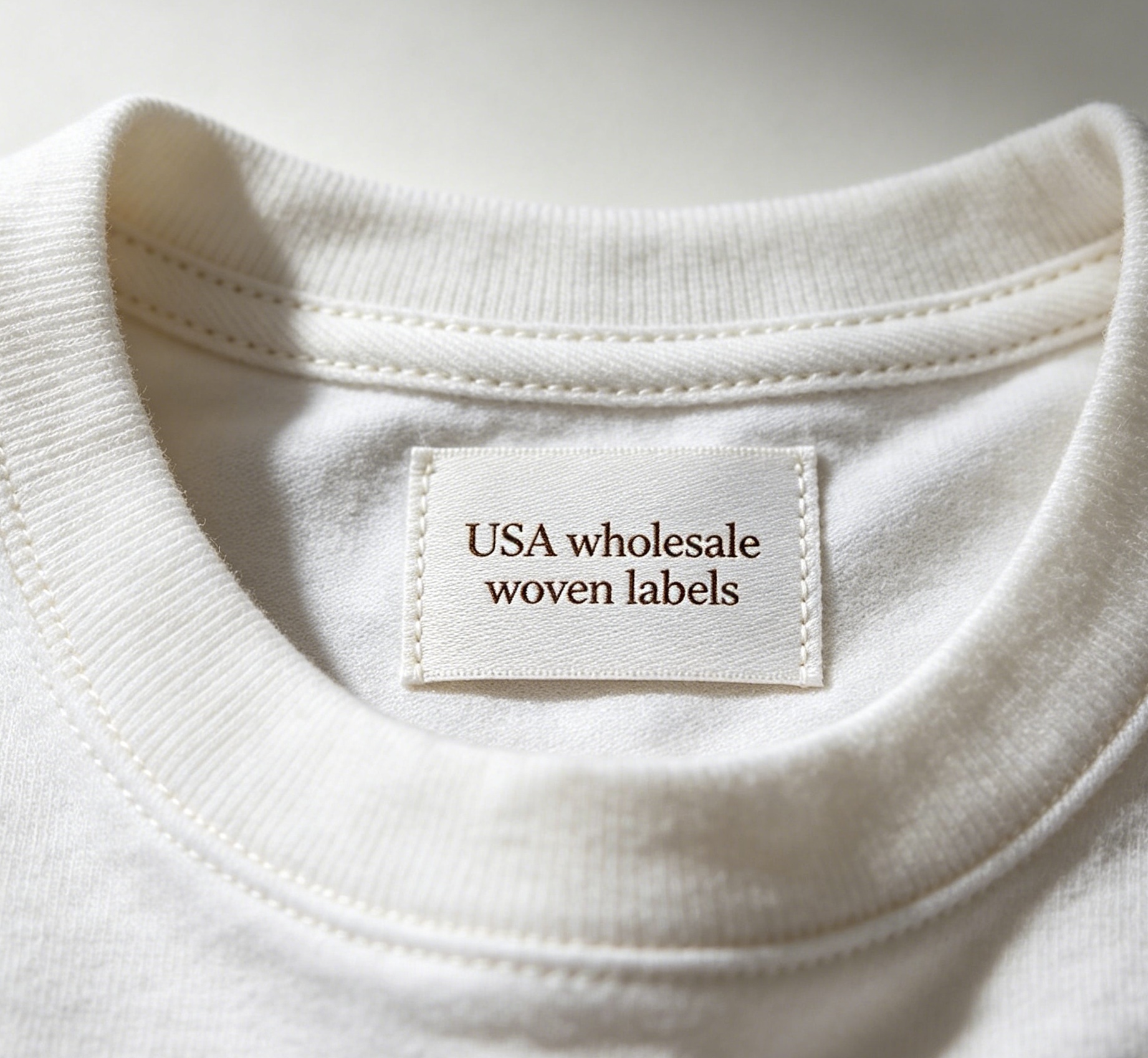
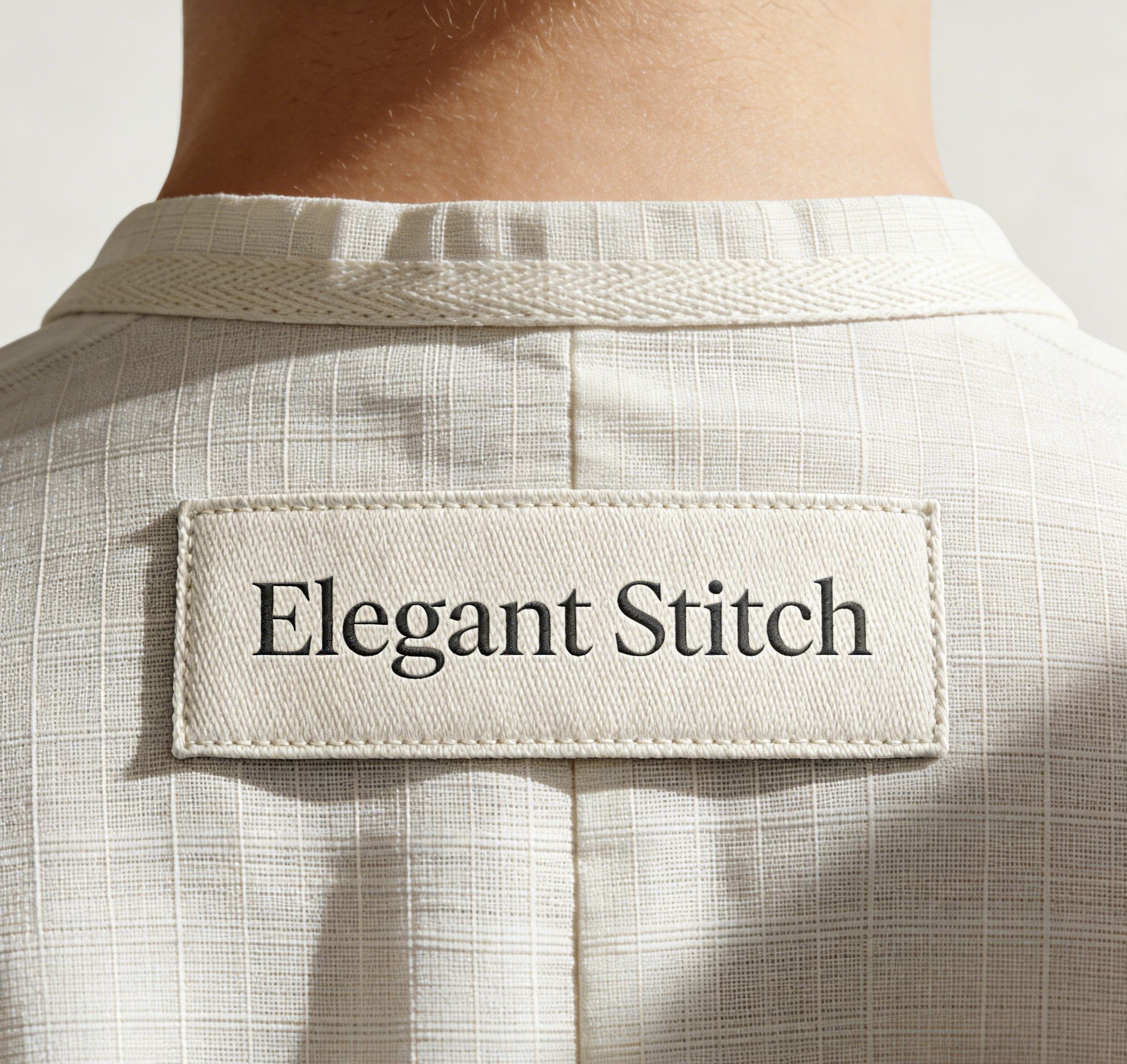
While woven labels still have their place in heritage or decorative applications, tagless and silicone labels are better suited for modern, scalable apparel production.
Choosing the Right Manufacturer Makes the Difference
Not all tagless labels are created equal. The performance of tagless clothing labels and Silicone Garment Labels depends heavily on material quality, process control, and production experience.
A reliable manufacturer should offer:
-
Consistent quality across large production runs
-
Customization support for logos, sizes, and care information
-
Proven experience serving international apparel brands
-
Strict quality inspection and wash testing standards
Working with an experienced supplier also helps brands avoid common issues such as peeling, fading, or inconsistent adhesion—problems that can directly affect customer satisfaction.
For related solutions, you can explore our tagless clothing labels, silicone garment labels, and custom heat transfer labels for clothing pages to see different applications and finishes.
How Tagless and Silicone Labels Are Applied
Although the technology behind heat transfer labels is advanced, the application process is straightforward:
-
Position the transfer label on the garment
-
Apply heat and pressure using a heat press
-
Allow cooling and remove the carrier film
This simplicity makes tagless labels ideal for both large-scale factories and smaller customization operations.
Conclusion
As apparel branding continues to evolve, tagless clothing labels, Silicone Garment Labels, and wholesale t shirts with no labels are no longer optional upgrades—they are strategic tools for modern brands. By improving comfort, streamlining production, and enabling flexible branding, these solutions help businesses stay competitive in a fast-changing market.
Choosing the right materials and manufacturing partner ensures that label-free garments not only look good but also perform reliably throughout their lifecycle. For brands focused on quality, scalability, and user experience, tagless and silicone labeling solutions represent the future of apparel identification.
How Apparel & Shoe Brands Choose the Right Label
Showcasing Washable & Embossed Label Innovations Worldwide