What is the actual effect of labels
Woven and Printed Labels: The Silent Ambassadors of Brand Identity in Fashion Design
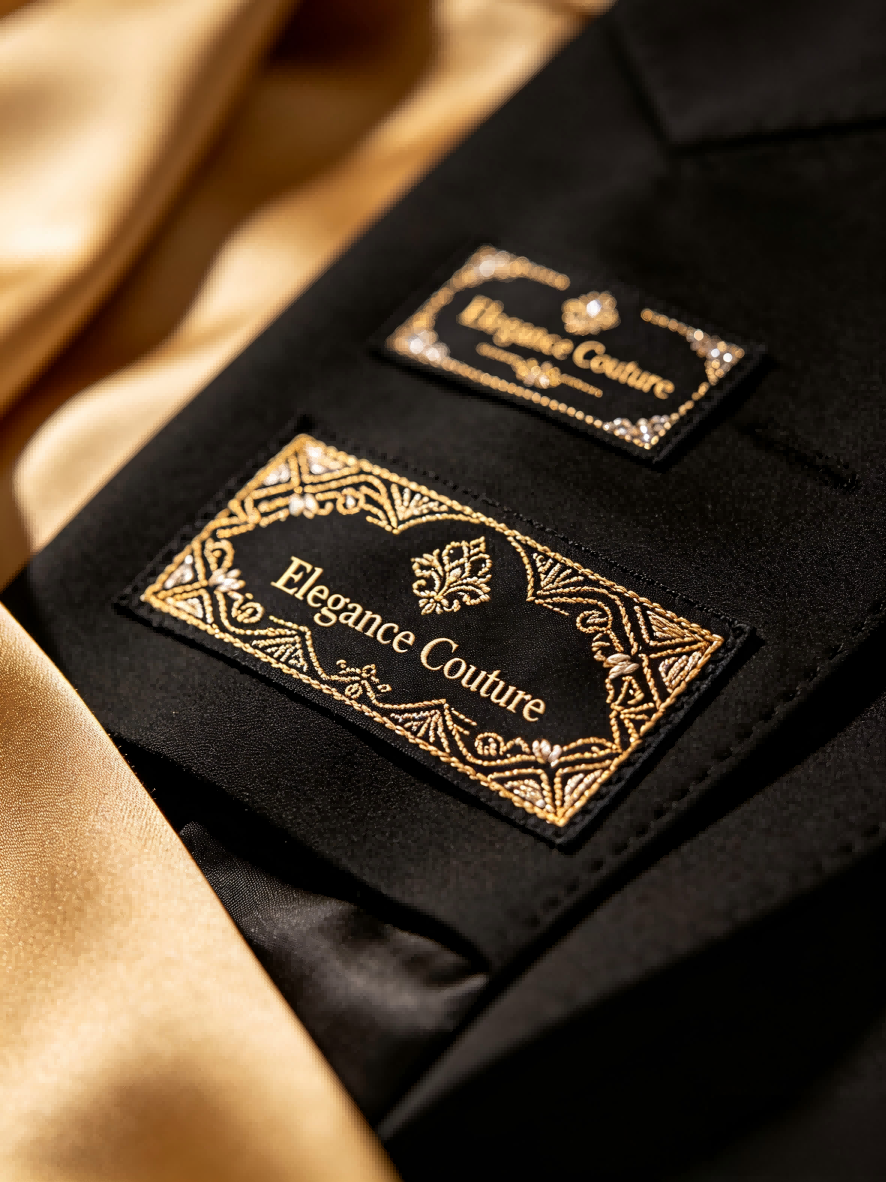
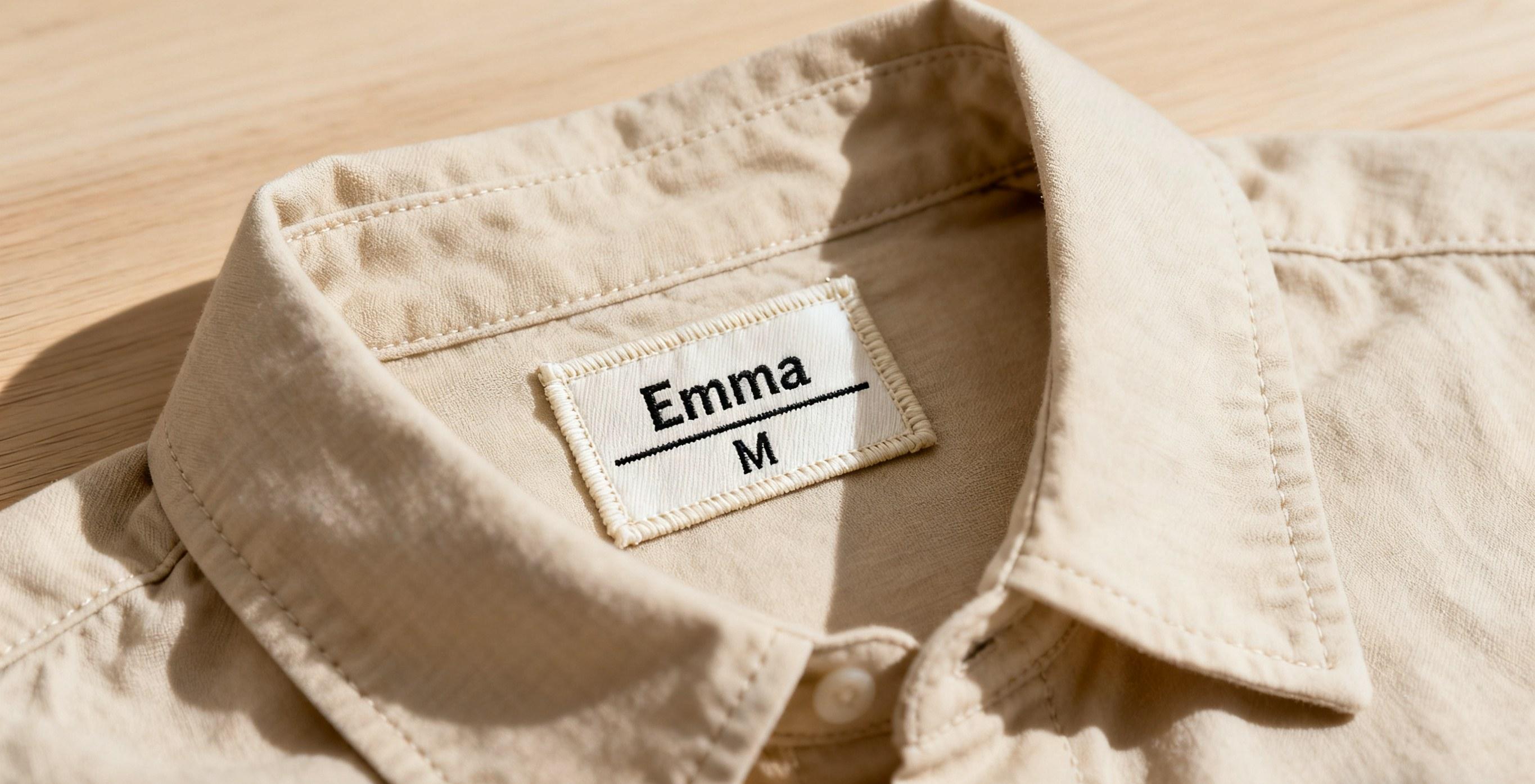
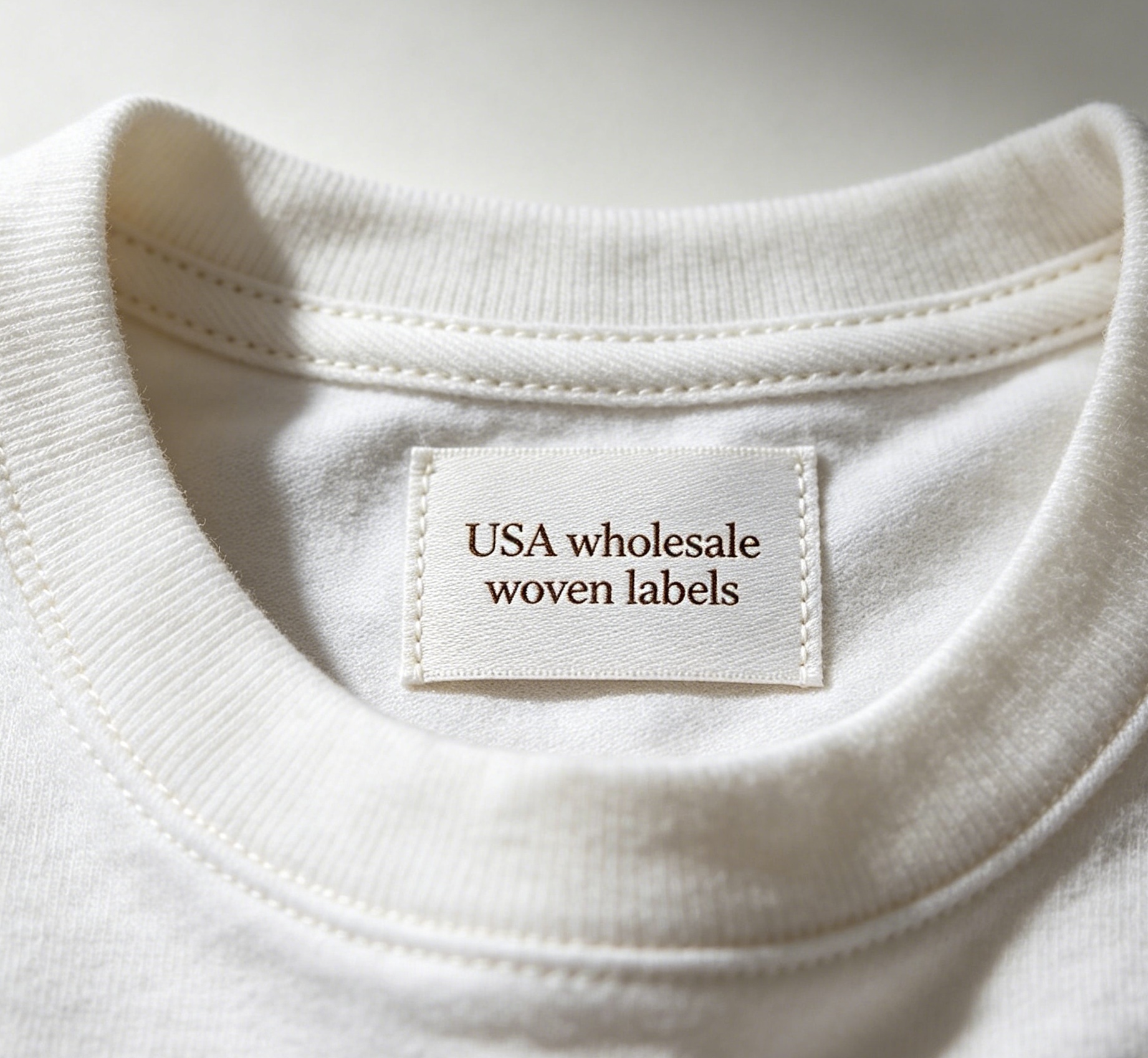
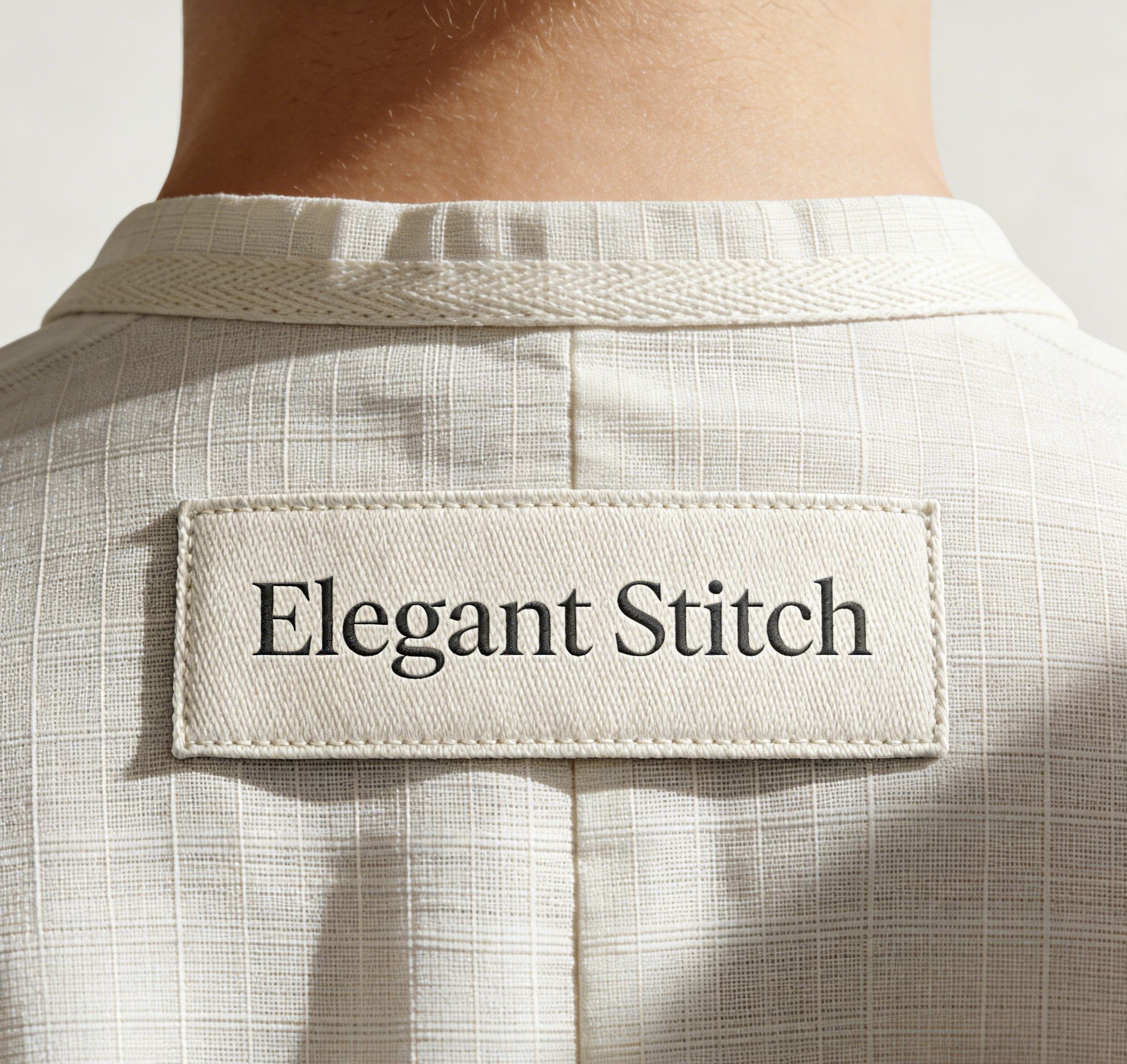
In the ever-evolving landscape of contemporary design, woven labels and printed labels have transcended their utilitarian roots to become strategic tools for storytelling, brand differentiation, and consumer engagement. As discussed in global design forums and industry panels, these small yet impactful elements now occupy a central role in fashion, merging artistry with commercial pragmatism. Let’s explore how labels have evolved into cultural artifacts and why their design demands meticulous creativity and strategic thinking.
From Functional to Iconic: The Evolution of Labels
Once limited to disclosing fabric content and care instructions, woven labels and printed labels now serve as micro-canvases for brand expression. Their transformation reflects broader industry shifts:
- Consumer Expectations: 73% of shoppers view detailed labels as markers of product authenticity and quality (Euromonitor, 2023).
- Cultural Relevance: Labels like Supreme’s iconic red woven tag or Patagonia’s eco-conscious recycled prints have become collectible symbols of subcultures.
- Regulatory Necessity: Compliance with global standards (e.g., FTC Care Labeling Rules, EU Textile Regulations) ensures transparency in a sustainability-driven market.
The Dual Role of Labels: Utility + Artistry
1. Functional Foundations
- Composition & Care: Beyond listing materials, modern labels integrate QR codes linking to video tutorials (e.g., “How to Revive a Cashmere Sweater”).
- Anti-Counterfeiting: Luxury brands embed NFC chips or holographic threads for authentication—a market projected to reach $208 billion by 2026 (Grand View Research).
2. Cultural Currency
- Brand Storytelling: Gucci’s vintage-inspired woven tags evoke artisanal heritage, while Marine Serre’s crescent moon prints signal futuristic sustainability.
- Emotional Resonance: Japanese brand Kapital hand-stamps labels with haikus about craftsmanship, turning tags into poetic keepsakes.
Designing Labels: A Data-Driven Creative Process
For designers, creating impactful woven labels and printed labels involves a structured yet imaginative workflow:
Phase 1: Brand Archaeology
- Historical Analysis: Study archival logos, color palettes, and typography. Example: Levi’s revives 19th-century denim tag motifs for limited editions.
- Audience Profiling: Align designs with demographics—Gen Z favors bold, meme-inspired graphics; luxury buyers prefer minimalist foil stamps.
Phase 2: Material Innovation
- Eco-Textiles: Brands like Stella McCartney use labels made from mushroom leather (Mylo) or ocean plastics.
- Smart Fabrics: Woven tags with thermochromic ink react to body heat, revealing hidden patterns.
Phase 3: Technical Execution
- Weaving Precision: High-density Jacquard looms achieve 300+ DPI resolution for intricate logos.
- Printing Techniques:
- Screen Printing: Ideal for vibrant, small-batch runs.
- Digital Sublimation: Allows photorealistic prints on polyester blends.
Case Study: The Rise of “Label Culture”
Los Angeles streetwear brand Brain Dead leveraged printed labels as a cultural signature:
- Collaborative Designs: Partnered with artists like Tomoo Gokita to create limited-edition tags.
- Community Engagement: Launched a “Tag Swap” program, encouraging fans to collect and trade labels.
- Result: Secondary market resales of labeled hoodies surged by 200%, per Grailed data.
Labels as Silent Salespeople: Driving ROI
Strategically designed labels influence purchasing decisions and brand loyalty:
- In-Store Impact: 68% of shoppers spend more time examining garments with visually striking tags (Nielsen).
- Social Media Amplification: Instagrammable labels generate UGC—e.g., #TagCrush posts showcasing Jacquemus’ miniature woven labels.
- Sustainability Signaling: Tags made from 100% recycled materials boost willingness-to-pay by 22% (McKinsey).
Future Trends: Where Design Meets Technology
- Blockchain Verification: Scan a tag to trace a garment’s lifecycle from farm to closet.
- AR-Enhanced Labels: Hold a phone over a tag to watch a designer’s creative process via hologram.
- Biodegradable Smart Tags: Embedded sensors indicate garment wear-and-tear, prompting recycling.
Conclusion: The Label as a Brand’s DNA
In an era where consumers crave authenticity and connection, woven labels and printed labels are no longer accessories—they’re brand DNA made tangible. Whether through nostalgic craftsmanship, cutting-edge tech, or eco-conscious innovation, labels now wield the power to:
- Combat commoditization in oversaturated markets.
- Elevate perceived value without raising production costs.
- Foster emotional loyalty that transcends seasonal trends.
How to custom clothing tags
What are the common materials of clothing hang tags