Why Personalized Clothing Labels Matter
In today’s competitive fashion industry, personalized woven clothing labels and personalized clothing labels are more than just functional identifiers. They represent a brand’s identity, quality promise, and emotional connection with customers. Whether for luxury garments, children’s wear, or home textiles, the right clothes labels strengthen brand value and consumer trust.

As fashion businesses expand globally, the demand for personalized woven labels and custom fabric labels is growing rapidly. Industry clients—brands, manufacturers, and retailers—are using innovative label for clothes strategies to elevate recognition, improve efficiency, and deliver consistent consumer experiences.
Types of Personalized & Custom Labels
Personalized Woven Labels
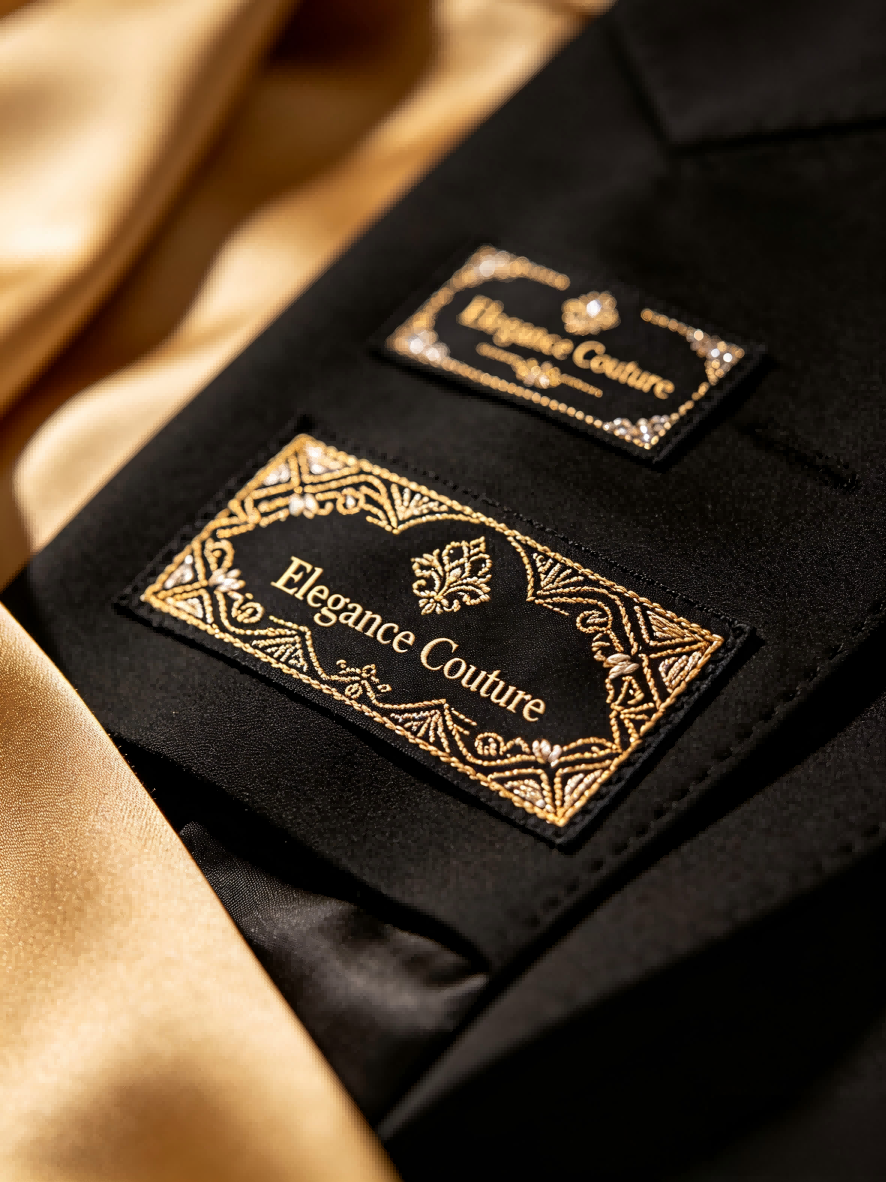
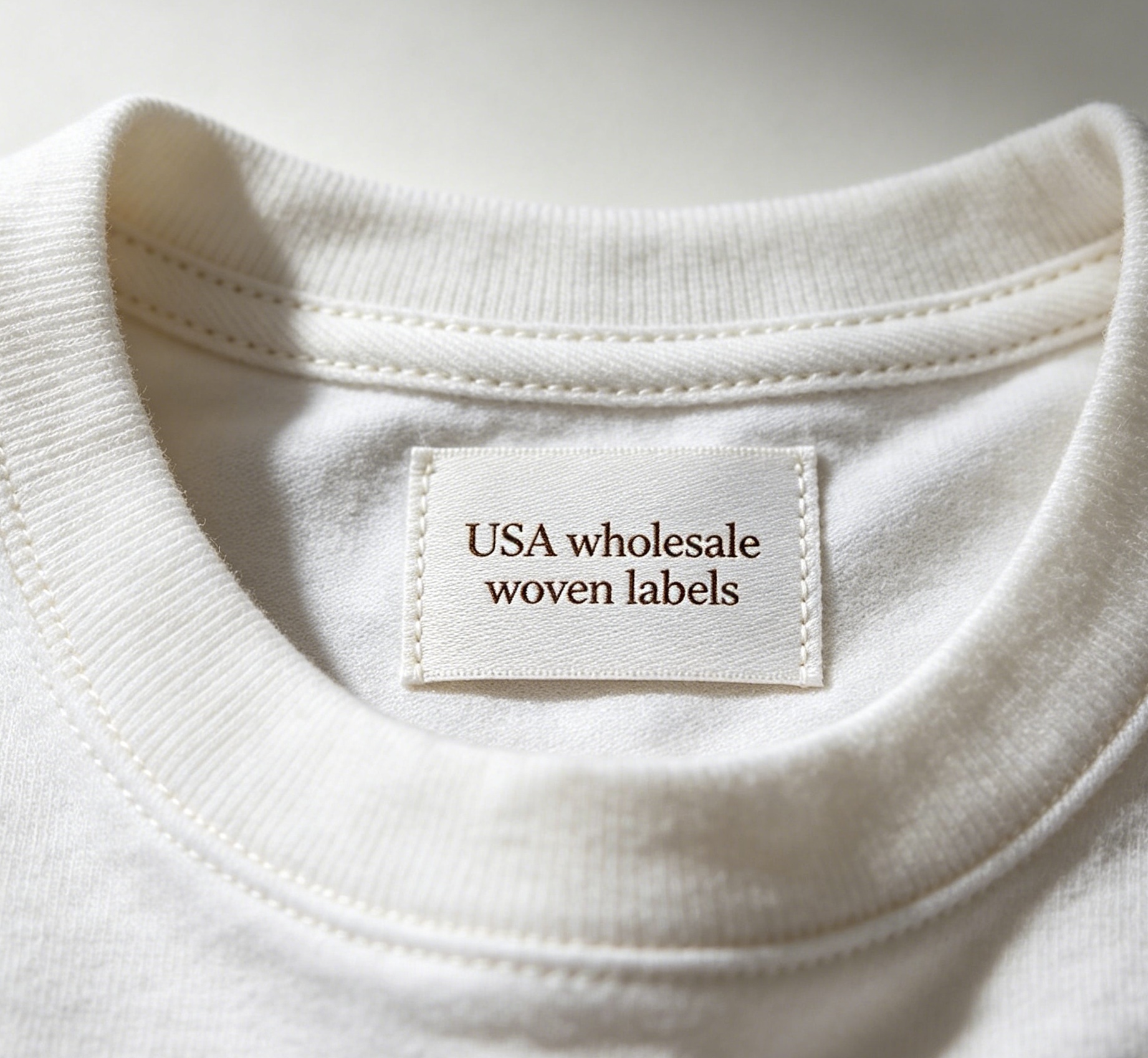
Personalized woven labels are known for durability, soft touch, and long-lasting appeal. They are widely used in premium fashion, children’s clothing, and textile products. Brands choose personalized clothing labels to strengthen recognition and enhance the customer’s perception of quality.
Custom Fabric Labels & Tags
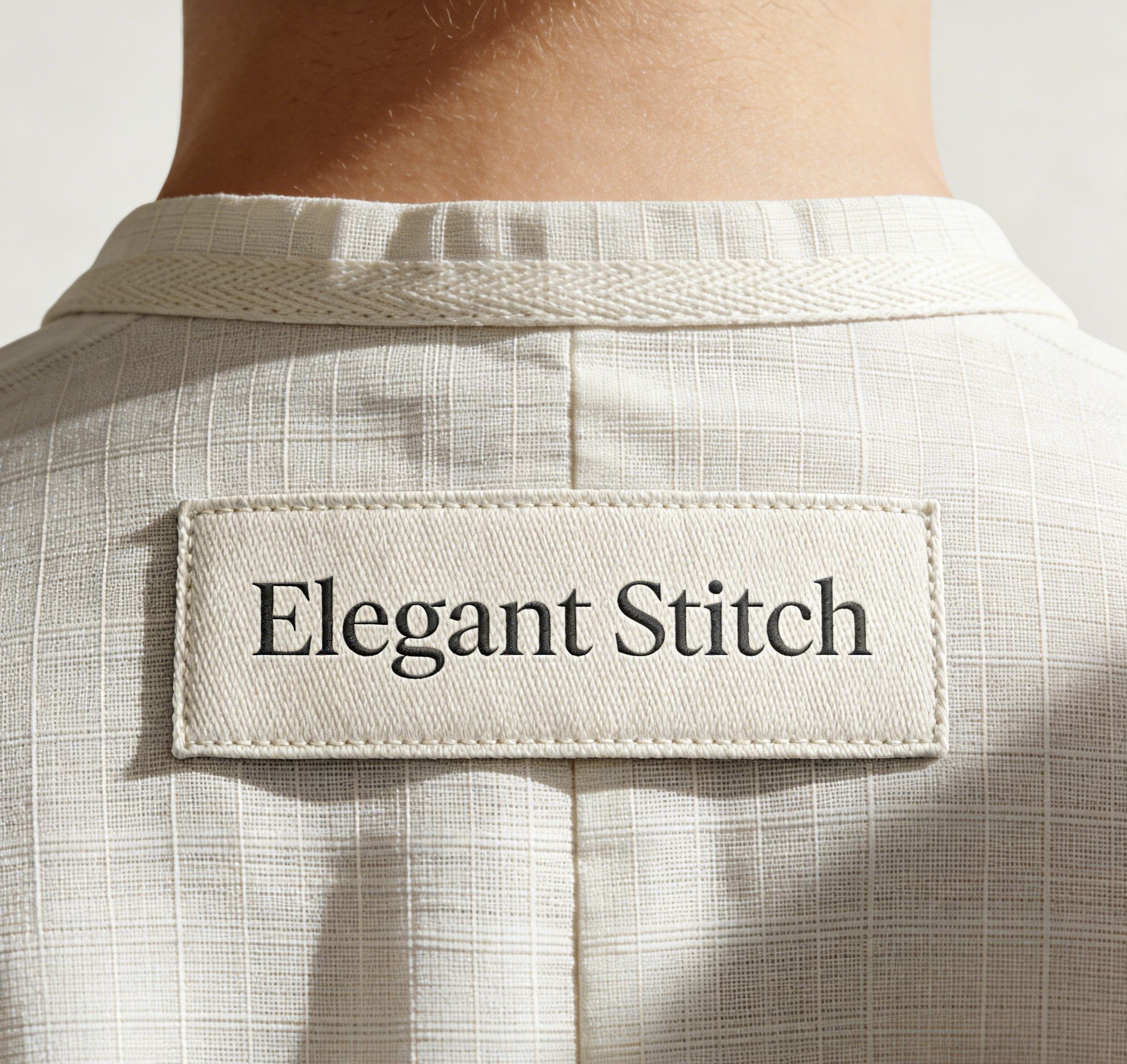
For independent designers or smaller brands, custom fabric labels and custom fabric tags for clothing offer design flexibility. Options in material, color, typography, and patterns make them ideal for storytelling and brand differentiation. Even a custom cloth tag can communicate authenticity and creativity.
Cloth Tags & Standard Clothes Labels
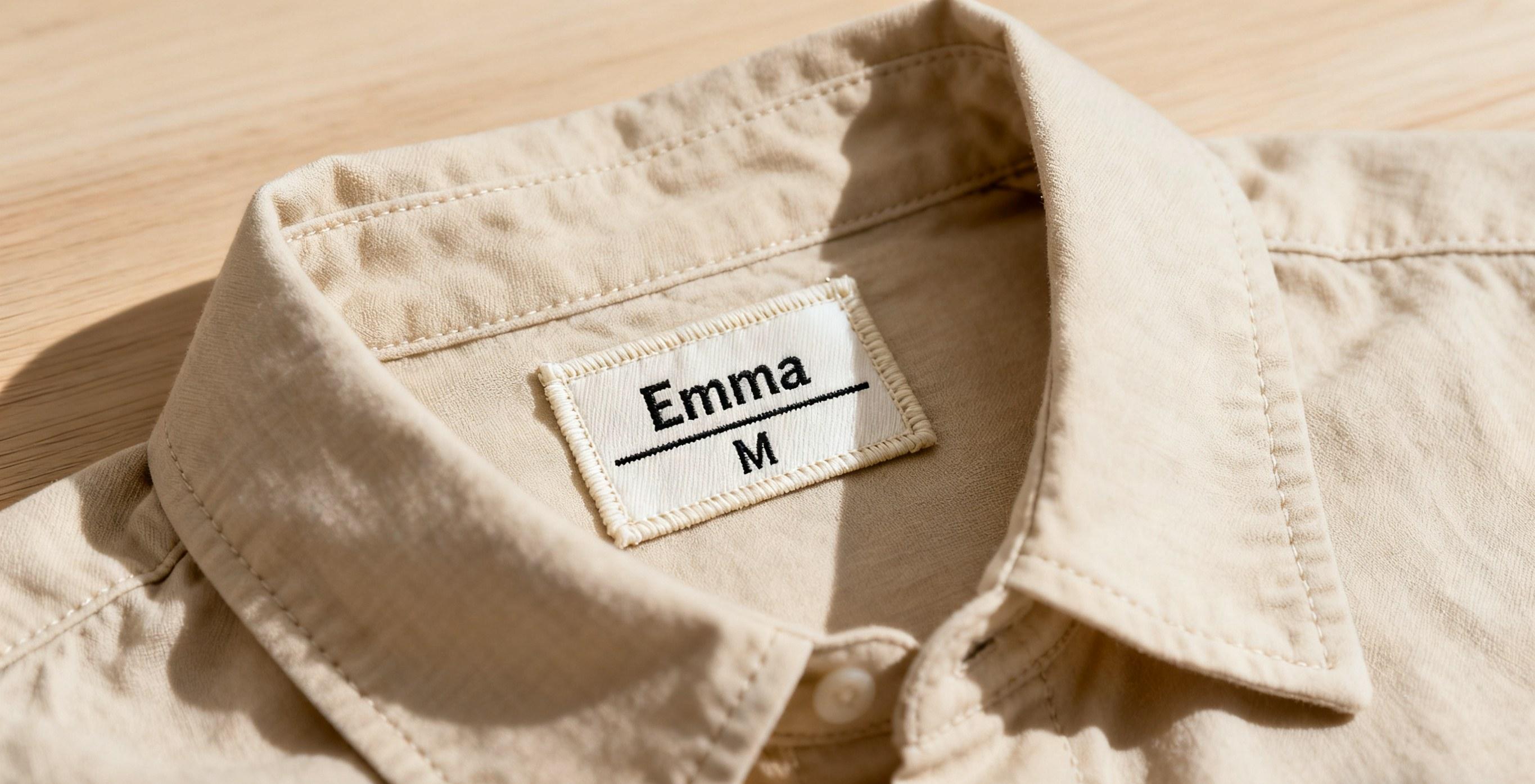
While cloth tags and clothes labels serve basic functions like size, fabric content, and care instructions, they are critical for reducing errors at retail and ensuring a smooth consumer experience. A clear label for clothes helps retailers minimize returns and improve customer satisfaction.

Branding & Customer Value
-
For fashion brands: Personalized clothing labels create strong brand recognition and justify premium pricing.
-
For manufacturers: Consistency in bulk production ensures efficiency and quality control.
-
For retailers: Clear clothes labels support customer decisions and enhance the shopping journey.
Case example: Independent online brands prefer custom fabric tags for flexibility and individuality, while luxury designers often invest in personalized woven clothing labels to highlight craftsmanship and exclusivity.
Materials & Sustainability Considerations
Today’s market emphasizes not only aesthetics but also sustainability. The choice of material—cotton, polyester, silk, or recycled fibers—affects both comfort and environmental impact. New techniques, such as digital weaving and eco-friendly dyeing, are gaining popularity in personalized woven labels production.
Additionally, custom fabric labels and cloth tags can be combined with eco-materials to meet sustainable fashion standards. For industry clients, investing in sustainable labels is no longer optional; it is a strategic move to align with consumer expectations and regulatory demands.

Conclusion & Recommendations
Personalized woven clothing labels and personalized woven labels have evolved from simple identifiers into brand strategy tools. They help businesses strengthen recognition, improve production efficiency, and create consumer trust.
For industry professionals:
-
Brands should integrate personalized clothing labels or custom fabric labels into their storytelling strategies.
-
Manufacturers should prioritize consistency, scalability, and eco-friendly processes.
-
Retailers should ensure that clothes labels remain clear, durable, and consumer-friendly.
By aligning functionality with branding and sustainability, businesses can unlock the full potential of personalized woven clothing labels and secure long-term competitive advantages.
SEO-Friendly Simple Description (meta)
Discover the value of personalized woven clothing labels, custom fabric labels, and clothes labels for branding and sustainability.
The Strategic Value of Custom Fabric Labels in Modern Apparel
The Strategic Value of Woven Labels in the Apparel Industry