Garment Label Printing Tech: UV-Curable Inks for Fabric Tags
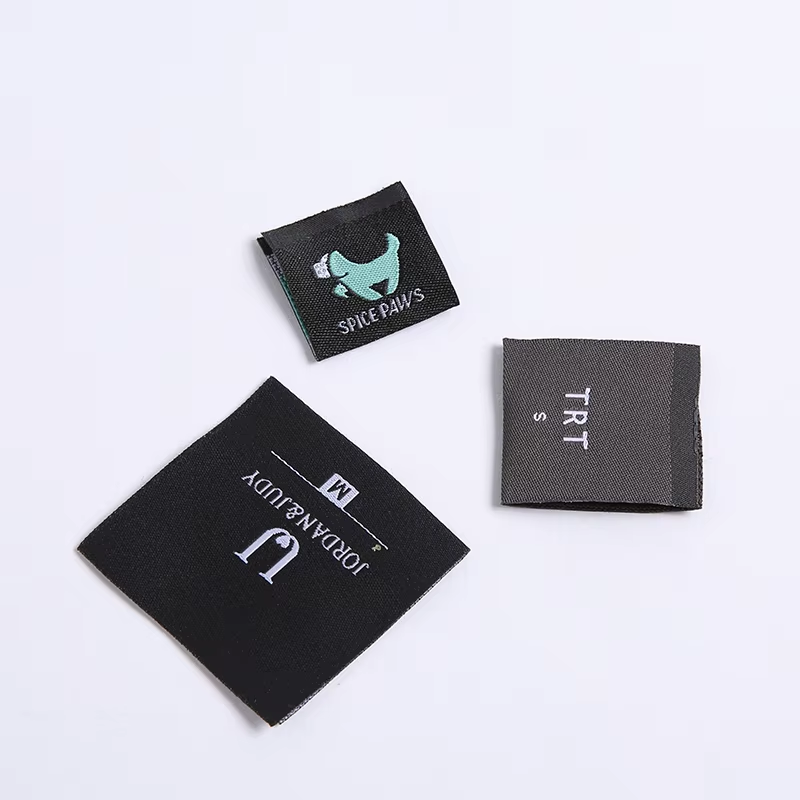
In the fast-evolving world of apparel branding, woven garment labels, garment fabric labels, and garment label printing technologies are embracing innovations like UV-curable inks to meet demands for durability, sustainability, and design flexibility. This guide dives into how UV-curable inks revolutionize fabric tags, offering brands a competitive edge while optimizing SEO through strategic keyword integration.
1. What Are UV-Curable Inks?
UV-curable inks are liquid polymers that instantly harden when exposed to ultraviolet light. Unlike traditional solvent-based inks, they contain no volatile organic compounds (VOCs), making them ideal for eco-conscious garment label printing.
- Key Components: Photoinitiators, oligomers, and monomers.
- Curing Time: 0.5–2 seconds under UV lamps vs. 24+ hours for air-dried inks.
2. Benefits for Woven Garment Labels & Fabric Tags
A. Unmatched Durability
- Wash Resistance: UV-cured prints withstand 100+ industrial washes without fading (ISO 6330 standard).
- Abrasion Resistance: Ideal for garment fabric labels on outerwear or sportswear.
B. Vibrant Color Reproduction
- Opacity: Achieve crisp, high-contrast designs on dark fabrics like denim woven garment labels.
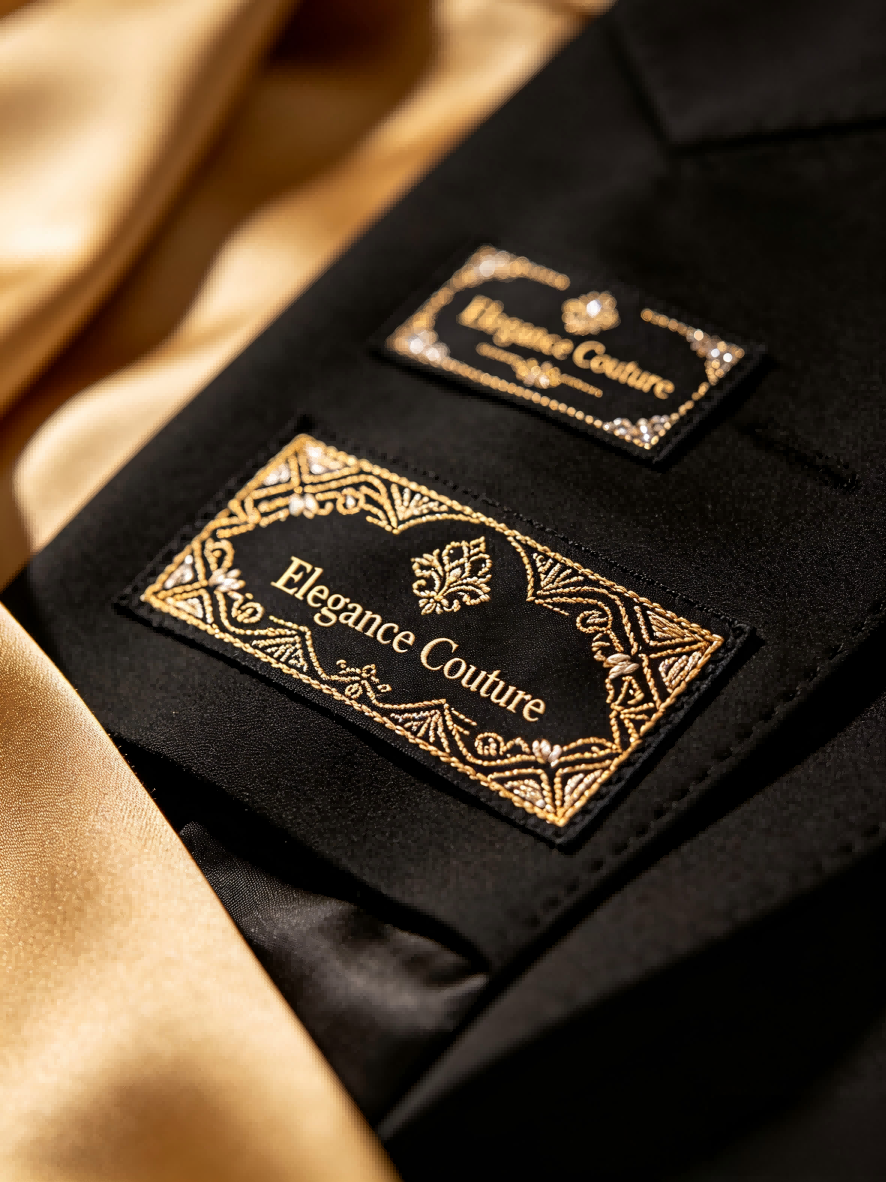
- Metallic Effects: UV inks simulate foil-stamped luxury at lower costs.
C. Eco-Friendly Advantages
- Zero VOCs: Compliant with OEKO-TEX® and REACH regulations.
- Energy Efficiency: 60% less energy consumption vs. heat-cured plastisol inks.
Stat: Brands using UV-curable inks reduce carbon footprints by 40% (Fashion for Good, 2024).
3. Applications Across Label Types
A. Woven Garment Labels
- Edge Coating: UV sealants prevent fraying on polyester or nylon labels.
- Hybrid Printing: Combine woven threads with UV-printed care symbols for cost efficiency.
B. Garment Fabric Labels (Care/Size Tags)
- Tagless Printing: Direct UV printing onto fabrics eliminates adhesive use.
- Micro-Text: Print legible care instructions as small as 4pt font.
C. High-End Garment Label Printing
- 3D Effects: Layer UV inks to create textured logos on luxury tags.
- Custom Finishes: Gloss, matte, or soft-touch coatings for tactile differentiation.
4. Technical Considerations
A. Substrate Compatibility
- Best For: Synthetic fabrics (polyester, nylon) and blended garment fabric labels.
- Challenges: Natural fibers like cotton may require pre-treatment for adhesion.
B. Printer Compatibility
- Flatbed Printers: Ideal for rigid tags or woven garment labels with uneven surfaces.
- Roll-to-Roll Systems: High-speed printing for large batches of garment label printing.
C. Cost Analysis
| Factor | UV-Curable Inks | Plastisol Inks |
|---|---|---|
| Ink Cost/Liter | 120–200 | 50–80 |
| Energy Use | Low | High |
| Waste Output | 5% | 20% |
5. Sustainability & Certifications
- Cradle to Cradle Certified™: UV inks meet circular economy standards for garment label printing.
- Recyclability: Mono-material labels (e.g., 100% polyester) with UV inks simplify recycling.
- Waterless Process: Eliminates wastewater generation during production.
Case Study: Levi’s reduced water usage by 75% after switching to UV-curable inks for woven garment labels on its Water
6. Overcoming Challenges
- Initial Investment: UV printers cost 20,000–100,000, but ROI is achieved in 18–24 months via reduced waste and energy bills.
- Operator Training: UV systems require expertise to avoid under/over-curing.
- Health Protocols: UV light exposure mandates protective gear for workers.
7. Future Innovations
- Bio-Based UV Inks: Algae-derived polymers for compostable garment fabric labels.
- Smart Tags: Conductive UV inks printing NFC antennas directly onto labels.
- AI Integration: Automated ink viscosity control for flawless garment label printing.
Conclusion: UV Inks as a Game-Changer
From enhancing the longevity of woven garment labels to enabling intricate designs on garment fabric labels, UV-curable inks redefine what’s possible in garment label printing. By merging sustainability with performance, this technology empowers brands to meet regulatory standards, consumer expectations, and environmental goals simultaneously.
As industry pioneer Yvon Chouinard noted, “Every choice is a chance to do better.” UV-curable inks offer that chance—one vibrant, durable label at a time.
Case Study: How Nike Optimized Woven Fabric Label Logistics
Metallic Threads in Woven Garment Labels: Luxury Printing Tips