Woven Garment Labels for Activewear: Moisture-Wicking Fabrics
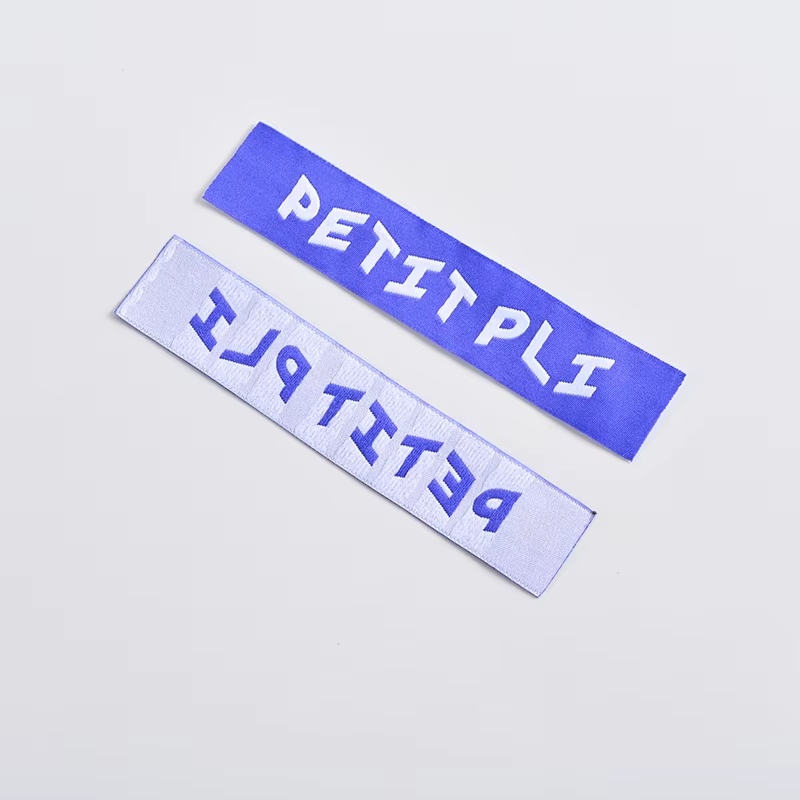
In the high-performance world of activewear, woven garment labels, garment fabric labels, and garment label printing must do more than brand identification—they need to complement the garment’s technical functionality. Moisture-wicking fabrics demand labels that withstand sweat, friction, and frequent washes without compromising comfort or durability. This guide explores how to design labels that align with the demands of activewear while optimizing SEO through strategic keyword integration.
1. Why Moisture-Wicking Activewear Needs Specialized Labels
Activewear’s core purpose is to manage sweat and enhance performance. Labels must mirror this ethos:
- Comfort: Rough labels irritate skin during high-intensity workouts.
- Durability: Labels endure 50+ washes, abrasive gym bags, and UV exposure.
- Breathability: Labels shouldn’t trap moisture against the skin.
Stat: 81% of consumers prioritize comfort in activewear labels (Sportswear International, 2024).
2. Material Choices for Woven Garment Labels
A. Polyester
- Pros: Hydrophobic, lightweight, and fade-resistant.
- Cons: Petrochemical-based; sheds microplastics.
- Use Case: Nike’s Dri-FIT line uses polyester woven garment labels with seamless edges.
B. Nylon
- Pros: Stronger than polyester, ideal for high-abrasion areas (e.g., sports bras).
- Cons: Less eco-friendly; requires chemical dyes.
C. Recycled Blends
- Pros: Combines moisture-wicking performance with sustainability (e.g., ECONYL® regenerated nylon).
- Use Case: Patagonia’s recycled polyester garment fabric labels on Capilene baselayers.
3. Garment Label Printing Techniques for Activewear
A. Heat Transfer Printing
- Benefits: Smooth, tagless labels ideal for compression wear.
- Durability: Withstands 50+ washes if cured at 160°C (320°F).
B. Sublimation Printing
- Benefits: Vibrant colors infused into synthetic garment label printing substrates.
- Best For: Bold logos on yoga leggings or running shorts.
C. Laser Etching
- Benefits: Ink-free, ultra-durable markings on moisture-wicking fabrics.
- Use Case: Lululemon’s laser-etched size tags on Luon leggings.
4. Design Considerations for Activewear Labels
A. Seamless Integration
- Flat Weaves: Avoid raised edges that chafe; opt for thin, soft woven garment labels.
- Tagless Options: Heat-transferred care instructions directly onto fabric.
B. Breathable Adhesives
- Solution: Use water-based adhesives that allow airflow for garment fabric labels.
C. Legibility Under Stress
- Text Contrast: White text on black labels remains readable after sweat exposure.
- Icon Sizing: Follow ASTM D5489 standards for care symbols (min. 0.5 cm height).
5. Sustainability in Activewear Labeling
- Recycled Threads: REPREVE® polyester in woven garment labels reduces plastic waste.
- Eco-Inks: Algae-based pigments for garment label printing lower chemical use.
- Biodegradable Adhesives: Compostable glues for garment fabric labels (e.g., TIPA®).
Case Study: Adidas’ Primegreen line uses 100% recycled polyester labels, cutting CO2 emissions by 40%.
6. Testing Protocols for Longevity
- Martindale Abrasion Test: Ensure labels endure 20,000+ rub cycles.
- Salt Spray Test: Simulate sweat corrosion on garment label printing inks.
- UV Exposure: Verify colorfastness under 200+ hours of sunlight.
7. Future Trends: Smart Labels for Activewear
- Sensory Tags: RFID-enabled woven garment labels track hydration levels via sweat analysis.
- Thermochromic Inks: Labels that change color during workouts (e.g., Nike’s Adapt).
- Self-Cleaning Fabrics: TiO2-coated garment fabric labels break down odor-causing bacteria.
Conclusion: Elevate Performance, One Label at a Time
From moisture-wicking woven garment labels to sweat-proof garment label printing, every detail matters in activewear. By prioritizing materials like recycled polyester, leveraging durable printing techniques, and embracing smart innovations, brands can create labels that enhance—not hinder—athletic performance.
As Olympic athlete Simone Biles notes, “The difference between good and great is in the details.” Let your labels be the detail that propels your activewear from good to greatness.
Garment Fabric Label Recycling: Closing the Textile Waste Loop
Custom Garment fabric Label Printing: Minimum Order Strategies