Cost Analysis: Woven Garment Labels vs. Screen-Printed Fabric
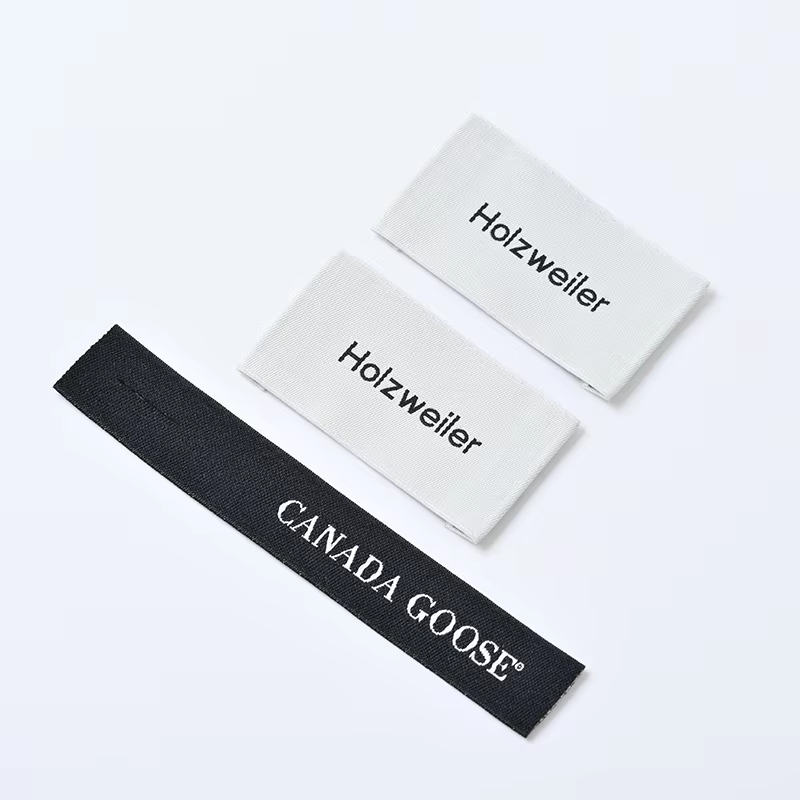
Choosing between woven garment labels, screen-printed garment fabric labels, and other garment label printing methods significantly impacts production budgets, brand perception, and long-term value. This cost analysis breaks down the financial pros and cons of each technique, helping brands make informed decisions while optimizing for SEO through strategic keyword integration.
1. Overview of Label Types
A. Woven Garment Labels
- Production: Threads interlaced on looms for durable, textured labels.
- Key Features: High durability, luxury appeal, long lead times (3 weeks).
B. Screen-Printed Garment Fabric Labels
- Production: Ink pressed through screens onto fabric tags.
- Key Features: Lower upfront costs, full-color designs, shorter turnaround (1–2 weeks).
C. Other Garment Label Printing Methods
- Digital Printing: On-demand, customizable, ideal for small batches.
- Heat Transfers: Cost-effective for simple designs on stretch fabrics.
2. Upfront Cost Comparison
| Cost Factor | Woven Garment Labels | Screen-Printed Labels |
|---|---|---|
| Setup Fees | 300–800 (loom setup) | 50–200 (screen creation) |
| Cost per Label (1k) | 0.30–0.60 | 0.10–0.25 |
| Minimum Order | 500–1,000 units | 100–500 units |
Source: Industry benchmarks (2024)
- Woven Labels: Higher initial costs due to loom setup and thread materials.
- Screen-Printed Labels: Lower per-unit costs but limited to simpler designs.
3. Long-Term Cost Considerations
A. Durability & Replacement Costs
- Woven Garment Labels: Survive 50+ washes without fading/fraying, reducing replacement needs.
- Screen-Printed Fabric Labels: Fade after 20–30 washes, requiring reprints.
- Savings: Brands using woven labels save 40% on replacements over 3 years (Textile World, 2023).
B. Labor & Inventory Costs
- Woven Labels: Pre-cut and hemmed, reducing sewing labor by 15%.
- Screen-Printed Labels: Often require manual trimming and adhesive application.
C. Waste Reduction
- Woven Labels: Precision weaving generates 10% less material waste vs. screen printing.
- Digital Garment Label Printing: Cuts waste by 30% with on-demand production.
4. Scenario-Based Cost Efficiency
A. Luxury/High-End Brands
- Best Choice: Woven garment labels with metallic threads.
- ROI: Justifies higher costs via premium pricing (e.g., 5–10 markup per item).
B. Fast Fashion/Seasonal Lines
- Best Choice: Screen-printed garment fabric labels.
- Savings: Reduces per-unit costs by 60% for short-lifecycle products.
C. Eco-Conscious Brands
- Best Choice: Digital garment label printing with water-based inks.
- Cost Impact: Adds 0.05–0.15 per label but attracts 72% of green-minded shoppers (Nielsen, 2024).
5. Hidden Costs to Watch
- Shipping Delays: Woven labels’ 3–5 week lead times may require costly expedited shipping.
- Design Changes: Screen printing charges 50–150 per new screen; woven labels need loom reprogramming ($200+).
- Compliance Fines: Illegible care instructions on garment fabric labels risk $10k+ penalties.
6. Case Study: H&M’s Hybrid Approach
H&M combines woven garment labels for brand logos (durability) with screen-printed care tags (cost efficiency), achieving:
- 25% lower total label costs vs. all labels.
- 15% fewer customer complaints about faded tags.
7. Future Cost Trends
- Automated Weaving: AI-driven looms cut label** production costs by 20% by 2025.
- Eco-Inks: Biodegradable screen-printing inks drop to 0.08–0.12 per label by 2026.
- Blockchain Tracking: Adds 0.03–0.10 per label but reduces counterfeit-related losses by 90%.
Conclusion: Balancing Budget and Brand Value
While woven garment labels entail higher upfront costs, their durability and premium appeal often justify the investment for luxury or long-lifecycle products. Conversely, screen-printed garment fabric labels and digital garment label printing offer agile, budget-friendly solutions for fast fashion or small batches.
As retail analyst Marshal Cohen advises, “Cost isn’t just a number—it’s the story your product tells.” Choose labels that align with your brand’s narrative and financial goals.
Garment Fabric Label Compliance: Global Printing Regulations
RFID Integration in Woven Garment Labels: Smart Fabric Tags